
7 Home Features Buyers Commonly Rethink After Moving In
Buying a home is one of the most exciting milestones in life. During the house-hunting process, certain features can feel absolutely irresistible — a sparkling backyard pool, soaring vaulted ceilings, or a chef-worthy kitchen loaded with high-end appliances. But once the moving boxes are unpacked and everyday life sets in, some of those dream features start to feel a little less magical.
Whether you're shopping for a home in Los Angeles, CA, browsing listings in Austin, TX, or relocating to a quieter suburb, understanding which home features buyers most commonly rethink can save you from costly surprises. Before you fall in love with that luxury upgrade, consider how it will hold up against maintenance demands, lifestyle shifts, and long-term resale value.
Here are seven home features that buyers frequently reconsider after moving in — and what to think about before signing on the dotted line.
1. In-Ground Swimming Pools
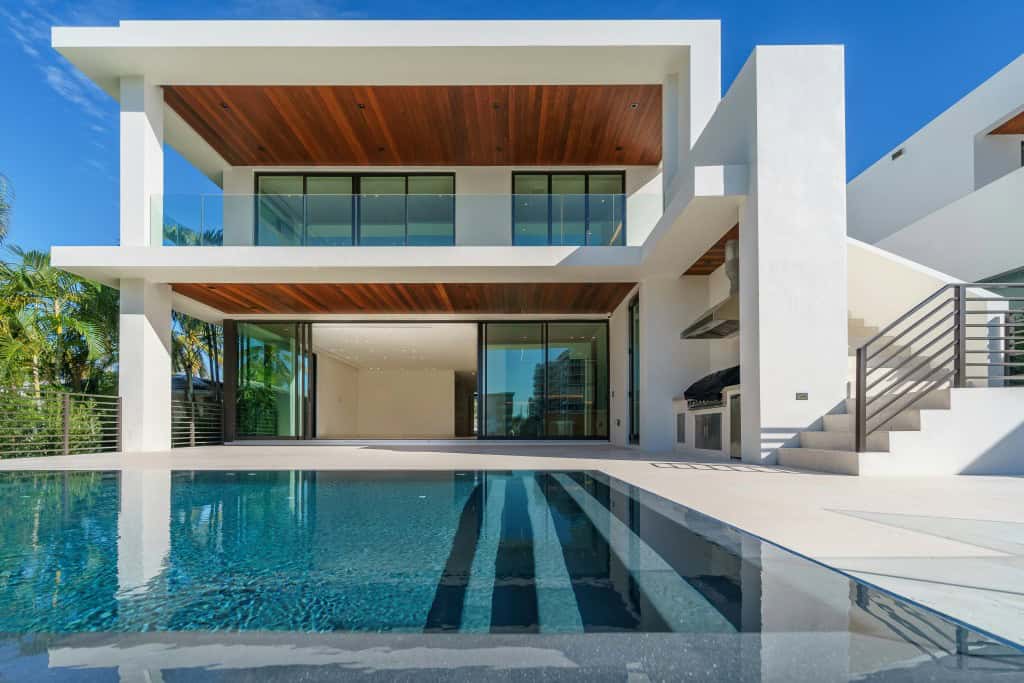
A backyard pool is the ultimate symbol of resort-style living, and it's easy to see why buyers get swept up in the appeal during a warm-weather showing. However, pool ownership comes with ongoing costs that many buyers underestimate. From chemical treatments and regular cleaning to pump repairs, resurfacing, and seasonal opening and closing fees, the annual maintenance bill for an in-ground pool can run several thousand dollars per year.
Beyond the financial side, pools also raise safety concerns — especially for families with young children or pets — and may require additional insurance coverage. In cooler climates, pools are usable for only a fraction of the year, making the cost-to-enjoyment ratio even harder to justify. Before purchasing a home with a pool, honestly assess how often you'll actually use it and whether you're prepared for the upkeep it demands.
2. Open Floor Plans
Open floor plans dominated home design trends for years, and they continue to appeal to buyers who love the idea of bright, connected living spaces. But after moving in, many homeowners discover some real drawbacks. Without walls to contain noise, sound from the kitchen, television, and conversations carries freely through the entire main level — a significant issue for remote workers, parents of young children, or anyone who values quiet zones.
Open layouts also make it harder to manage heating and cooling efficiently, and they can limit privacy when guests are over. If you're considering a home with a fully open floor plan, think carefully about your household's daily rhythms and whether the trade-offs work for your lifestyle.
3. High-End Kitchen Appliances
A gourmet kitchen stocked with professional-grade appliances can be a major selling point, but it comes with a catch: luxury appliances are expensive to repair and maintain. Commercial-style ranges, built-in espresso machines, and smart refrigerators with proprietary software can require specialized technicians and hard-to-find parts when something goes wrong — and something always eventually goes wrong.
If you're not an avid home cook, the premium cost of maintaining high-end kitchen equipment may far outweigh the benefits. Evaluate whether these appliances align with how you actually cook and entertain before letting them be a deciding factor in your purchase decision.
4. Vaulted and Double-Height Ceilings
There's no denying that dramatic vaulted ceilings make a striking first impression. They flood rooms with light and create an undeniable sense of grandeur. However, those soaring heights come with practical challenges. Heating and cooling a home with tall ceilings is significantly more expensive because warm air rises and cool air sinks, creating inefficiencies that show up clearly on your energy bills.
Simple tasks like changing lightbulbs, cleaning ceiling fans, or repainting become complicated — and potentially dangerous — projects requiring tall ladders or professional help. Acoustics can also be an issue, as large open spaces tend to echo. Vaulted ceilings are beautiful, but they're not without their costs.
5. Large, Elaborate Landscaping
A meticulously manicured yard with mature trees, tiered gardens, water features, and custom hardscaping looks stunning during a showing. But maintaining that level of landscaping is a serious time and financial commitment. Professional landscaping services, irrigation system upkeep, tree trimming, and seasonal plantings can add up quickly.
Buyers who don't have the time, budget, or inclination to keep up with elaborate outdoor spaces often find themselves stressed by the upkeep — or watching their curb appeal slowly deteriorate. Consider whether you want a showpiece yard or a manageable one before making your offer.
6. Bonus Rooms and Extra Square Footage
More space sounds universally appealing, but extra square footage comes with extra costs in the form of property taxes, heating and cooling, and general maintenance. Rooms that seem full of potential during a tour — a formal dining room, a finished basement, a bonus loft — can easily become underutilized spaces that simply collect clutter.
Think realistically about how you'll use every room in a home before deciding that bigger is always better. Paying for space you don't need is one of the most common and least-discussed regrets among new homeowners.
7. Whirlpool Tubs and Jetted Baths
Jetted soaking tubs look luxurious and spa-like, which is why they catch the eye in master bathroom listings. In practice, however, many homeowners find they rarely use them. Filling a large whirlpool tub uses a significant amount of hot water, the jets require regular cleaning to prevent mold and mildew buildup inside the pipes, and the tubs take up substantial floor space.
Many buyers eventually remove jetted tubs in favor of a larger shower or a simpler soaking tub. If you're not a frequent bath-taker, a jetted tub may add more maintenance hassle than relaxation to your daily life.
What to Consider Before You Buy
The key to avoiding buyer's remorse isn't avoiding upgrades altogether — it's being honest with yourself about how you actually live. Ask yourself the following questions as you evaluate any home feature:
- How often will I realistically use this feature on a weekly or monthly basis?
- What are the ongoing maintenance costs, and am I prepared to handle them?
- Will this feature add to or detract from the home's resale value in my market?
- Does this feature fit my current lifestyle, and will it still suit me in five to ten years?
- Am I emotionally drawn to this feature, or does it genuinely serve a practical purpose?
Taking a clear-eyed approach to home features — especially the ones that seem glamorous at first glance — can help you make a smarter, more satisfying purchase. The best home isn't necessarily the one with the most impressive amenities. It's the one that fits your life, your budget, and your long-term goals.
Whether you're a first-time buyer or a seasoned homeowner looking for your next property, keeping these commonly regretted features in mind will help you ask better questions, negotiate smarter, and ultimately move into a home you'll love for years to come.