
Home Sales Climb to Their Highest Point Since December
The U.S. housing market is showing renewed vitality. Sales of existing homes rose in May to their highest level since December, offering a welcome signal that the real estate sector may be turning a meaningful corner after a prolonged period of sluggish activity. According to the National Association of Realtors® (NAR), existing-home sales increased 3.2% both month over month and year over year, reaching a seasonally adjusted annual rate of 4.17 million. That number represents one of the strongest monthly figures recorded in the past three years.
Behind the headline numbers lies an even more encouraging story: first-time homebuyers are coming back. After years of being priced out by elevated mortgage rates and tight inventory, this critical segment of the market is reentering in force — and their return could set the tone for the housing market throughout the remainder of 2025.
What's Driving the Surge in Home Sales?
Several converging factors are fueling the uptick in existing-home sales, and together they paint a picture of gradual but real improvement in housing affordability and consumer confidence.
Improving Affordability
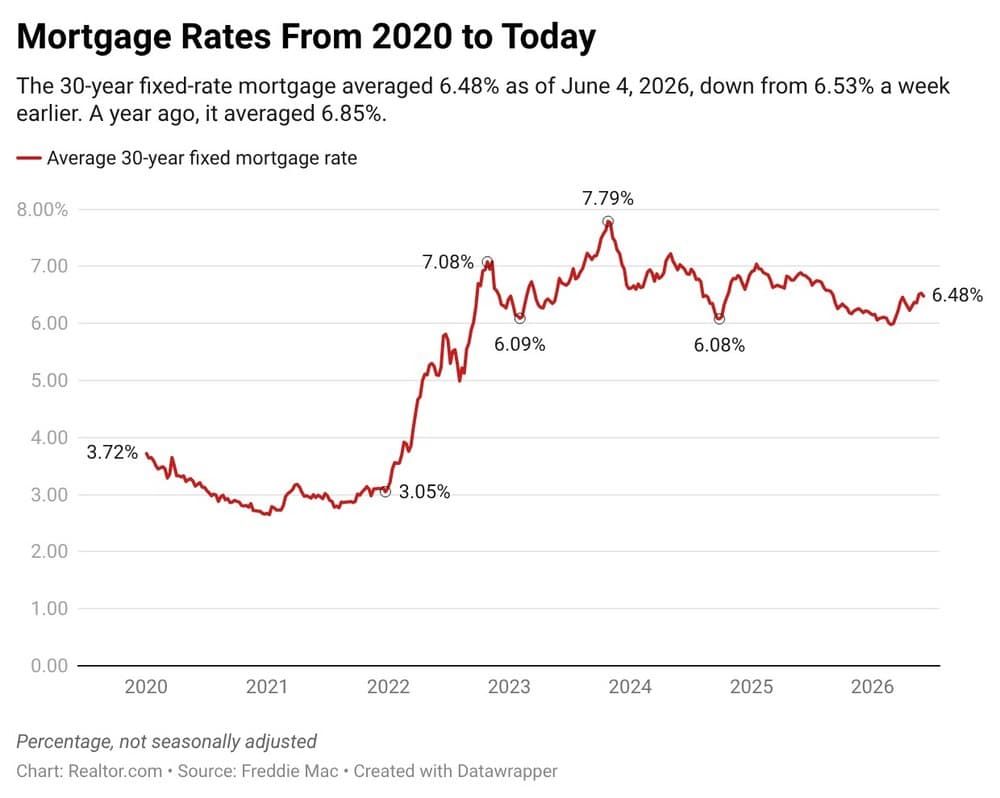
NAR Chief Economist Lawrence Yun pointed directly to affordability gains as a key driver of May's strong showing. "Improving affordability is helping drive this momentum. Even with mortgage rates ticking up compared to earlier in the year, they remain lower than a year ago and are essentially at the long-term historical average," he noted. For buyers who had been sitting on the sidelines waiting for conditions to improve, this combination of relatively stable rates and rising household incomes appears to have been enough to finally push them toward closing a deal.
While mortgage rates are not at the historic lows seen during the pandemic era, they have settled into a range that many economists consider manageable — particularly for buyers whose wages have grown meaningfully over the past two years. When income growth outpaces the marginal increase in monthly mortgage costs, affordability improves in real terms, and that dynamic appears to be playing out right now.
Rising Incomes Supporting Purchasing Power
Wage growth across many sectors has helped American households build stronger financial foundations. As incomes rise, the debt-to-income ratios that lenders scrutinize so closely become more favorable, making it easier for prospective buyers to qualify for mortgages. This trend has been especially impactful for younger buyers and first-time purchasers who previously struggled to meet qualification thresholds.
First-Time Buyers Reach a Nearly Six-Year High
Perhaps the most significant and telling detail in the May report is the surge in first-time homebuyer participation. According to the NAR, first-time buyers accounted for 35% of all transactions in May — the highest share in nearly six years. This is a landmark figure that deserves attention from anyone tracking the health of the housing market.
First-time buyers are often considered the foundation of a healthy real estate ecosystem. When they are active, they free up existing homeowners to move up or downsize, creating a chain of transactions that keeps inventory circulating. Their absence over the past few years — driven largely by skyrocketing prices and rapidly rising mortgage rates — contributed to the market gridlock that frustrated buyers and sellers alike.
Their return in May suggests that the affordability equation is shifting in ways that are beginning to make homeownership a realistic goal again for millions of Americans who had deferred the dream of owning a home.
Regional Breakdown: Where Are Sales Rising?
The May sales data showed broad-based improvement across most of the country, though results were not uniform in every region.
- Northeast: Sales rose compared to April but declined on a year-over-year basis, suggesting the region is still working through its own affordability and inventory challenges.
- Midwest: Sales picked up both monthly and annually, reflecting the region's relative affordability advantage compared to coastal markets.
- South: The South continued its role as one of the most active housing markets in the country, with sales increasing from April's figures.
- West: Sales were unchanged from April, a sign that the higher price points typical of Western markets continue to act as a barrier for some buyers despite broader affordability improvements.
The regional divergence underscores that while national trends are encouraging, local market dynamics still matter enormously. Buyers and sellers in higher-cost metros may need to wait longer before they feel the full benefit of the national tailwinds currently supporting home sales.
Single-Family Home Sales Rebound
Single-family home sales also rebounded from April's slower pace, reinforcing the broader positive trend reflected in the headline numbers. Single-family properties remain the most sought-after product type for first-time buyers and families, so their improvement is closely tied to the broader revival in entry-level demand. Stronger demand in this segment also sends an important signal to homebuilders, potentially encouraging further construction activity that could help ease the persistent inventory shortfall that has constrained the market for years.
What This Means for the Housing Market Going Forward
Lawrence Yun described the five-month high in closings as a signal of "strong momentum for both the housing market and the economy," noting that more Americans are on the move. That mobility matters beyond just real estate — it reflects broader economic confidence and a willingness to make long-term financial commitments.
If the conditions that drove May's gains hold steady — or improve further — the market could continue to build on this momentum heading into the second half of 2025. Key variables to watch include the trajectory of mortgage rates, the pace of new inventory coming to market, and whether wage growth continues to outpace housing cost increases.
For prospective first-time buyers still on the fence, May's data offers an encouraging message: the window of relative affordability may be open right now. Working with a qualified real estate agent and getting mortgage pre-approval early can help buyers position themselves to take advantage of current conditions before competition intensifies further.
Bottom Line
May's existing-home sales report is one of the most encouraging data points the housing market has produced in years. A 3.2% increase, a five-month high in overall sales, and a nearly six-year high in first-time buyer participation all point in the same direction: the housing market is healing, and more Americans are finding pathways to homeownership. While challenges remain — particularly in high-cost regions and for buyers navigating limited inventory — the overall trend is one of cautious but real optimism. For first-time buyers especially, the market may be offering an opening that did not exist just twelve months ago.