
When Art Meets Architecture: The New Standard in Luxury Real Estate
In the world of luxury real estate, first impressions are everything. A sweeping foyer, soaring ceilings, and designer furniture all contribute to the narrative a home tells its prospective buyer. But increasingly, one element has risen above the rest as both a visual anchor and a psychological trigger: fine art. What was once considered a personal flourish or a collector's indulgence has quietly become one of the most powerful tools in a luxury stager's arsenal.
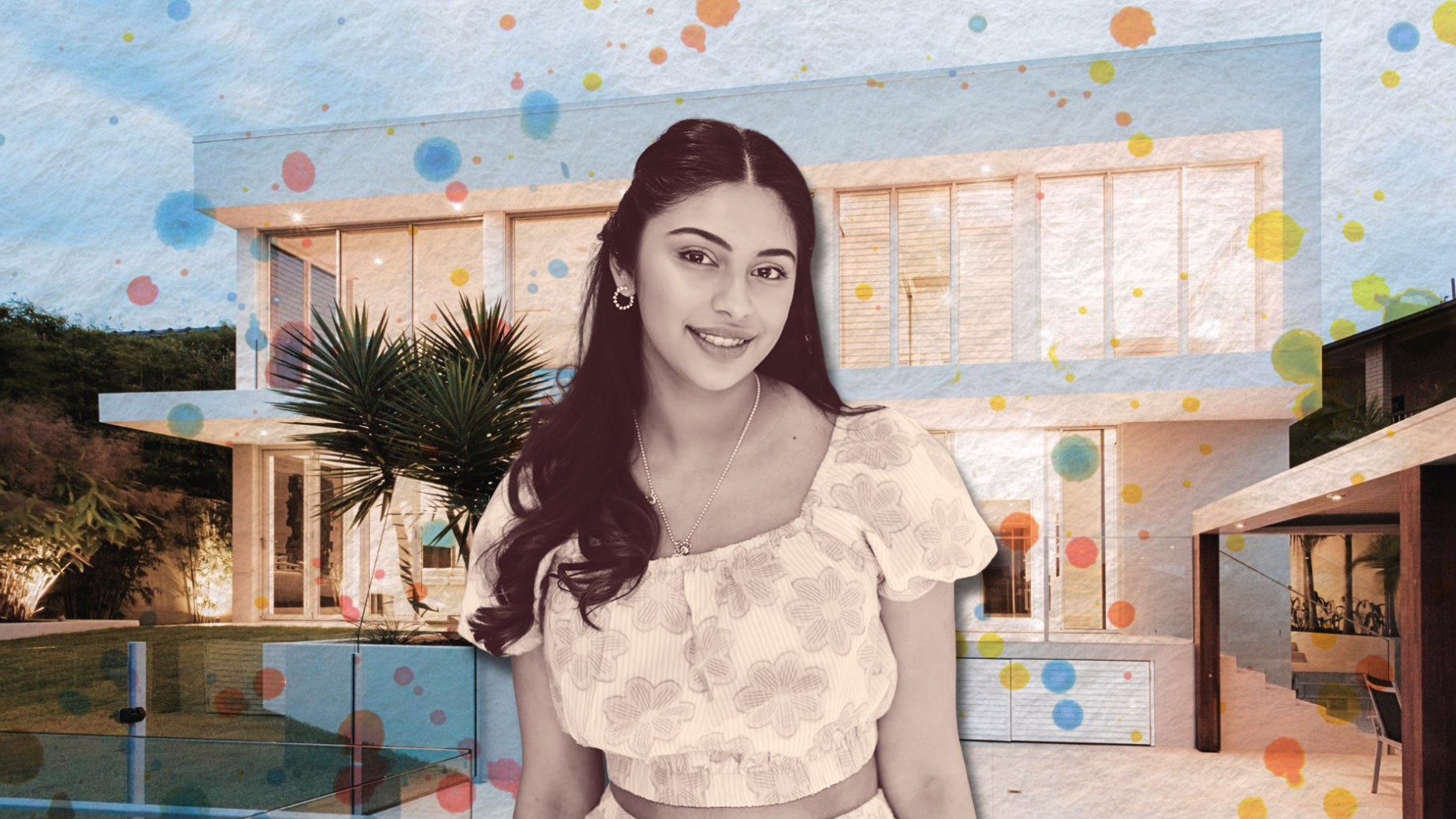
Arushi Kapoor of The Agency Art House has been at the forefront of this shift, championing the integration of original artwork into high-end property staging. Her approach reframes how agents, sellers, and buyers think about the relationship between art, space, and value — and the results speak for themselves.
Why Fine Art Works in Luxury Staging
Staging has always been about creating an emotional connection between a buyer and a home. When done well, it answers the unspoken question every buyer asks the moment they walk through the door: Can I see myself living here? Fine art accelerates and deepens that emotional response in ways that even the most thoughtfully curated furniture cannot.
Original artwork introduces a layer of authenticity and cultural sophistication that reproductions or prints simply cannot replicate. A well-placed canvas in a living room does not just fill a wall — it sets a tone, establishes a lifestyle, and signals to the buyer that they are standing in a space of genuine taste and discernment. For luxury buyers, who are often experienced collectors or culturally attuned individuals, this signal carries enormous weight.
Beyond aesthetics, fine art also creates conversational anchors during showings. When a buyer lingers in front of a painting, asks about the artist, or connects emotionally with a sculpture, an agent has an opening to deepen the engagement. These moments of genuine connection can transform a standard showing into a memorable experience — and memorable experiences drive decisions.
The Agency Art House Model: Bridging Real Estate and the Art World
The Agency Art House was established with precisely this intersection in mind. Rather than treating art as a staging afterthought — something brought in to fill blank walls — the program approaches it as a core component of the listing strategy from day one.
Arushi Kapoor and her team work directly with artists and collectors to source original pieces that are thoughtfully matched to specific properties. The process is consultative: the art is selected not just for visual appeal but for how it interacts with the architecture, the light, the target buyer demographic, and the overall story the property is meant to tell.
This curatorial approach distinguishes The Agency Art House model from generic staging companies that rotate generic artwork through a portfolio of homes. When art is chosen with intention, it elevates the entire presentation — and buyers feel that difference immediately, even if they cannot always articulate why.
How Fine Art Supports the Home Sale
The question agents and sellers most frequently ask is straightforward: does fine art actually help sell homes? The evidence, both anecdotal and emerging from market data, points strongly toward yes — particularly at the luxury end of the market.
- Perceived value increases: Homes staged with original fine art are consistently perceived as higher-value properties. The art signals investment, curation, and lifestyle, all of which justify premium pricing in the buyer's mind.
- Differentiation in a crowded market: In competitive luxury markets where multiple high-end listings compete for a limited pool of qualified buyers, distinctive staging is a meaningful competitive advantage. Fine art makes a listing memorable and share-worthy, increasing organic reach through word-of-mouth and social media.
- Faster time on market: Properties that create a strong emotional first impression tend to move faster. When buyers feel an immediate connection, they are less likely to hesitate, negotiate aggressively, or walk away entirely.
- Photography and marketing impact: Fine art photographs beautifully and adds visual depth to listing images, which are the first point of contact for most buyers. Striking listing photos generate more inquiries, more showings, and ultimately more offers.
Deepening Client Relationships Through Art
One of the less-discussed but equally important dimensions of integrating fine art into luxury staging is what it does for the agent-client relationship. Sellers of high-end properties are sophisticated individuals who expect white-glove service and a marketing strategy that matches the caliber of their asset. When an agent arrives not just with a staging plan but with a thoughtfully curated art program, it demonstrates a level of investment and expertise that builds immediate trust.
For buyers, the experience is equally enriching. An agent who can speak knowledgeably about the artwork in a property — its artist, its provenance, the intention behind its placement — positions themselves as a cultural guide, not just a transaction facilitator. This distinction matters enormously in the luxury segment, where buyers are not simply purchasing square footage; they are purchasing a vision of their lives.
Kapoor has noted that many of the relationships she and her colleagues at The Agency have built through art-integrated listings have extended well beyond the closing table. Clients return for future transactions, refer peers, and in some cases, purchase the art itself as part of the sale — creating an entirely new revenue dimension for the brokerage.
Practical Considerations for Agents and Stagers
For real estate professionals looking to incorporate fine art into their luxury staging approach, a few practical principles apply. First, partnership is essential: working with reputable galleries, art consultants, or programs like The Agency Art House ensures that the selection process is informed and appropriate. Randomly sourcing artwork without curatorial expertise risks misalignment between the art, the property, and the buyer.
Second, scale and placement matter enormously. Oversized works in intimate spaces or small pieces lost on large walls will undermine rather than enhance the staging. Art should feel native to the space, as though it has always belonged there.
Third, documentation adds value. Providing buyers with information about the artists featured in a home — brief bios, artist statements, provenance notes — transforms the art from decoration into narrative. It gives buyers something to carry with them after the showing, extending the emotional impact of the visit.
The Future of Art-Integrated Luxury Real Estate
As the luxury real estate market continues to evolve, the boundaries between lifestyle branding and property marketing will only continue to blur. Fine art is no longer a niche consideration for a handful of ultra-high-end listings — it is becoming a recognized best practice across the luxury segment as agents and sellers alike recognize its power to differentiate, persuade, and connect.
The Agency Art House's approach, as championed by Arushi Kapoor, offers a compelling blueprint: treat art not as an accessory but as a strategic asset, and both the sale and the relationship will benefit. In a market where emotion drives decisions and experience defines value, fine art is no longer optional — it is essential.