
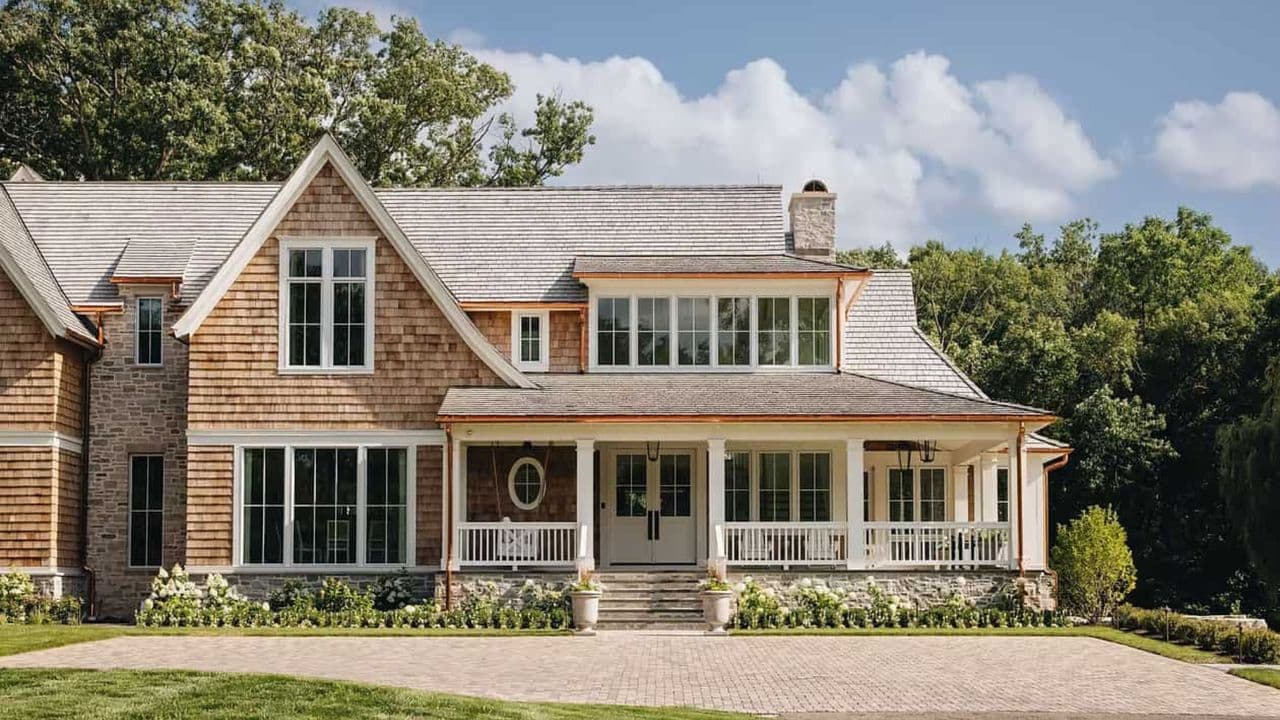
Why Your Front Door Is the Most Important Design Decision You'll Make
Your front door does more work than almost any other element of your home. It sets the tone before a guest steps inside, communicates your personal style to the entire neighborhood, and serves as your home's primary line of defense against intruders and the elements. Yet most homeowners spend months agonizing over kitchen countertops and minutes picking a front door. If you've ever walked up to a beautifully landscaped home only to be met by a tired, ill-fitting door, you'll understand exactly why getting this decision right matters so much. This guide walks you through everything a designer considers when helping a client choose the right front door — so you can make a confident, lasting choice.
Start With Your Home's Architectural Style
Before you fall in love with a door on a showroom floor or a Pinterest board, take a long, honest look at your home's architecture. The door you choose should feel like it belongs — not like it was imported from a different era or design tradition. A sleek, flat-panel door with brushed steel hardware looks stunning on a mid-century modern home but completely out of place on a Victorian or colonial. Conversely, a heavily paneled door with ornate brass hardware can feel fussy and dated on a contemporary build.
Common architectural styles and the doors that suit them best include:
- Traditional and Colonial: Six-panel wood or fiberglass doors with classic brass or oil-rubbed bronze hardware. Deep, rich colors like navy, black, or forest green work beautifully here.
- Craftsman: Doors featuring glass lites in the upper portion, strong horizontal lines, and warm wood tones or earthy paint colors. Mission-style hardware completes the look.
- Mid-Century Modern: Flat or minimally paneled doors, often with a pivot hinge, in bold solid colors or natural wood veneers. Matte black or brushed nickel hardware feels right at home.
- Contemporary and Minimalist: Flush doors, large glass inserts, or steel-framed glass doors. Clean lines and a monochromatic palette are key.
- Mediterranean or Spanish Revival: Arched or rounded tops, heavy wood doors, and wrought-iron hardware or decorative studs signal authenticity.
Choosing the Right Material
Once you know the style you're after, material becomes your next major decision. Each option has a distinct set of trade-offs between aesthetics, maintenance, durability, and cost.
Wood
Wood is the classic choice and, when properly maintained, genuinely beautiful. It can be stained to showcase natural grain or painted in virtually any color. The downside is that wood requires regular upkeep — sealing, painting, or refinishing every few years — and it can warp or crack when exposed to harsh weather. It's best suited to covered entryways or mild climates. Mahogany, oak, and fir are popular species for exterior doors.
Fiberglass
Fiberglass has become a designer favorite for a reason: it offers the look of wood without the maintenance headaches. High-quality fiberglass doors can be stained to mimic real wood grain convincingly. They resist denting, warping, and rust, and they perform well in extreme temperatures. For most homeowners, fiberglass strikes the best balance between aesthetics and practicality.
Steel
If security and energy efficiency are your top priorities, steel is worth serious consideration. Steel doors are strong, affordable, and excellent insulators. They can dent more easily than fiberglass and are susceptible to rust if the surface coating is scratched, but for homeowners in temperate climates looking for a reliable, cost-effective option, steel delivers solid value.
Aluminum and Glass
Aluminum-framed glass doors are a growing trend in contemporary design, flooding entryways with natural light and creating a seamless indoor-outdoor connection. They require thoughtful placement — direct west or south-facing exposure can lead to heat gain — but paired with low-E glass, they can be surprisingly energy efficient.
Size, Scale, and Proportion
A door that is too narrow or too short for its surround looks timid. A door that is oversized for a modest cottage looks absurd. Standard front doors are 80 inches tall and 36 inches wide, but taller ceilings and grander entryways often call for 8-foot or even 9-foot doors. Double doors, sidelights, and transoms can all be used to fill a large opening while adding visual interest. When in doubt, err slightly larger — a generously scaled door almost always reads as more welcoming and intentional.
Color: The Single Biggest Impact for the Least Investment
If there is one change that delivers the most dramatic curb appeal improvement for the smallest spend, it is repainting your front door. A bold, confident color — think classic black, deep burgundy, cobalt blue, or even a saturated terracotta — signals personality and care. Whatever color you choose, make sure it works in conversation with your siding, trim, and roof. A general rule: the darker the door color relative to the facade, the more grounded and sophisticated the entry feels.
Hardware, Locks, and Security
Hardware is the jewelry of your front door, and like jewelry, it should be consistent in finish across the door, sidelights, and porch fixtures. Beyond aesthetics, your lock and deadbolt choices directly affect home security. Look for deadbolts rated ANSI Grade 1, the highest residential security standard. Smart locks have become increasingly refined and reliable, offering keyless entry, remote access, and integration with home security systems without sacrificing the visual integrity of your entryway.
Energy Efficiency and Weatherproofing
Your front door is a significant point of heat transfer in your home's envelope. Look for doors with a low U-factor (indicating good insulation) and quality weatherstripping around all four sides. An adjustable threshold, compression seals, and a magnetic weatherstrip system will keep drafts, moisture, and noise at bay for years. Some fiberglass and steel doors come with polyurethane foam cores that dramatically outperform hollow wood doors on thermal performance.
Putting It All Together
Choosing the right front door comes down to a handful of clear, connected decisions: respect your home's architecture, choose a material that suits your climate and maintenance appetite, scale the door to fit the opening with confidence, commit to a color that makes a statement, invest in quality hardware, and don't overlook weatherproofing. When all of these elements align, your front door stops being a functional necessity and becomes the defining feature of your home — the first thing people notice, the last thing they remember, and the one detail that quietly tells the whole story of the house behind it.