
Why Hot Weather Home Design Matters More Than Ever
As summers grow longer and temperatures climb higher across the country, homeowners and buyers are rethinking what it truly means for a home to be comfortable. Whether you're buying a home in Phoenix, AZ, renovating in Las Vegas, or building new in a warm-weather market, designing a house that stays cool in hot weather is one of the smartest investments you can make. The goal isn't just comfort — it's also about reducing energy costs, lessening your environmental footprint, and creating a living space that works with the climate rather than against it.
The good news is that effective hot weather home design doesn't start and end with a powerful air conditioning unit. A well-designed home uses a combination of smart materials, strategic layouts, shading systems, and passive cooling techniques to keep indoor temperatures naturally lower — even on the hottest days of the year. Here's what you need to know.
Start with the Right Building Orientation
One of the most impactful decisions in hot weather home design happens before a single wall goes up: the orientation of the house on its lot. Homes that are positioned to minimize direct sun exposure on their longest walls can significantly reduce solar heat gain throughout the day.
In the Northern Hemisphere, orienting the home so that its longest axis runs east to west limits the amount of direct afternoon sun hitting the south-facing walls. Fewer windows on the west side of the home is also a common recommendation, since west-facing windows absorb intense late-afternoon heat that can dramatically raise indoor temperatures and put extra strain on cooling systems.
If you're purchasing an existing home rather than building new, understanding your home's orientation can still inform decisions about window treatments, exterior shading, and landscaping — all of which we'll cover below.
Choose Heat-Resistant Building Materials
The materials used to construct and finish a home play a major role in how much heat it absorbs and retains. In hot climates, the best materials are those that reflect solar radiation rather than absorb it, and that have high thermal mass or low thermal conductivity.
Roofing Materials
Your roof is the surface most exposed to direct sunlight, making roofing material choice especially critical. Cool roofs — made from reflective tiles, metal panels, or specially coated asphalt shingles — reflect more sunlight and absorb less heat than standard dark-colored roofs. According to the U.S. Department of Energy, cool roofs can reduce roof surface temperatures by up to 50°F compared to conventional dark roofing, which translates directly into lower indoor temperatures and reduced air conditioning costs.
Exterior Wall Materials
Thick masonry materials like adobe, brick, and concrete have high thermal mass, meaning they absorb heat slowly during the day and release it gradually at night. This is a principle that has been used in desert architecture for centuries. In contrast, light-colored exterior finishes and stucco reflect sunlight effectively in drier climates. Combining both strategies — thermal mass with a reflective exterior finish — offers some of the best passive cooling performance available.
Insulation
Proper insulation isn't just for cold climates. In hot weather, a well-insulated home acts as a thermal barrier that keeps cool air inside and hot air out. Pay particular attention to attic insulation, as the attic is a major source of heat transfer into living spaces during summer months. Spray foam and rigid foam insulation boards are among the highest-performing options for hot climates.
Prioritize Strategic Shading
Shading is one of the most cost-effective tools available in hot weather home design. By blocking direct sunlight before it ever reaches your windows and walls, you dramatically reduce the amount of heat that enters the home in the first place.
Overhangs and Eaves
Properly sized roof overhangs and eaves can block high-angle summer sun while still allowing lower-angle winter sun to enter and warm the home during cooler months. This passive design feature requires no energy and no maintenance, making it one of the most efficient shading strategies available.
Exterior Shading Devices
Pergolas, shade sails, exterior shutters, and motorized awnings are all popular additions to homes in hot climates. Unlike interior window treatments, exterior shading devices stop heat before it penetrates the glass, making them significantly more effective at reducing solar heat gain.
Strategic Landscaping
Trees and shrubs positioned on the south and west sides of a home can provide natural shading that lowers outdoor air temperatures around the house and reduces the heat absorbed by walls and windows. Deciduous trees are particularly smart choices because they provide dense shade in summer and drop their leaves in winter, allowing sunlight to warm the home when it's needed.
Optimize Windows and Glazing
Windows are among the biggest sources of heat gain in a home, but they're also opportunities for natural ventilation and passive cooling when designed thoughtfully. In hot climates, low-emissivity (low-e) double or triple-pane windows with a low solar heat gain coefficient (SHGC) are the gold standard. These windows are engineered to reduce the amount of infrared and ultraviolet radiation that passes through the glass without significantly reducing natural light.
Window placement also matters enormously. Operable windows positioned on opposite sides of a room or on different walls at varying heights allow cross-ventilation and stack-effect cooling — natural airflow strategies that can flush hot air out of the home during cooler evening hours without running the AC at all.
Design for Natural Ventilation and Airflow
Passive ventilation is one of the oldest and most effective strategies in hot weather home design. Open floor plans with few internal obstructions allow air to move freely through the home. High ceilings with ceiling fans help circulate air and push rising hot air away from occupants. Clerestory windows — high, horizontal windows placed near the roofline — allow hot air to escape at the top of a room while drawing cooler air in from lower openings.
Whole-house fans are another increasingly popular option. Installed in the ceiling, these powerful fans exhaust hot interior air into the attic and out through vents, rapidly cooling a home during cooler morning and evening hours at a fraction of the cost of running central air conditioning.
Upgrade Your Cooling Systems Smartly
Even the most passive-cooling-optimized home will likely benefit from some mechanical cooling in extreme heat. When choosing or upgrading HVAC systems, look for high SEER (Seasonal Energy Efficiency Ratio) ratings, which indicate greater energy efficiency. Ductless mini-split systems are a popular choice in hot climates because they allow for zoned cooling — meaning you only cool the rooms you're actively using, rather than the entire house.
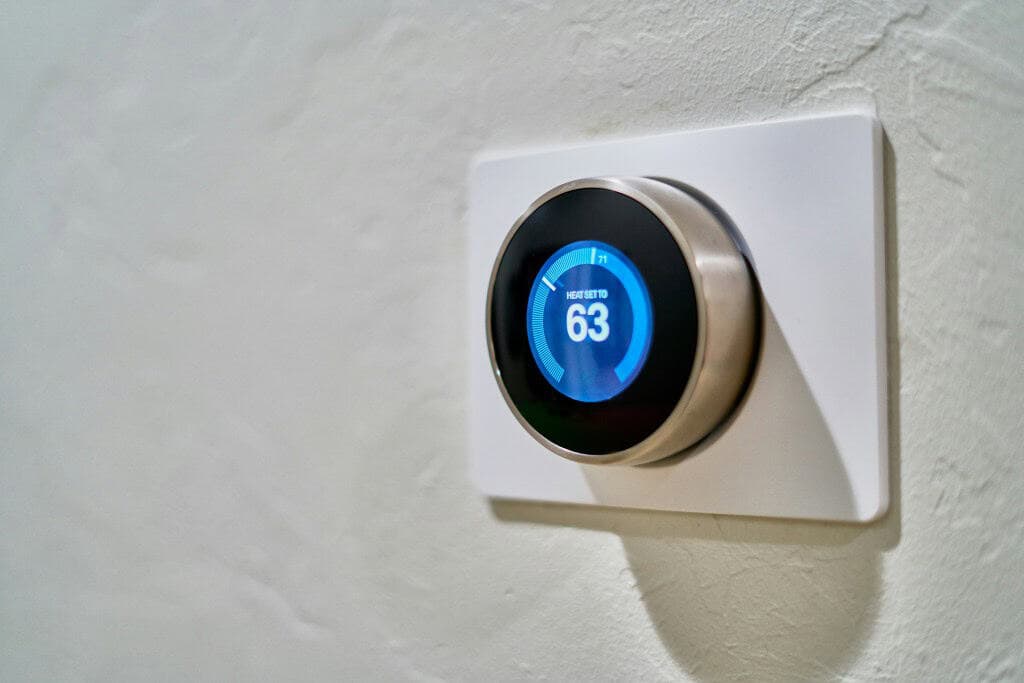
Smart thermostats that learn your schedule and adjust cooling automatically can also meaningfully reduce energy use without sacrificing comfort. Pairing a smart thermostat with time-of-use electricity pricing awareness can further cut cooling costs during peak summer months.
Think About Outdoor Living Spaces
In hot climates, outdoor spaces are an extension of the home — and designing them thoughtfully can make the entire property feel more livable during warm months. Covered patios, outdoor ceiling fans, misting systems, and heat-resistant hardscaping materials like light-colored pavers (which reflect rather than absorb heat) all contribute to a more comfortable outdoor environment that reduces the pressure on indoor cooling systems.
Bringing It All Together
Designing a home that stays cool in hot weather is ultimately about layering smart strategies rather than relying on any single solution. Thoughtful orientation, high-performance materials, strategic shading, optimized windows, natural ventilation, and efficient mechanical systems each contribute a piece of the puzzle. When these elements work together, the result is a home that stays comfortable year-round, costs less to operate, and holds its value in an increasingly heat-conscious real estate market. Whether you're building from scratch or retrofitting an existing property, even incremental improvements in any of these areas can make a meaningful difference in your home's comfort and efficiency during the hottest months of the year.