
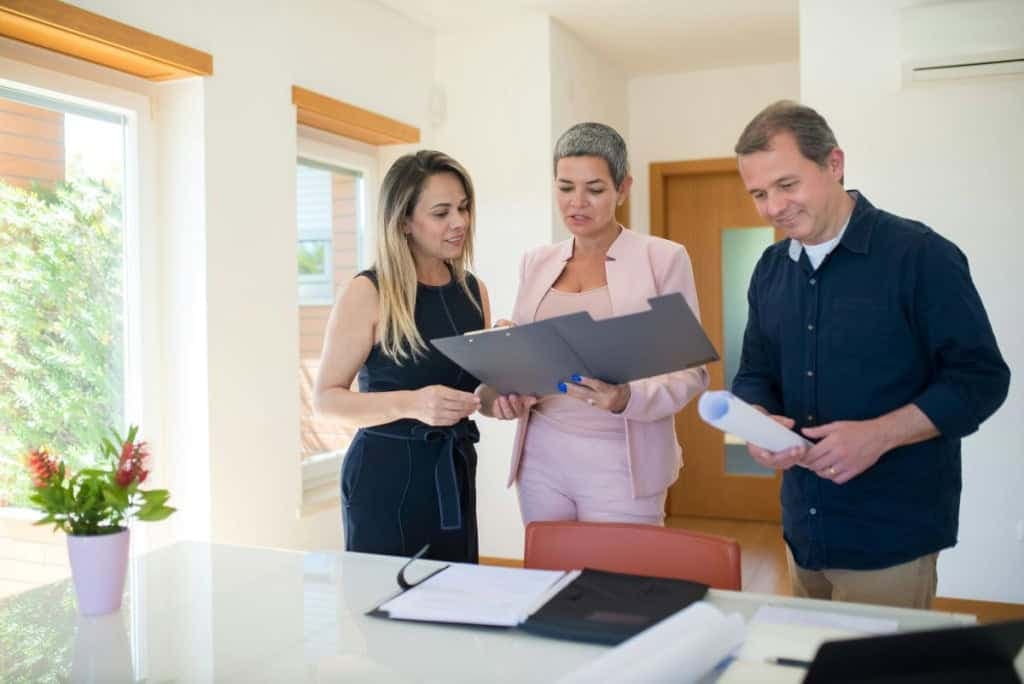
How To Negotiate the Price of a House: Smart Tactics For Today's Buyers
Buying a home is one of the biggest financial decisions most people will ever make, and in today's market, the good news is that buyers have more leverage than they have in years. With roughly 47% more sellers than active buyers and nearly one-third of all listings seeing price cuts, knowing how to negotiate the price of a house could save you tens of thousands of dollars. The key is walking into negotiations prepared, informed, and strategic.
This guide breaks down the most effective home price negotiation tactics you can use right now — whether you're making your first offer or pushing back after an inspection.
Why Today's Market Favors Buyers
The real estate landscape has shifted meaningfully over the past couple of years. After a period of frenzied bidding wars and waived contingencies, the pendulum has swung toward a more balanced — and in many areas, buyer-friendly — environment. Inventory is up, days on market are stretching longer, and motivated sellers are increasingly open to negotiation.
This doesn't mean every seller will slash their asking price, but it does mean you have room to ask. Understanding this dynamic is the first step in any successful real estate negotiation strategy. When you know the market is on your side, you can negotiate with confidence rather than anxiety.
Do Your Research Before Making an Offer
Effective negotiation starts long before you submit an offer. The more data you have, the stronger your position will be. Here's what to gather before sitting down at the negotiating table:
- Comparable sales (comps): Review recently sold homes in the neighborhood that are similar in size, condition, and features. If comparable homes are selling below the asking price, that's leverage.
- Days on market: A home that has been sitting for 60 or 90 days signals a motivated seller who may be willing to deal. Freshly listed homes are less likely to budge on price.
- Price history: Check whether the listing has already had price reductions. A home that has been reduced once is often open to further negotiation.
- Local market conditions: Is it a buyer's market or a seller's market in that specific ZIP code? Even in a broadly favorable environment for buyers, individual neighborhoods can behave differently.
Your real estate agent is an invaluable resource for pulling this data together and interpreting what it means for your negotiating position.
How To Make a Strategic Opening Offer
Your opening offer sets the tone for the entire negotiation. Come in too low and you risk offending the seller and killing the deal before it starts. Come in too high and you leave money on the table. The sweet spot is an offer that is competitive enough to be taken seriously but leaves room for movement.
A common approach is to start 5% to 10% below the asking price in a soft market, depending on what the comps support. Always anchor your offer in data — "we're offering X because comparable homes in this area have sold for Y" is far more persuasive than simply low-balling without justification.
You can also use your offer letter strategically. A personal, well-written letter to the seller explaining why you love the home can create an emotional connection that makes them more willing to work with you on price — though be mindful of fair housing considerations when crafting such letters.
Negotiate Beyond the Purchase Price
One of the most overlooked home price negotiation tactics is shifting the conversation away from the sticker price entirely. Many sellers are psychologically attached to their asking price — they've told their neighbors, their family, and themselves that their home is worth a certain number. Asking them to reduce that number can feel like a personal defeat.
What sellers are often more willing to do is offer concessions that reduce your out-of-pocket costs without changing the headline sale price. These can include:
- Closing cost assistance: Sellers can contribute toward your closing costs, which typically run 2% to 5% of the loan amount. This can put thousands of dollars back in your pocket.
- Mortgage rate buydowns: A seller-paid rate buydown can lower your interest rate for the first one to three years of your mortgage — or permanently — meaningfully reducing your monthly payment.
- Repair credits: Instead of asking the seller to fix issues found during inspection, request a credit at closing. This gives you cash to handle repairs on your own timeline and often gets more traction in negotiations.
- Home warranty coverage: Ask the seller to include a one-year home warranty, which can provide peace of mind and protect you from unexpected repair bills after move-in.
- Appliances or furnishings: In some cases, you can negotiate for the seller to leave behind appliances, outdoor furniture, or other items, which reduces your setup costs.
Use the Home Inspection as a Negotiating Tool
A professional home inspection is one of the most powerful leverage points in any real estate transaction. Once the inspection report comes back, you have documented evidence of the property's condition — and that evidence can justify renegotiating the price or requesting credits.
Focus your post-inspection negotiation on significant issues: roof problems, HVAC systems nearing end of life, plumbing or electrical concerns, foundation cracks, or water damage. Minor cosmetic issues are generally not worth fighting over and can make you appear unreasonable. Major structural or safety issues, however, are entirely fair game.
Frame your requests around the cost to remedy the issue rather than making general complaints. Presenting repair estimates from licensed contractors makes your ask concrete and harder to dismiss.
Know When To Walk Away
The most powerful negotiating position you can hold is genuine willingness to walk away. If a seller refuses to budge on price or concessions, and the numbers simply don't work for your budget or financial goals, walking away is sometimes the right call. In today's market, with plenty of inventory available, another suitable home is rarely far behind.
Setting a firm maximum purchase price before you begin negotiations — and sticking to it — protects you from getting caught up in the emotional momentum of a deal and overextending yourself financially.
Work With an Experienced Real Estate Agent
Navigating negotiations alone is possible, but working with a skilled buyer's agent gives you a meaningful advantage. A good agent brings local market knowledge, relationships with listing agents, and negotiation experience that can be the difference between a deal falling apart and closing successfully.
Your agent can help you craft a compelling offer, communicate professionally with the seller's side, interpret counteroffers, and advise you on when to push harder and when to compromise. They've seen hundreds of transactions and know what motivates sellers in ways that first-time buyers simply can't replicate.
Final Thoughts on Negotiating a Home Price
Knowing how to negotiate the price of a house is a skill that pays for itself many times over. In today's buyer-friendly market, the opportunity to negotiate is real — but success depends on preparation, strategy, and the ability to think creatively beyond the asking price. Research your comps, make data-backed offers, explore seller concessions, and lean on the expertise of a trusted real estate agent. With the right approach, you can close on a home you love at a price that works for you.