
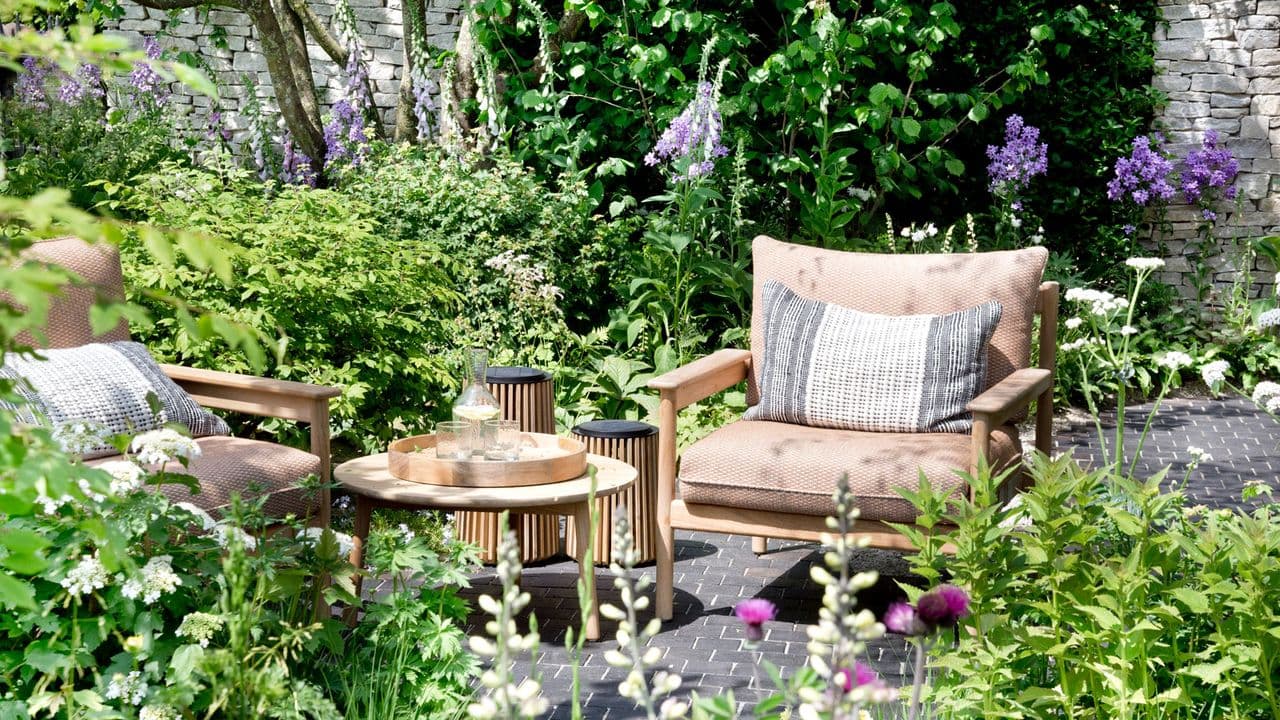
Why June Watering Sets the Stage for Your Entire Summer Garden
June is one of the most critical months in any gardener's calendar. The days are growing longer, temperatures are climbing, and your plants are working overtime to push out new growth and flowers. What you do with your watering routine right now will determine whether your garden thrives or struggles during the intense heat of July and August. Getting this month right is not just about quenching thirst — it is about building resilience into your plants from the roots up.
Whether you are tending to a backyard flower bed, a container patio garden, or a sprawling vegetable patch, understanding how plants respond to heat and moisture stress will give you a genuine edge. The good news is that with a few adjustments to when, how much, and how you water, you can keep your plants blooming beautifully all the way through the hottest days of summer.
Understanding How Heat Changes Your Plants' Water Needs
As June temperatures rise, plants lose moisture far more rapidly through a process called transpiration — essentially, they breathe water out through their leaves. On a hot, dry, or windy day, a flowering plant can lose significantly more moisture than it does during mild spring weather. This means that watering schedules that worked perfectly in April and May may leave your plants gasping by mid-June.
It is also worth understanding that not all plants have the same thirst. Annuals like petunias, impatiens, and zinnias tend to be thirsty bloomers that need consistent moisture to keep flowering. Perennials such as coneflowers and black-eyed Susans, once established, are somewhat more drought-tolerant. Container plants dry out fastest of all, sometimes needing water every single day when summer heat peaks. Knowing your plants' individual needs lets you water smarter, not just more.
The Best Time of Day to Water in June
Timing is everything when it comes to summer watering, and this is one of the most common places gardeners go wrong. The single best time to water your plants in June is early in the morning, ideally between 6 a.m. and 10 a.m. During these hours, temperatures are still relatively cool, wind is usually calm, and the sun has not yet reached its peak intensity. Water applied in the morning has time to soak deeply into the soil before heat causes evaporation, and foliage has all day to dry out, which reduces the risk of fungal diseases.
Watering in the middle of the day, while not as harmful as sometimes believed, is largely wasteful because a significant portion of the water evaporates before it reaches the roots. Evening watering is better than midday, but it leaves foliage wet overnight, creating ideal conditions for mold, mildew, and fungal infections — especially problematic for roses, tomatoes, and flowering annuals.
Deep Watering vs. Shallow Watering: Why It Matters
One of the most important principles for keeping plants blooming in summer heat is encouraging deep root growth. Deep roots allow plants to access moisture held lower in the soil, making them far more resilient when surface soil dries out quickly. The way to encourage deep roots is through deep, infrequent watering rather than light, frequent sprinkles.
A common mistake is giving plants a brief daily shower that only moistens the top inch or two of soil. This trains roots to stay shallow, right where heat and drought hit hardest. Instead, water thoroughly two to three times per week, allowing water to penetrate six to eight inches into the soil. You can check soil depth by pushing a wooden skewer or your finger into the ground after watering. If it comes out damp several inches down, you have watered correctly.
Mulching: Your Secret Weapon Against Summer Heat
No conversation about June watering would be complete without talking about mulch. A two to three inch layer of organic mulch — such as shredded bark, wood chips, straw, or compost — spread around the base of your plants can reduce soil moisture evaporation by up to 50 percent. That means your watering efforts go twice as far, and your plants experience far less stress between watering sessions.
Mulch also regulates soil temperature, keeping roots cooler during heat waves, and it gradually breaks down to improve soil structure. Apply mulch in early to mid-June before the really hot weather sets in, keeping it a few inches away from plant stems to prevent rot.
Watering Container Plants and Hanging Baskets in Summer
Container plants and hanging baskets face the toughest conditions in summer heat because their limited soil volume dries out quickly and roots have nowhere to escape the heat. In June and beyond, check containers daily by pressing your finger about an inch into the soil. If it feels dry, water thoroughly until it drains from the bottom of the pot.
- Use large containers where possible — they hold moisture longer than small pots.
- Group containers together to create a microclimate that retains humidity.
- Consider self-watering pots with reservoirs for consistent moisture delivery.
- Add water-retaining crystals to potting mix to reduce drying frequency.
- Move containers to partial shade during peak afternoon heat if blooms begin to wilt or fade prematurely.
Signs Your Plants Are Not Getting Enough Water
Even with the best intentions, it can be easy to miss early signs of water stress. Learning to read your plants will help you act before lasting damage is done. Wilting in the early morning, before the day heats up, is a reliable sign of underwatering — plants that wilt midday but recover by evening are usually just coping with heat stress and may not need additional water. Other signs of insufficient moisture include yellowing lower leaves, dry and crumbly soil, and flowers that drop prematurely or fail to open fully.
On the flip side, overwatering is also a real risk and is actually one of the more common causes of plant death in summer. Soggy soil, yellowing upper leaves, and a musty smell near the root zone all point to too much water. Always check soil moisture before watering rather than following a rigid schedule regardless of conditions.
Smart Irrigation Tools to Make June Watering Easier
If hand watering every day feels overwhelming, a few tools can make your June routine far more manageable. Drip irrigation systems deliver water directly to the root zone slowly and efficiently, dramatically reducing evaporation compared to overhead sprinklers. Soaker hoses work on a similar principle and are excellent for flower beds and vegetable rows. Both systems can be connected to a basic timer so watering happens automatically in the early morning even when you are not home.
For container gardens, watering wands with long handles allow you to deliver water gently and precisely to the base of plants without splashing foliage. A simple rain gauge placed in your garden also helps you factor in natural rainfall so you avoid overwatering after a storm.
Keep the Blooms Coming All Summer Long
Watering plants well in June is one of the most impactful investments you can make in your summer garden. By watering deeply and at the right time of day, mulching to lock in moisture, staying attentive to your containers, and using smart irrigation tools, you give your plants everything they need to push through the heat and keep producing the vibrant, abundant blooms you planted them for. A little consistency now pays off with a garden that rewards you all the way into September.