
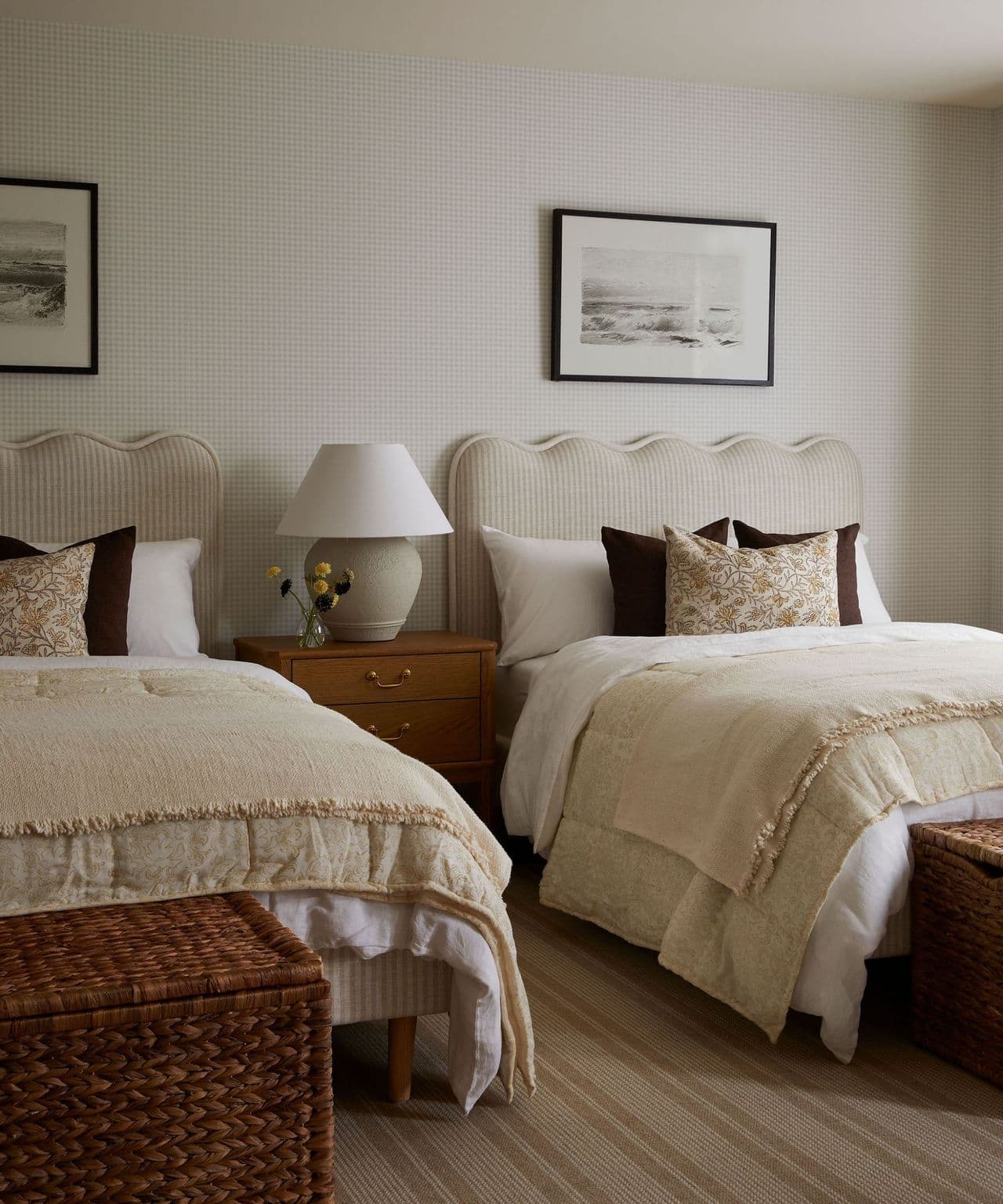
The Catalog Trap: Why Perfectly Matched Rooms Fall Flat
You've seen it before — and if you're honest, you may have lived it. The sofa, the coffee table, the side tables, the rug, and the throw pillows all come from the same store, the same collection, possibly the same page of the same catalog. Everything coordinates. Everything matches. And somehow, inexplicably, the room feels completely lifeless.
This is what interior designers quietly refer to as the catalog trap. It's the result of choosing comfort and convenience over creativity. It's safe, it's easy, and it produces spaces that look like a showroom floor rather than a home. The good news? Escaping it doesn't require a massive budget or a design degree. It requires a shift in philosophy — one that embraces contrast, history, and a willingness to mix what doesn't seem to belong together.
What Good Design Actually Looks Like
The rooms that stop you in your tracks — the ones you screenshot and save and reference years later — almost never come from a single source. They're layered. They have tension. There's an antique chest next to a sleek modern lamp. There's a designer accent chair beside a thrifted side table that's been painted twice. There's an expensive piece of art hung above a vintage console found at a flea market for thirty dollars.
Good design is fundamentally about curation, not coordination. It tells a story about the people who live in the space — their travels, their history, their taste, their humor. A perfectly matched room tells you nothing except that someone had a credit card and access to a big-box furniture website. A thoughtfully layered room tells you everything.
Mixing High With Low: The Designer Secret That Isn't a Secret Anymore
Professional interior designers have long understood that mixing price points is not a compromise — it's a strategy. Spending on a few anchor pieces while sourcing the rest affordably is how beautiful, livable rooms get made on realistic budgets. And beyond the practical benefits, the visual result is almost always more interesting.
When everything in a room costs the same and comes from the same place, the eye has nowhere interesting to go. But when an investment piece — say, a hand-knotted wool rug or a solid brass pendant light — sits alongside a secondhand dresser or mass-market bookshelves, both items elevate each other. The expensive piece looks intentional rather than flashy. The inexpensive piece looks chosen rather than cheap.
- Invest in items you touch every day: sofas, mattresses, dining chairs. These are worth spending more on for comfort and longevity.
- Save on items that are purely visual: decorative objects, trays, baskets, and most artwork.
- Mix materials deliberately — a velvet cushion against a linen sofa, a ceramic lamp on a raw wood table.
- Don't hide your affordable finds. Own them. A beautifully styled IKEA shelf is not a secret to be ashamed of.
Old With New: Why Your Home Needs Some History
There is a particular kind of soullessness that comes from furnishing an entire home with brand-new things. New things are wonderful, but they haven't lived yet. They don't carry the worn-in warmth of something that existed before you, that passed through other hands, that has a little damage and a lot of character.
Antiques, vintage furniture, inherited pieces, and secondhand finds introduce a quality that no amount of money can buy new: age. A mid-century sideboard brings proportion and craftsmanship that flat-pack furniture rarely achieves. A stack of old books adds texture and intellectual warmth. An inherited lamp, even an ugly one you've grown fond of, adds genuine personal history to a room.
The practical approach is to anchor each room with at least one older piece. It doesn't have to be priceless or even particularly beautiful on its own. What it does is ground the room in something real, something that existed outside of a product catalog or an algorithm-driven homepage recommendation.
Inexpensive With Expensive: Giving Your Budget Permission to Breathe
One of the most paralyzing myths in home design is that a beautiful home requires an enormous budget applied uniformly across every item. This is categorically false. Some of the most striking interiors in the world contain objects that cost almost nothing alongside objects that cost a great deal. The skill lies not in spending more, but in spending intentionally.
A single, genuinely beautiful piece — a handmade ceramic vase, an original painting from a local artist, a quality leather chair — can anchor an entire room filled with otherwise modest furnishings. It acts as the eye's destination, the point of arrival that justifies the journey across more neutral, understated elements. Without that focal point, a room of only inexpensive things can feel provisional. With it, the same room feels curated.
How to Break Free From the Catalog Look Starting Today
You don't need to redecorate your entire home. Start with a single room and introduce one element that breaks the pattern — something old, something handmade, something unexpected. Rearrange what you already have and see whether a different combination creates more life. Visit a thrift store before a furniture store. Hang something on the wall that means something to you, not just something that matches the paint color.
Design that feels alive is design that reflects a real person making real choices — not a consumer selecting coordinated options from a dropdown menu. The goal is not a perfect room. The goal is an honest one. And honest rooms, with their glorious mix of the old and new, the expensive and the found, the polished and the worn, are always more beautiful than anything on page 47 of any catalog.