
What Is the "Let It Bloom" June Trend?
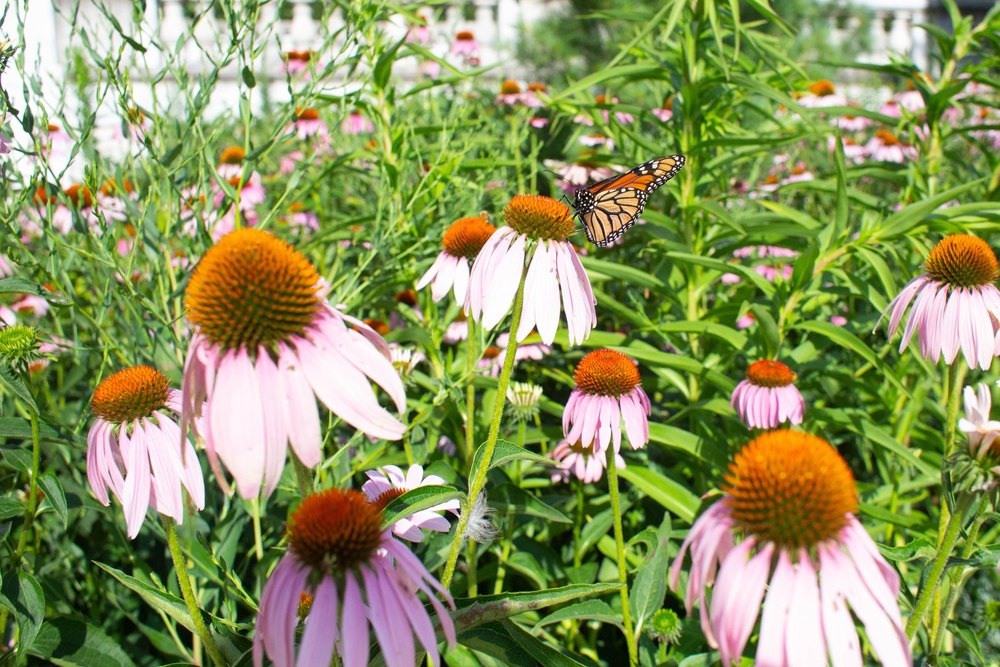
If you've scrolled through Instagram or TikTok recently, you've probably come across dreamy footage of overgrown yards bursting with wildflowers, native grasses swaying in the breeze, and bees buzzing happily from bloom to bloom. That's the essence of "Let It Bloom" June — a viral landscaping movement that encourages homeowners to put down their lawn mowers for the entire month of June and let nature take its course.
Instead of maintaining the traditional clean-cut, manicured lawn that has dominated suburban America for decades, this trend favors a wilder, more organic aesthetic. "Instead of clean-cut lawns and formal landscaping, this concept favors wilder, more organic appearances," says Jonathan Ayala, a licensed real estate agent and founder of Hudson Condos in Hoboken, NJ. The movement taps into a growing cultural appetite for sustainability, biodiversity, and eco-conscious living — and on camera, the results can look genuinely stunning.
But before you put away your mower and let the dandelions reign, there are some important things to consider — especially if you plan to sell your home anytime soon.
Why "Let It Bloom" June Is Gaining Momentum
The appeal of this trend goes well beyond aesthetics. At its core, "Let It Bloom" June is rooted in ecological intention. Traditional lawns, typically made up of non-native grasses like Kentucky bluegrass, require enormous amounts of water, fertilizer, and pesticides to maintain. These resource-intensive yards contribute to water waste and chemical runoff — two growing concerns in an era of climate uncertainty.
In contrast, wildflowers, native grasses, and pollinator-friendly plants are adapted to local conditions. They require far less water, thrive without synthetic chemicals, and create thriving micro-ecosystems that support bees, butterflies, moths, and certain bird species. With water bills skyrocketing across the country and drought conditions already impacting multiple regions in 2026, the financial and environmental logic behind low-maintenance native landscaping is hard to argue with.
Social media has supercharged the movement. Vibrant, colorful yard transformations earn millions of views, and the hashtag community around the trend has made it feel accessible and aspirational. For eco-conscious homeowners, it also carries a sense of purpose — a small, personal act of environmental stewardship that's both beautiful and beneficial.
The Hidden Downsides No One Is Talking About
Despite the trend's feel-good optics and genuine environmental benefits, there are significant practical drawbacks that many social media posts conveniently leave out of frame.
1. It Can Seriously Hurt Your Curb Appeal
Curb appeal is one of the most critical factors in a home's perceived value, and first impressions are formed within seconds of pulling up to a property. While a wildflower meadow might photograph beautifully, an unkempt, overgrown yard can read very differently to prospective buyers, neighbors, or even appraisers in person. What looks artistic in a curated Instagram post can appear neglected and abandoned in real life — particularly mid-summer when certain plants become tall, patchy, or dry.
2. HOA Rules and Local Ordinances May Apply
Many neighborhoods and homeowners associations have strict rules about lawn maintenance and yard height. Letting your grass and weeds grow unchecked could result in fines, citations, or formal complaints — regardless of your environmental intentions. Before embracing "Let It Bloom" June, check your local municipal codes and HOA guidelines carefully. Some areas specifically prohibit grass above a certain height, and ignorance of these rules is rarely accepted as an excuse.
3. The Impact on Home Resale Value Can Be Significant
Real estate professionals consistently emphasize that landscaping is one of the most powerful tools for boosting — or diminishing — a home's sale price. A well-maintained yard can add meaningful value to a property, while a visibly neglected exterior can shave thousands of dollars off the final sale price before a buyer even steps inside. If you're listing your home this summer, embracing a fully wild lawn is a gamble that rarely pays off in competitive markets.
4. Pest and Weed Management Becomes Much Harder
Letting your yard grow unchecked doesn't just invite pollinators — it also creates ideal conditions for invasive weeds, ticks, mosquitoes, and other pests. Dense, unmowed vegetation provides shelter for ticks, which are a genuine health concern across much of the United States. Reclaiming a yard that has gone fully wild after a season of neglect can also be significantly more expensive and labor-intensive than regular maintenance would have been.
How to Get the Benefits Without the Drawbacks
The good news is that you don't have to choose between eco-friendly landscaping and a yard that looks intentional and well-kept. There is a middle path that captures the spirit of "Let It Bloom" June without the risks.
- Designate a wildflower section: Rather than letting your entire lawn go wild, create a clearly defined pollinator garden bed in one part of your yard. Defined borders communicate intention, not neglect.
- Choose native plants strategically: Work with a local nursery to identify native plants that look attractive, require minimal water, and support local wildlife. Structured planting of natives reads as intentional landscaping, not abandonment.
- Maintain visible borders and edges: Even in a naturalistic yard, clean edging along walkways, driveways, and property lines signals that the space is cared for. This one simple step dramatically improves the perception of an otherwise informal landscape.
- Add signage if you go all in: Some homeowners who fully embrace native or wildflower lawns post small signs explaining the eco-friendly purpose of their yard. This reframes the appearance for neighbors and passersby and has been shown to reduce complaints.
- Consult a professional landscaper: A landscape designer familiar with native plantings can create a yard that is genuinely ecological and visually polished — proving that sustainability and beauty are not mutually exclusive.
The Bottom Line
The "Let It Bloom" June trend comes from a good place. Reducing chemical use, conserving water, and supporting pollinators are all genuinely worthwhile goals, and the broader shift toward native, low-maintenance landscaping is one of the better trends to emerge in recent years. However, the all-or-nothing version of the trend — simply stopping all lawn care for a month and hoping for the best — carries real risks for homeowners, particularly those in regulated communities or those considering a home sale.
The smartest approach is a thoughtful one. Take the ecological principles at the heart of "Let It Bloom" June seriously, but apply them with intention, planning, and an eye toward how your yard presents to the world. Your local pollinators — and your home's resale value — will both thank you for it.