
Australians Warned as Lithium Batteries Fuel a Surge in House Fires This Winter
As temperatures drop across Australia and households increasingly rely on electrical devices to stay warm and connected, fire authorities are sounding the alarm over a dangerous and growing threat hiding in plain sight. Lithium batteries — found in everything from e-bikes and power tools to smartphones and portable chargers — are being directly linked to a sharp rise in residential fires. The warning comes at a critical time, with winter conditions creating the perfect storm for fire risk inside the home.
Authorities are urging every Australian household to take this threat seriously, as the consequences of ignoring the risks can be devastating — and in some cases, fatal.
The Sydney Garbage Truck Incident That Sparked National Concern
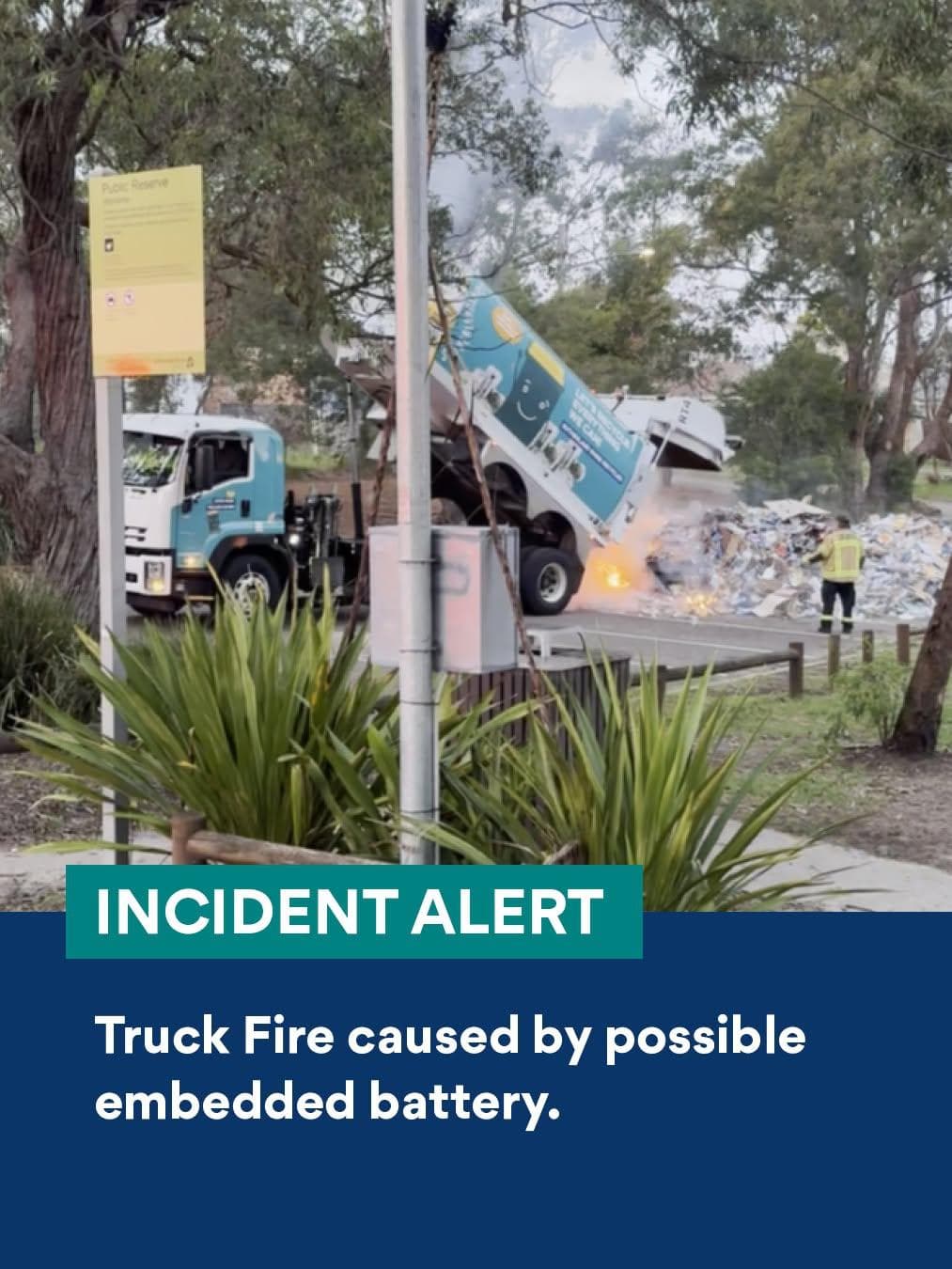
The urgency behind this warning was highlighted dramatically in Sydney's south recently, when a garbage truck was forced to make an emergency stop and dump its entire load in a local car park after a crushed lithium battery reportedly ignited a blaze mid-route. Fire and Rescue NSW quickly arrived on the scene and extinguished the flames, with Sutherland Shire Council later confirming that no injuries were sustained and the site was declared safe.
While the outcome was fortunately contained, the incident served as a stark reminder of just how volatile lithium batteries can be — even when they are considered waste and no longer in active use. The fact that this fire erupted inside a garbage truck underscores a broader concern: these batteries are everywhere, and the risks don't disappear simply because a device is old, damaged, or discarded.
Why Lithium Batteries Are So Dangerous
Lithium-ion batteries power a vast range of modern devices precisely because they are energy-dense and rechargeable. However, these same qualities make them inherently risky when they are damaged, improperly charged, stored incorrectly, or reach the end of their serviceable life.
A process known as thermal runaway is at the heart of most lithium battery fires. This occurs when a battery cell overheats, triggering a self-sustaining chain reaction that rapidly generates more heat than the battery can release. The result is an intense, fast-spreading fire that can be extremely difficult to extinguish with conventional methods and can reignite hours after it appears to be out.
Common triggers for thermal runaway include:
- Physical damage to the battery, such as crushing, puncturing, or dropping a device
- Overcharging or using an incompatible charger
- Exposure to extreme heat, including direct sunlight or storage near appliances
- Manufacturing defects in lower-quality or counterfeit batteries
- Age-related degradation in older batteries that are still being used or charged
Which Household Items Pose the Greatest Risk?
The list of everyday items powered by lithium batteries has grown significantly over the past decade, meaning the potential fire hazards inside the average Australian home have multiplied accordingly. Fire investigators and safety authorities consistently highlight several categories of devices that account for a disproportionate share of battery-related fires.
E-Bikes and Electric Scooters
The rapid uptake of e-bikes and electric scooters across Australian cities has been accompanied by a troubling increase in serious fires. These vehicles contain large, high-capacity lithium battery packs that store enormous amounts of energy. When these batteries fail — particularly cheap or uncertified models — the resulting fires can engulf an entire room within minutes. Charging these devices indoors overnight, especially in hallways or near exits, significantly increases both fire risk and the danger of being trapped.
Power Banks and Portable Chargers
Compact and convenient, portable chargers are found in almost every Australian home. However, cheap, unbranded, or heavily used power banks are among the most commonly reported sources of small but rapidly escalating fires. Leaving them plugged in on soft surfaces such as beds, couches, or carpets can prevent heat from dissipating and dramatically increase the risk of ignition.
Laptops, Tablets, and Smartphones
While generally well-regulated, older devices with swollen or degraded batteries present a genuine risk. A battery that visibly bulges is a serious warning sign that should not be ignored. Continuing to charge or use such a device can result in a fire, particularly if the device is left unattended or placed on flammable surfaces.
Power Tools and Garden Equipment
Cordless drills, lawn mowers, and other battery-powered tools are increasingly common in Australian garages and sheds. Storing damaged or depleted batteries loosely alongside metal tools or other conductive materials can cause short circuits, which are a leading cause of battery fires in storage areas.
Essential Fire Safety Tips for Australian Households This Winter
The good news is that most lithium battery fires are preventable with informed, consistent habits. Fire safety experts recommend the following measures to significantly reduce your household's risk:
- Only use chargers and cables supplied by the device manufacturer or a certified replacement. Cheap, uncertified chargers are a leading cause of overcharging and battery failure.
- Never charge lithium-powered devices overnight or leave them unattended while charging, particularly e-bikes, scooters, or large battery packs.
- Charge devices on hard, flat, non-flammable surfaces — never on beds, sofas, or carpet.
- Inspect batteries regularly. A swollen, cracked, leaking, or unusually hot battery should be removed from service immediately and disposed of safely at a certified e-waste facility.
- Store lithium batteries in a cool, dry location, away from direct sunlight and heat sources.
- Never dispose of lithium batteries in household recycling bins or general waste — this is what caused the Sydney garbage truck fire. Use designated battery recycling drop-off points, which are available at many hardware stores and council facilities.
- Install working smoke alarms on every level of your home and test them monthly. Ensure your household has a clear and practised fire escape plan.
What to Do If a Lithium Battery Catches Fire
If a lithium battery fire starts in your home, your personal safety must come first. Do not attempt to move a burning device or battery, as this can spread the fire or cause serious burns. Evacuate the building immediately, closing doors behind you to contain the spread of flames and smoke. Call 000 and wait for fire services to arrive. Lithium fires burn at extremely high temperatures and can reignite unexpectedly — they require specialist intervention and should never be tackled with a standard household fire extinguisher or water alone.
Stay Informed, Stay Safe This Winter
The surge in lithium battery-related fires is not a distant or unlikely threat — it is happening in Australian homes, garages, and streets right now, and the risk is rising with winter demand for electrical devices. By understanding which items pose the greatest danger and following straightforward safety practices, households can dramatically reduce their exposure to this growing hazard. Take the time to audit your home, replace damaged devices, and ensure your family knows exactly what to do if a fire breaks out. In an emergency, preparedness saves lives.