
Australians Warned as Lithium Batteries Drive Surge in Household Fires This Winter
Australians are being urged to exercise extreme caution in their own homes this winter, as fire authorities across the country raise the alarm over a sharp and troubling rise in household fires. The culprit? Everyday electrical items — and in particular, the lithium-ion batteries found in dozens of common devices most of us use without a second thought. As temperatures drop and energy usage climbs, experts warn the danger is intensifying at exactly the wrong time of year.
A Danger Hidden in Plain Sight
Lithium-ion batteries are everywhere. They power our smartphones, laptops, e-scooters, electric bicycles, power tools, and rechargeable household appliances. For most people, these compact, efficient power sources are simply a fact of modern life. But fire authorities are now sounding a clear and urgent warning: when these batteries are damaged, incorrectly charged, stored improperly, or simply reach the end of their lifespan, they can become a serious and potentially deadly fire hazard.
The risk isn't theoretical. Across Australia, fire and rescue services are responding to an increasing number of incidents directly linked to lithium battery failures, and the trend is accelerating heading into the colder months when people spend more time indoors and rely more heavily on their electrical devices.
Sydney Garbage Truck Incident Highlights the Scale of the Problem
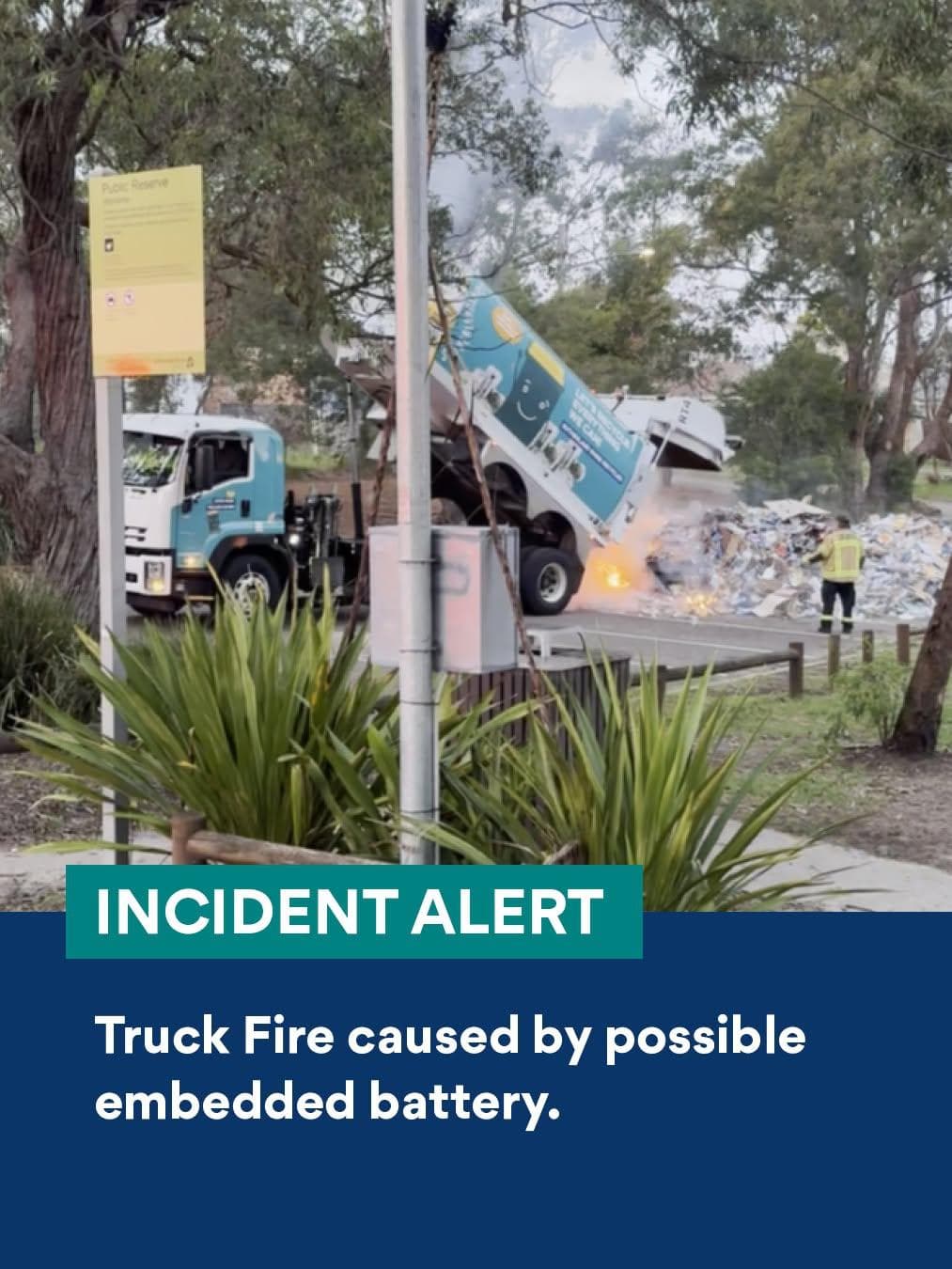
The severity of the issue was brought into sharp focus recently in Sydney's south, where a garbage truck was forced to make an emergency stop and dump its entire load in a local car park after a crushed lithium battery reportedly ignited mid-route. The fire broke out during a routine collection run, turning an ordinary Monday morning into a dangerous situation in moments.
Fire and Rescue NSW responded quickly, extinguishing the blaze before it could spread further. Fortunately, no injuries were reported, and Sutherland Shire Council confirmed the site was later declared safe. But the incident serves as a stark reminder of just how unpredictably and rapidly lithium battery fires can develop — and how they don't only pose a risk inside the home.
When lithium batteries are crushed, punctured, or subjected to extreme pressure — as they commonly are inside a compacting garbage truck — they can undergo a process called thermal runaway. This is a chain reaction in which the battery rapidly overheats, releasing flammable gases that can ignite in an instant. The fires that result burn extremely hot, are notoriously difficult to extinguish, and can reignite hours after appearing to be fully put out.
Why Winter Increases the Risk
The timing of this warning is no coincidence. Winter months create a perfect storm of conditions that increase the likelihood of electrical fires in Australian homes. People charge devices more frequently indoors, use heating appliances and electric blankets for extended periods, and are far less likely to notice warning signs like unusual smells or slight overheating when they're buried under blankets or moving quickly through cold rooms.
Authorities note that the risk is compounded by the age of some devices and batteries in circulation. Older lithium batteries that have been through hundreds of charge cycles are significantly more prone to failure, yet many Australians continue using them without realising the potential danger they represent.
Common Items That Pose a Fire Risk
Fire safety experts have identified a range of everyday household items that can present a lithium battery fire hazard if not properly maintained, charged, or disposed of. These include:
- E-scooters and electric bicycles: Among the highest-risk items, particularly when charged overnight or left plugged in unattended for long periods.
- Smartphones and tablets: Especially older models or devices with visibly swollen, cracked, or degraded batteries.
- Laptops: Frequently left charging on soft surfaces like beds or sofas, which can trap heat and accelerate battery degradation.
- Power tools: Cordless drills, sanders, and other tools with rechargeable battery packs that may be stored in garages or sheds exposed to temperature extremes.
- Electric blankets and portable heaters: While not always lithium-powered, these items are frequent winter fire hazards due to overheating and frayed wiring.
- Hoverboards and ride-on toys: Particularly those purchased from unverified sellers or online marketplaces where safety certification may not meet Australian standards.
How to Reduce Your Risk at Home
The good news is that with some straightforward precautions, Australians can significantly reduce their exposure to lithium battery fire risks. Fire authorities recommend the following steps to keep your household safe:
- Only use the charger that came with your device, or a reputable replacement that meets Australian safety standards.
- Never charge devices overnight or leave them charging unattended for extended periods.
- Do not charge or store lithium-powered devices near flammable materials, in direct sunlight, or in areas with poor ventilation.
- Inspect batteries regularly for signs of swelling, cracking, discolouration, or unusual heat during use.
- Replace batteries that show any signs of damage — do not attempt to repair them yourself.
- Install working smoke alarms on every level of your home and test them monthly.
- Never dispose of lithium batteries in your general household rubbish or recycling bin. Take them to a designated battery recycling point or your local council's hazardous waste collection service.
Disposing of Lithium Batteries Safely
The Sydney garbage truck incident also highlights a critically important but frequently overlooked issue: lithium batteries should never be placed in household bins. When these batteries end up in compactor trucks and are crushed alongside other waste, the risk of fire is significant — and the consequences can affect not just the individuals involved, but entire neighbourhoods and waste management workers going about their daily jobs.
Most major supermarkets, electronics retailers, and council facilities across Australia now offer battery recycling drop-off points. Using these services isn't just responsible — it's an essential safety measure that helps protect the wider community.
Stay Alert and Stay Safe This Winter
As Australia heads deeper into winter, fire authorities are urging every household to take a few minutes to assess their electrical devices, check the condition of batteries in everyday items, and review safe charging practices. The rise in lithium battery-related fires is a serious and growing trend, but it is one that informed and cautious Australians can actively work to counter.
A few simple habits — charging devices during daylight hours, keeping smoke alarms functional, and disposing of batteries correctly — could make all the difference between a safe winter at home and a devastating emergency. The warning is clear: don't wait until it's too late to take this threat seriously.