
Why the Longevity Movement Is Changing the Real Estate Landscape
Something quiet but powerful is happening in the way Americans think about their homes. Buyers are no longer simply scanning listings for square footage, updated kitchens, or proximity to good schools. Increasingly, they are asking a different kind of question: Does this home support the life I want to live for the next 30, 40, or even 50 years? The answer, more often than not, starts in the backyard.
The longevity movement — driven by research into Blue Zones, the habits of centenarians, and a growing cultural obsession with healthspan rather than just lifespan — is quietly but measurably reshaping buyer priorities. For real estate professionals, understanding this shift isn't optional anymore. It's a competitive advantage that separates agents who close deals from those who merely show homes.
What Centenarians Have to Do with Curb Appeal
Studies of the world's longest-lived populations consistently reveal one powerful commonality: regular, low-intensity physical movement woven naturally into daily life. Unlike gym memberships or structured workout routines, the movement that seems to add decades to a life is the kind that happens organically — walking to a neighbor's house, tending a garden, caring for outdoor spaces.
Gardening and lawn care, in particular, have emerged as flagship longevity habits. They require sustained moderate movement, deliver measurable stress reduction, and provide a sense of purpose and connection to nature that researchers link to improved mental and physical health outcomes. When buyers who are deeply aware of this research walk through a property, they are not just looking at the yard. They are mentally running through how that space will serve their daily movement habits, their stress relief rituals, and their social lives for decades to come.
This reframing of outdoor space — from aesthetic feature to health infrastructure — is one of the most significant and underreported shifts currently playing out in residential real estate.
The 217 Percent ROI on Lawn Care: What the Numbers Actually Mean
Real estate industry data has long supported the idea that curb appeal matters. But recent analysis puts a sharper point on just how much it matters. Lawn care and landscaping improvements have been shown to deliver a return on investment of as much as 217 percent, making them among the highest-ROI home improvement categories available to sellers.
To put that in perspective, a homeowner who spends $3,000 on professional landscaping, sod installation, and lawn maintenance before listing could realistically recover over $9,000 of that investment in their final sale price — and often more when the improvement accelerates the timeline to sale. In a market where buyers are spending more time outdoors and prioritizing properties that support an active, health-forward lifestyle, a lush, well-maintained lawn is no longer a cosmetic bonus. It is a pricing signal.
For agents advising sellers on where to allocate pre-listing budgets, this data makes the outdoor conversation non-negotiable. Skipping lawn care to focus exclusively on interior renovations may be leaving significant money on the table.
How Buyer Conversations Are Shifting on the Ground
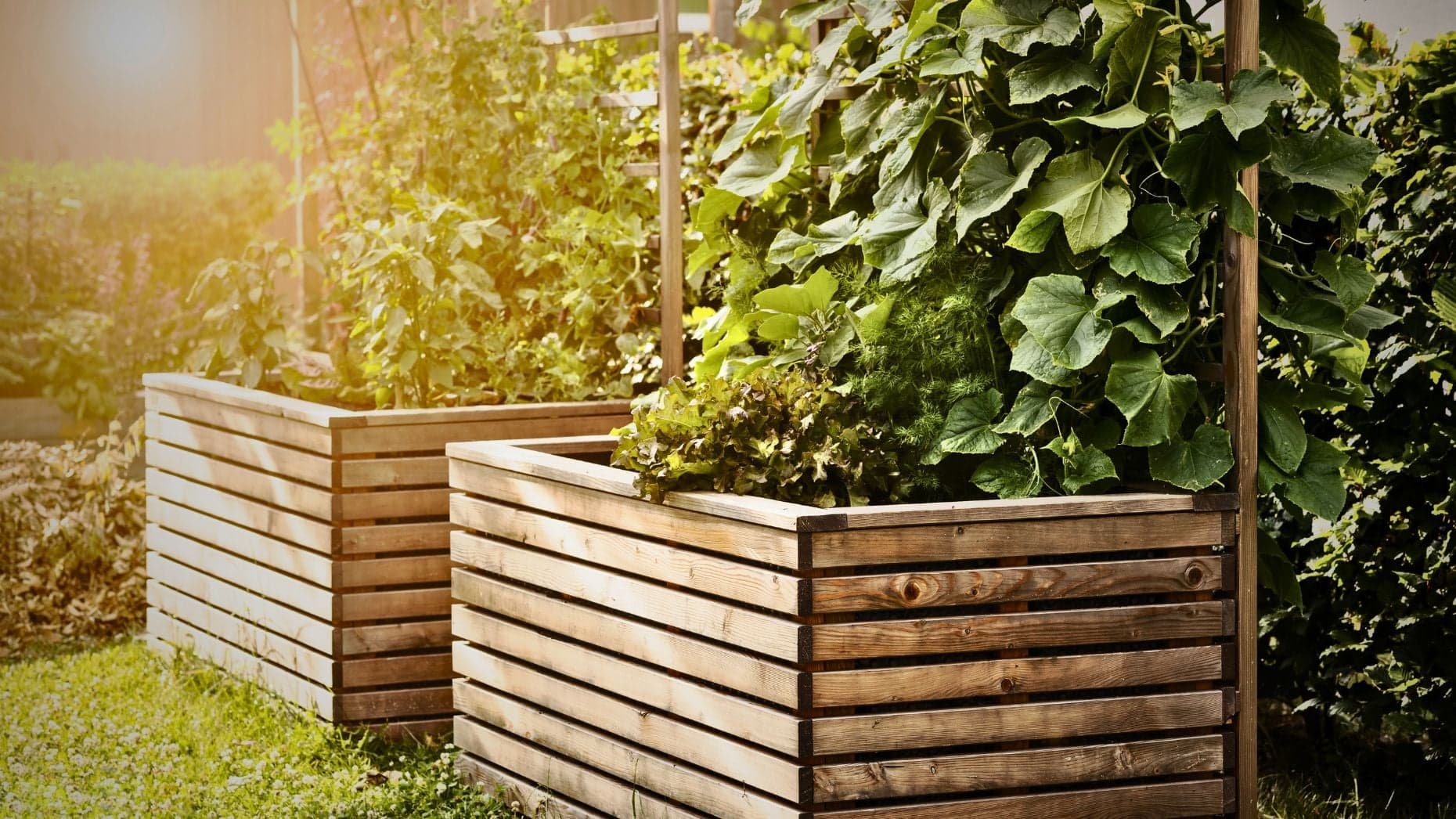
Real estate professionals who work with health-conscious buyers — a demographic that skews toward millennials and older Gen Xers who grew up watching their parents age — are reporting a noticeable change in the questions asked during showings. Buyers want to know about sun exposure in the backyard. They ask about soil quality and whether raised garden beds are possible. They want to understand fence lines, irrigation systems, and how close the nearest green space or walking trail is.
These are not casual curiosities. They reflect a buyer who has already decided that outdoor access is a core feature, not a bonus. For agents, this means the outdoor walkthrough deserves as much preparation and narrative investment as the kitchen tour. Knowing the orientation of the yard, the maturity of the trees, and the history of any landscaping upgrades can be the detail that tips a hesitant buyer into a confident offer.
What Smart Agents Should Be Doing Right Now
The most forward-thinking agents are already adapting their approach in several concrete ways.
- Leading with outdoor lifestyle in listing descriptions. Rather than burying yard details at the end of the property description, top-performing agents are opening with the outdoor story — framing a manicured lawn and private garden space as the wellness amenity it has become for today's buyer.
- Recommending targeted pre-listing landscaping investments. Armed with ROI data, agents can make a compelling, numbers-backed case to sellers for allocating part of their pre-listing budget to lawn care, garden preparation, and exterior planting — investments that photograph beautifully and resonate emotionally with longevity-minded buyers.
- Connecting outdoor features to buyer health goals. When working with buyers, skilled agents are learning to articulate how specific outdoor features — space for a kitchen garden, a flat lawn suitable for morning stretching, mature trees that provide natural shade — map directly to the lifestyle the buyer is trying to build.
- Staying current on wellness real estate trends. The intersection of health science and housing is evolving rapidly. Agents who follow research on Blue Zone living, biophilic design, and wellness community development will consistently have more relevant, credible conversations with clients than those who don't.
The Bigger Picture: Outdoor Space as Long-Term Value
What the longevity movement is ultimately doing to real estate is expanding the definition of value. A home's worth is no longer calculated purely in structural square footage or interior finishes. It is increasingly measured in quality of life delivered — and outdoor space is one of the most powerful delivery mechanisms available.
Buyers today are investing in homes the way they invest in their health: with a long time horizon and a clear understanding that small, consistent habits compound dramatically over years. A home with a thoughtfully maintained outdoor space isn't just beautiful at the time of purchase. It is an environment engineered for the kind of daily movement, stress relief, and natural connection that research shows adds not just years to a life, but life to those years.
For real estate agents, that is not just a trend to track. It is a new language to learn — and the agents who learn it first will be the ones their clients remember, refer, and return to for every transaction that follows.