
NYC Rent Freeze 2025: What Mamdani's Landmark 7-1 Vote Means for Tenants and Landlords
In one of the most consequential housing decisions New York City has seen in years, the Rent Guidelines Board voted 7-1 Thursday night to approve a 0% rent increase on one- and two-year leases for rent-stabilized apartments. The decision represents a landmark political victory for Mayor Zohran Mamdani, who ran on a bold platform of tenant protections and housing affordability — and it has already sent shockwaves through the city's real estate community.
For the more than one million New York City households living in rent-stabilized apartments, the ruling offers immediate financial relief. For landlords and property owners, however, it raises urgent questions about the long-term sustainability of the city's aging housing stock. Here is everything you need to know about the vote, the key players involved, and what this rent freeze could mean for New York City's housing market going forward.
What the Rent Guidelines Board Actually Decided
The Rent Guidelines Board is a nine-member body that meets annually to set allowable rent increases for New York City's roughly one million rent-stabilized apartments. Its members include representatives for tenants, landlords, and the public at large, and its decisions carry enormous weight for both sides of the housing equation.
On Thursday night, the board voted 7-1 in favor of a 0% increase — effectively a rent freeze — for both one-year and two-year lease renewals. The only dissenting vote came from Arpit Gupta, an economist who was appointed to the board in 2022 by then-mayor Eric Adams. Gupta's opposition was rooted in economic concerns about the financial viability of maintaining and operating rent-stabilized buildings under a freeze.
The vote was not without drama. Landlord representative Maksim Wynn delivered a statement that was nearly drowned out by a raucous crowd of tenant advocates who chanted, blew whistles, and booed throughout his remarks. Wynn expressed concern about the financial health of the city's buildings and the risk of more housing stock falling into distress — a scenario he argued could ultimately harm the very tenants the freeze is intended to protect. Despite his reservations, Wynn ultimately voted in favor of the freeze, making the final tally a decisive 7-1.
Mayor Mamdani Calls It a Historic Victory
For Mayor Zohran Mamdani, Thursday's vote is arguably the most significant political win of his young administration. Mamdani, who rose to prominence as a progressive state assemblymember before winning the mayoral race on a platform centered heavily on housing affordability, has made reducing the burden on working-class New Yorkers a defining mission of his tenure.
"This is a historic victory for New York City tenants," the mayor said in a statement issued immediately after the vote. "This is the relief that working people across our city deserve."
The rent freeze aligns directly with Mamdani's broader housing agenda, which has focused on keeping existing affordable units accessible and pushing back against what his administration characterizes as decades of policy that favored landlords over tenants. Supporters of the freeze argue that in a city where housing costs have spiraled well beyond the reach of average earners, a 0% increase is not just fair — it is a necessary intervention.
Landlords and Experts Sound the Alarm
Not everyone is celebrating. The decision has prompted swift and sharp criticism from property owners, real estate industry groups, and a number of economists who warn that the rent freeze could deepen the very housing crisis Mamdani has pledged to solve.
Ann Korchak, president of the Small Property Owners of New York (SPONY) — an organization whose membership is composed largely of owners of 100% rent-stabilized buildings — minced no words in her reaction. "This vote was an absolute farce," she said via statement immediately following the decision.
Korchak and others in the landlord community argue that without the ability to raise rents even modestly, many small property owners will struggle to cover rising costs for maintenance, insurance, utilities, and debt service. The fear is that financially strained owners will defer repairs and capital improvements, leading to a gradual deterioration of the city's rent-stabilized housing stock — the exact outcome that tenant advocates are trying to prevent.
Economists who weighed in ahead of the vote echoed similar concerns. Rent regulations, critics argue, can reduce the incentive for landlords to maintain properties and discourage the development of new housing supply, potentially making affordability worse over the long run even as they provide short-term relief.
The Bigger Picture: NYC's Housing Crisis in Context
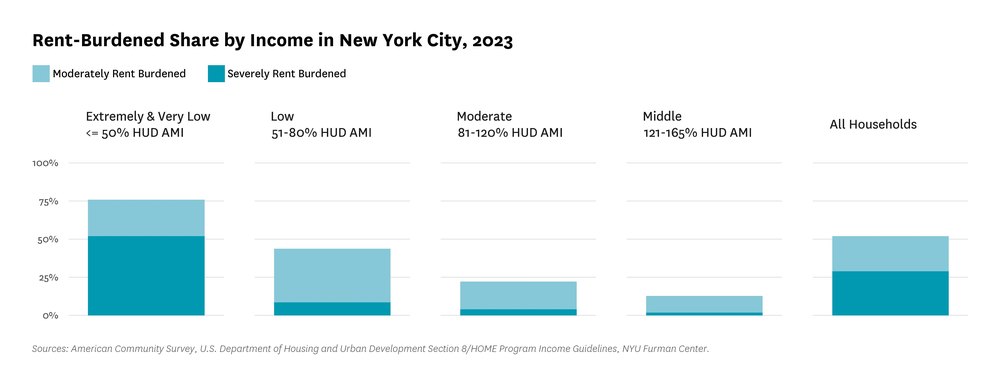
The debate over the rent freeze does not exist in a vacuum. New York City is grappling with a housing crisis that has been decades in the making, characterized by chronically low vacancy rates, surging market-rate rents, and a shortage of affordable units that has left hundreds of thousands of households cost-burdened or displaced.
Rent stabilization covers a significant portion of the city's rental housing, but the system itself has been under strain. Thousands of stabilized units have been removed from the regulated pool over the years through various mechanisms, and the remaining stock skews older and often requires costly upkeep. Critics of the freeze worry that without adequate revenue, more of these buildings could fall into distress or disrepair.
Proponents counter that the alternative — allowing rent increases to compound year after year — is simply not tenable for working-class and low-income New Yorkers who are already stretched to the limit. They point to stagnant wages, rising costs of living, and a job market that has not kept pace with the city's soaring cost of housing as justification for the board's decision.
What Comes Next for NYC Renters and Landlords
The rent freeze applies to lease renewals for apartments covered under New York City's rent stabilization system, meaning tenants in those units will not face any increase when their leases come up for renewal under the new guidelines. For landlords, the calculus is more complicated — they will need to assess how to manage operating costs without the buffer that a modest rent increase would have provided.
The coming months will likely see continued legal and political battles over housing policy in New York City. Landlord groups are expected to explore their options, and the debate over how best to address the city's affordability crisis — through supply-side solutions, demand-side protections, or some combination of both — will remain a central fault line in city politics.
What is clear is that Thursday's 7-1 vote has shifted the terms of that debate in a meaningful way, handing Mayor Mamdani a powerful mandate and signaling that tenant protections will be a defining feature of his administration. Whether the rent freeze ultimately proves to be the relief that working New Yorkers need — or an economic own goal that makes the housing crisis harder to solve — remains to be seen. But for now, millions of rent-stabilized tenants across New York City can breathe a little easier knowing their rents will not be going up.