
The Gap Between Getting Licensed and Getting Successful
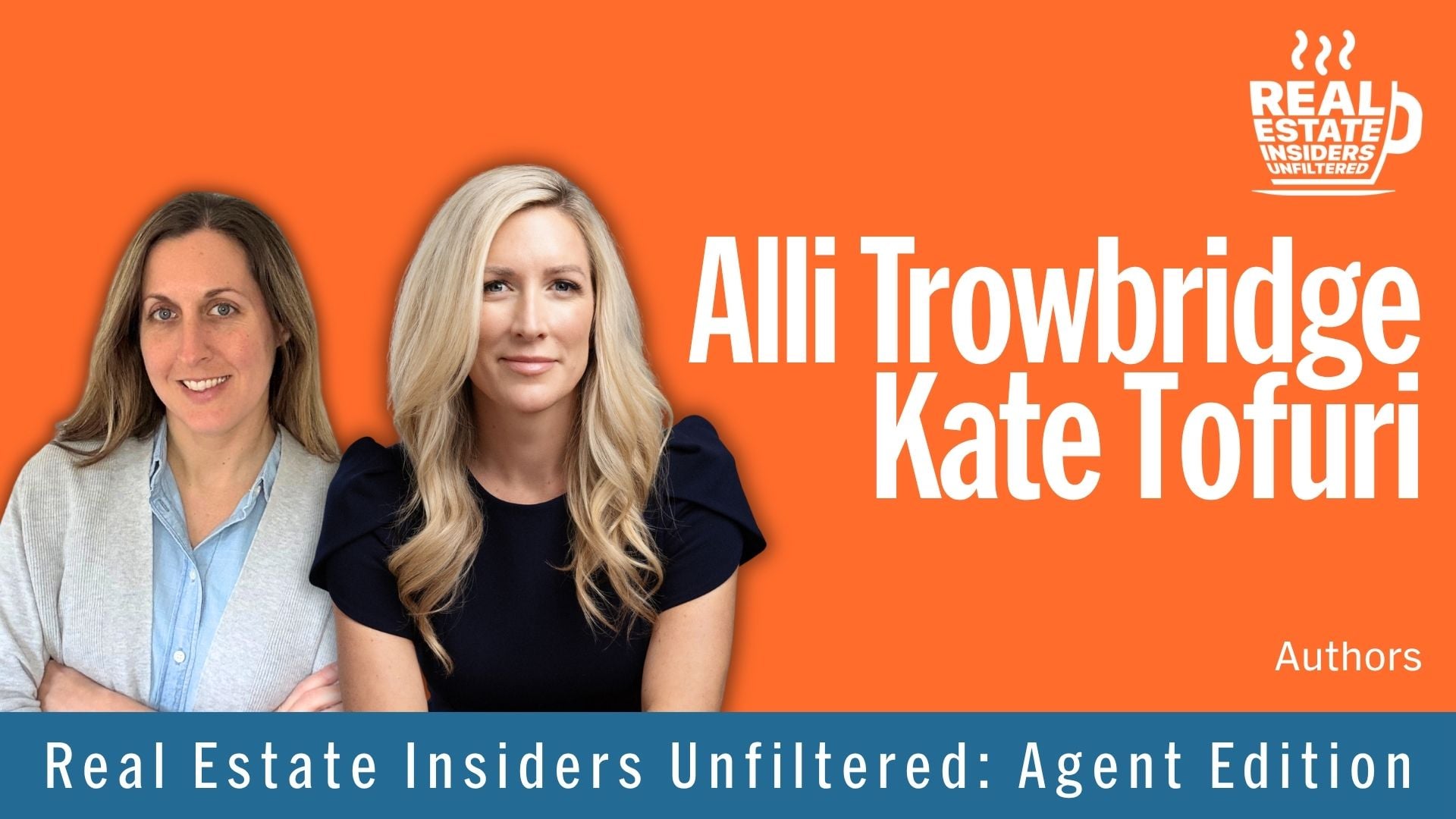
Every year, thousands of people pass their real estate licensing exam, walk out of the testing center with a certificate in hand, and feel ready to take on the world. Then reality hits. The phones don't ring, the leads don't flow, and the confidence earned in the classroom starts to evaporate fast. According to Kate Tofuri and Alli Trowbridge, co-authors of What Real Estate School Didn't Teach You, this experience is not a personal failure — it's a systemic one. Real estate school is designed to get you licensed, not to make you successful. And there is a massive difference between the two.
In a revealing podcast episode, Tofuri and Trowbridge unpacked exactly why so many new agents struggle in their first years, and more importantly, what they can do about it. Their insights are a must-read for anyone entering the industry or feeling stuck in the early stages of their real estate career.
What Real Estate School Actually Teaches You
Real estate licensing courses cover the legal framework of property transactions. You'll learn about contracts, agency relationships, fair housing laws, property disclosures, and the basics of financing. This foundational knowledge is important — it keeps you legally protected and professionally compliant. But here's the brutal truth: none of it tells you how to find a client, how to build a brand, how to handle rejection, or how to turn a conversation into a closed deal.
The curriculum is built around passing a state exam, not building a business. Once you have that license, you are essentially an entrepreneur — and entrepreneurship is a skill set that most real estate schools never address. This creates an enormous gap that new agents often aren't even aware of until they're already struggling.
The Business Skills No One Talks About
Tofuri and Trowbridge emphasize that real estate is, at its core, a sales and relationship business. Yet almost no formal training addresses the mechanics of building and maintaining relationships at scale. Here are some of the critical business skills that new agents need to develop on their own:
- Lead generation: Understanding how to consistently attract and nurture potential clients through both digital and traditional marketing channels is the lifeblood of any real estate business. School never covers this in a practical, actionable way.
- Personal branding: In today's market, buyers and sellers research agents online before ever picking up the phone. Building a compelling online presence — on social media, through a professional website, and via client reviews — is non-negotiable, yet rarely taught.
- Time management and self-discipline: Without a boss setting your hours, new agents often struggle to structure their days productively. The ability to prioritize dollar-productive activities over busy work is a learned skill that takes time and intentional practice.
- Financial planning: Real estate income is commission-based and irregular. Understanding how to manage cash flow, set aside taxes, and plan for slow seasons is critical — and almost universally ignored in licensing prep courses.
- Negotiation and communication: While contracts are covered in school, the art of negotiating for your client's best interests — or even negotiating your own commission — requires a different kind of training entirely.
The Mindset Shift That Changes Everything
Beyond tactical skills, Tofuri and Trowbridge point to mindset as perhaps the most underestimated factor in a new agent's success. Real estate is a long game. Most agents don't see significant income for the first six to twelve months, sometimes longer. The ability to persist through that uncertainty, to handle rejection professionally, and to stay motivated without immediate financial rewards requires a psychological resilience that nobody prepares you for.
Many new agents make the mistake of treating rejection as a sign that they're in the wrong career. In reality, rejection is simply part of the process. The agents who make it aren't necessarily smarter or more talented — they're simply the ones who didn't quit when things got uncomfortable.
Developing a growth mindset, seeking out mentorship, and surrounding yourself with other successful agents are all strategies that Tofuri and Trowbridge highlight as transformative for new professionals navigating those difficult early months.
How to Bridge the Gap After Licensing
The good news is that the gap left by real estate school is completely bridgeable. Here are actionable steps every newly licensed agent should take immediately after getting their license:
- Choose your brokerage strategically: Not all brokerages are created equal. Look for one that offers strong training programs, mentorship opportunities, and a culture of collaboration rather than just a high commission split.
- Invest in continued education: Books, podcasts, coaching programs, and industry conferences are where the real education happens. Resources like What Real Estate School Didn't Teach You exist precisely to fill the gap that formal licensing leaves behind.
- Build your database from day one: Your sphere of influence — family, friends, former colleagues, neighbors — is your first and most valuable source of business. Start organizing and communicating with these contacts immediately.
- Shadow experienced agents: There is no substitute for watching how a seasoned professional handles client consultations, listing presentations, and negotiations. Ask to shadow, assist on transactions, and absorb as much as possible.
- Set realistic expectations: Understand that building a real estate business takes time. Set realistic income goals for your first year, have savings in place, and resist the urge to compare your Chapter 1 to someone else's Chapter 10.
The Real Estate Industry Needs Better Support Systems
One of the broader points raised by Tofuri and Trowbridge is that the real estate industry as a whole needs to do better by its new professionals. With licensing requirements that are relatively easy to meet compared to other licensed professions, the industry attracts many hopeful entrants — and then fails to support them adequately. The result is a high dropout rate, with many estimates suggesting that the majority of new agents leave the business within their first two years.
This isn't just a personal loss for those individuals. It damages client trust, contributes to inconsistent service quality in the market, and ultimately weakens the profession as a whole. Better onboarding, mentorship infrastructure, and honest conversations about what success actually requires could change these statistics dramatically.
Final Thoughts: Success Is Learnable
Getting your real estate license is the beginning of the journey, not the destination. The skills, habits, and mindset required to build a thriving real estate career are all learnable — but they won't be handed to you in a classroom. Kate Tofuri and Alli Trowbridge's work is a powerful reminder that awareness is the first step. Once you know what you don't know, you can start filling in the gaps with purpose and intention. Your license opens the door. What you do next determines everything.