
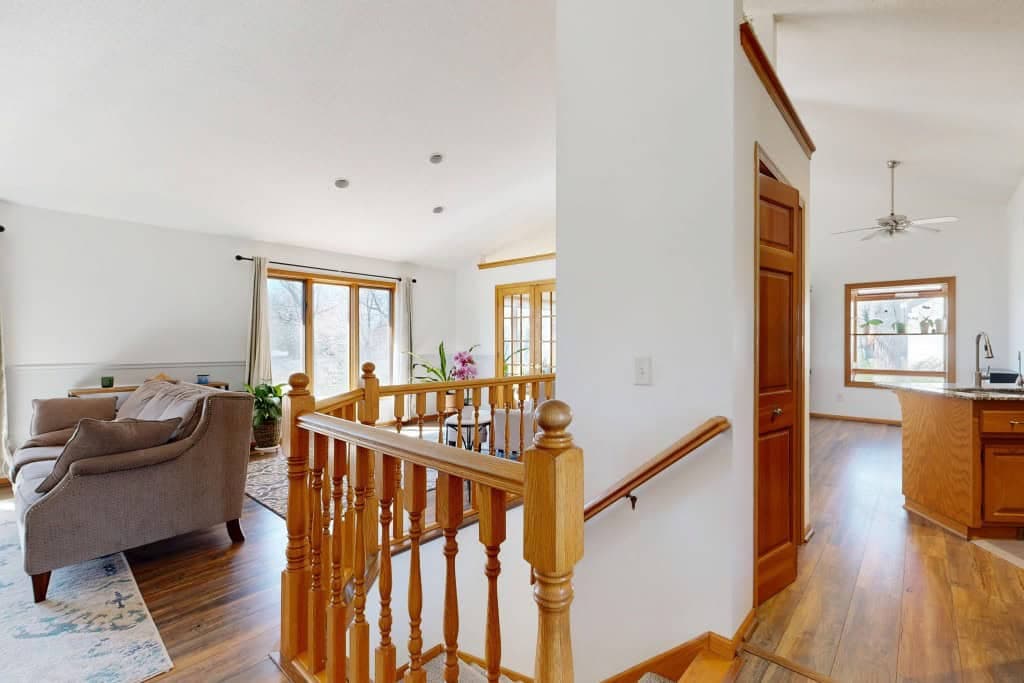
Why Home Listing Photos Deserve More Than a Quick Scroll
Online listings are typically the very first step in the homebuying process, and photos do most of the heavy lifting. In a matter of seconds, a handful of images can determine whether a buyer books a showing or keeps scrolling. But while sellers and their agents use professional photography to put a home's best face forward, those same photos — when viewed with a trained eye — can reveal just as much about a property's problems as its potential.
Knowing what to look for when viewing house photos is one of the most underrated skills a homebuyer can develop. Subtle details that might seem insignificant at first glance can hint at major structural, cosmetic, or maintenance issues lurking beneath the surface. Before you fall in love with a listing, take a few extra minutes to study the photos carefully. Here are the most common red flags to watch for.
1. Conspicuously Missing Rooms or Areas
A well-prepared listing should include photos of every significant room in the home — living areas, bedrooms, bathrooms, the kitchen, and ideally the basement, garage, and outdoor spaces. If you notice that certain rooms are absent from the photo gallery, that omission is rarely accidental.
Missing bathroom photos, for instance, can signal outdated fixtures, mold, water damage, or poor layout. A missing basement photo might indicate flooding, structural concerns, or an unfinished space that isn't quite what the listing description suggests. When something is noticeably absent, treat it as an invitation to ask questions before you ever set foot in the door.
2. Heavy Photo Editing and Unusual Angles
Professional real estate photography is standard practice, but there's a meaningful difference between flattering and misleading. Photos that appear overly brightened, heavily filtered, or shot with an extreme wide-angle lens can artificially inflate the perceived size of a room or mask issues like dark, cramped spaces and poor natural lighting.
Pay close attention to rooms where the angle of the photo seems unusually tight or where the camera appears positioned in an odd corner. This technique is often used to avoid showing a visible problem just outside the frame — a damaged wall, a cracked ceiling, or a window that looks directly into a neighboring building.
3. Signs of Water Damage or Moisture
Water damage is one of the most costly and disruptive problems a homeowner can face, and its early signs are frequently visible in listing photos if you know where to look. Watch for discoloration or staining on ceilings and walls, which often appears as yellow, brown, or rust-colored patches. Warped or buckling flooring — especially in kitchens and bathrooms — is another telltale sign of moisture intrusion.
Also look closely at the areas around windows and along baseboards. Peeling paint, swollen wood trim, or visible mold growth in these zones can point to ongoing water issues that go well beyond surface-level cosmetics.
4. Deferred Maintenance Throughout the Home
A home that hasn't been well maintained tends to show its age in multiple small ways simultaneously. Cracked or missing caulking around tubs and sinks, damaged window screens, chipped paint on doors and trim, outdated electrical outlets, and visibly aging appliances are all signs of deferred maintenance that accumulate over time.
Individually, these may seem like minor cosmetic issues. Collectively, they suggest a seller who has not been proactive about upkeep, which raises a reasonable question: if the visible, easy-to-fix problems haven't been addressed, what might be happening with the less visible, harder-to-reach systems like the roof, HVAC, or plumbing?
5. Cluttered or Staged-Over Spaces
Strategic staging is a normal and legitimate part of selling a home. However, excessive furniture, rugs layered over flooring, or large decorative items placed in odd locations can sometimes be used to conceal flaws. A large area rug centered in a room, for example, might be hiding damaged hardwood or stained carpeting underneath. A strategically placed piece of furniture might be obscuring a crack in the wall or a damaged section of flooring.
If the staging feels unusually heavy or inconsistent with the rest of the home's style, make a mental note to pay particular attention to those areas during your showing.
6. Exterior and Landscaping Concerns
Don't spend all your attention on interior photos. The exterior shots in a listing can be just as telling. Look for signs of roof wear such as missing, curling, or discolored shingles. Gutters that are visibly sagging, detached, or full of debris suggest neglect. Cracks in the foundation, driveway, or exterior walls are worth noting, even if they appear small in photos.
The landscaping can also offer clues. Overgrown vegetation pressed up against the home's foundation can trap moisture and attract pests. Grading that slopes toward the house rather than away from it is a potential drainage problem that can lead to basement flooding over time.
7. Poor Lighting That Could Be Hiding Something
Natural light is one of the most desirable features in any home, and most listing photographers work hard to showcase it. When interior photos are unusually dark or rely entirely on artificial lighting — particularly in rooms that should have windows — it's worth wondering why. Basements, bathrooms, and older kitchens are common offenders, but even main living spaces can be photographed in low light to draw attention away from an unflattering view or a poorly maintained space.
Use Photos as Your First Line of Defense
Listing photos are more than a marketing tool — they're a window into a home's true condition. Learning to read them critically can save you from wasting time on showings, or worse, making an expensive offer on a property with hidden problems. Treat every photo as a clue, ask questions about anything that seems missing or staged, and use what you observe online to guide a thorough in-person inspection. The more informed you are before you walk through the door, the better positioned you'll be to make a confident homebuying decision.