
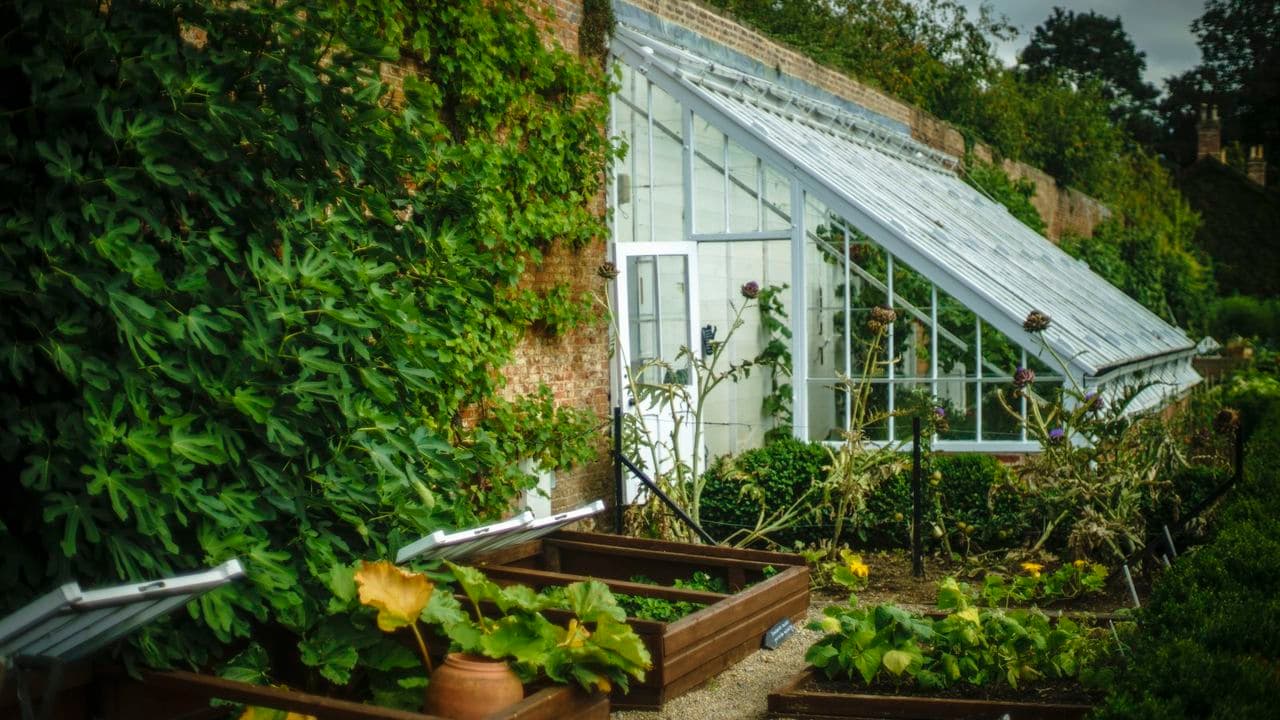
Why Second-Wave Planting Is the Secret to a Non-Stop Garden
Most gardeners put enormous energy into their spring sowing, then sit back and wait. But here's the thing — the most productive gardeners don't stop at one round. They practice what's known as succession sowing or second-wave planting, staggering their crops so that as one batch is harvested, another is already on its way. If you haven't started your second wave yet, now is absolutely the time to act. A few well-chosen seeds sown this month can transform a garden that's starting to look tired into one that delivers fresh produce, fragrant herbs, and vibrant flowers well into autumn.
The principle is simple: gaps left by harvested spring crops or early-season bolters are precious real estate. Fill them wisely and your garden keeps giving. Here's everything you need to know about which vegetables, herbs, and flowers to sow for a spectacular sequel — and how to get the best from each one.
Vegetables to Sow Now for a Second Harvest
Summer might feel like it belongs to the crops already in the ground, but many fast-maturing vegetables thrive when sown mid-season. The key is choosing varieties that can mature before the first frosts of autumn and that won't immediately bolt in the summer heat.
Salad Leaves and Lettuce
Salad leaves are among the fastest-turnaround crops in any kitchen garden, and a second sowing now means you'll be picking fresh leaves in as little as four to six weeks. Choose heat-tolerant varieties such as 'Little Gem', loose-leaf types, or cut-and-come-again mixes. Sow directly into the ground or into deep containers, water well, and provide a little shade during the hottest part of the day to prevent early bolting. Thin seedlings as they emerge and harvest regularly to encourage regrowth.
Radishes and Turnips
Radishes are arguably the most rewarding second-wave crop because they mature so quickly — some varieties are ready to pull in as little as three to four weeks. Sow them directly in a prepared bed and keep the soil consistently moist. Turnips, though slightly slower, are wonderfully versatile and can be harvested small and tender for summer salads or left to bulk up for autumn roasting. Both crops appreciate a spot that receives some afternoon shade as the season progresses.
Courgettes and French Beans
If you lost early courgette or French bean plants to slugs, late frosts, or simply poor luck, now is a good moment to sow replacements. Courgettes can be sown directly outdoors into warm soil and will establish quickly in the long summer days. French beans, whether climbing or dwarf varieties, will crop reliably from a midsummer sowing and often produce well into September. Both crops prefer a rich, well-fed soil, so work in plenty of compost before sowing and keep watering consistent to support fast establishment.
Kale, Chard, and Spinach
For autumn and winter harvests, sowing kale, chard, and spinach now is essential. These are hardworking crops that will stand through cold weather and provide nutritious greens when most of the garden has packed up for the year. Kale in particular is a reliable performer — sow seeds half a centimetre deep into a seedbed or modules, then transplant when seedlings are large enough to handle. Chard offers the bonus of ornamental value, with varieties like 'Bright Lights' producing vivid stems of red, yellow, and orange that brighten up the veg patch as well as the dinner plate.
Herbs Worth Sowing for a Second Flush
Many herbs that were sown in spring will be starting to flag, flower, or go woody by midsummer. A second sowing ensures a fresh, productive supply of aromatic leaves right through to the first frosts.
Basil
Basil is a true heat lover, and a second sowing in midsummer often outperforms the first, particularly if you can give it a warm, sheltered spot. Sow seeds into small pots on a sunny windowsill or in a greenhouse and pot on as growth speeds up. Keep plants pinched back regularly, removing any flower buds that form, to ensure a constant supply of fresh leaves. Few things in the kitchen rival the flavour of homegrown basil picked fresh at the height of summer.
Coriander and Dill
Both coriander and dill are notoriously quick to bolt, especially during the longest days of summer. A second sowing made now, as the days begin to shorten almost imperceptibly, will often produce plants with far more leaf before they run to seed. Sow directly where they are to grow — both dislike root disturbance — in a spot with good drainage and steady moisture. Choose slow-bolt varieties where possible for the best results.
Parsley and Chervil
These biennial and annual herbs are well worth a second sowing. Parsley is famously slow to germinate but once established produces abundantly. Sow seeds now for plants that will be harvestable by autumn and continue producing well into winter. Chervil, meanwhile, is an underused gem — it prefers a shadier position than most herbs, making it ideal for filling gaps under taller plants, and its delicate aniseed flavour is a wonderful addition to salads, soups, and egg dishes.
Flowers to Sow for an Autumn Display
Second-wave planting isn't only about edible crops. Many fast-growing annuals can be sown now to deliver fresh colour in late summer and early autumn, filling gaps left as earlier flowers fade.
Nasturtiums
Nasturtiums are one of the most generous flowers you can grow, and a second sowing now will produce plants dripping with bright blooms well into October. Sow seeds directly into the ground — they genuinely prefer poor soil, so there's no need to add compost or feed — and stand back. Both the flowers and the peppery leaves are edible, making them doubly useful for the kitchen gardener. Climbing varieties scramble beautifully up trellises or through shrubs, adding cheerful colour at height.
Nigella and Calendula
Nigella, also known as love-in-a-mist, self-seeds freely but a deliberate second sowing now will ensure a display of its feathery blue, white, and pink blooms right into autumn. Calendula, or pot marigold, is equally easy — scatter seed into any sunny gap, rake it in, and water. These tough, cheerful flowers are also great companion plants in the vegetable garden, attracting beneficial insects and deterring some common pests.
Sunflowers
It's not too late for a late sowing of sunflowers, particularly smaller-headed varieties. Sow seeds directly into a sunny border or large pot, water in well, and expect flowers in eight to ten weeks. Late-sown sunflowers often bloom at a time when the rest of the garden is winding down, making them a genuinely uplifting addition to any late-summer space.
Tips for Getting the Most from Your Second Sowing
- Water seeds and seedlings consistently, as summer soil dries out much faster than in spring — a mulch of garden compost around transplants helps retain moisture and suppress weeds.
- Refresh the soil in your veg beds before second sowings by working in a handful of general-purpose fertiliser or a layer of well-rotted compost to replace nutrients used by the first crop.
- Keep an eye on slugs and snails, which tend to be particularly active in warm, damp conditions and will make short work of tender seedlings overnight.
- Label everything clearly — it's easy to lose track of what's been sown where when making multiple sowings throughout the season.
- Harden off any module-grown seedlings carefully before planting them out, even in summer, to avoid transplant shock.
Second-wave planting takes very little extra effort but delivers extraordinary rewards. With a few packets of seeds and a couple of free hours, you can ensure your garden remains productive, beautiful, and full of life from now until the frosts. Don't let those empty beds stay empty — your future self will be grateful you didn't.