
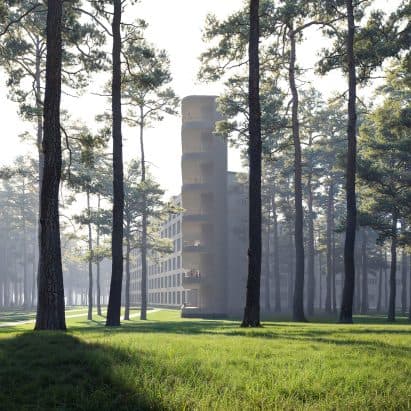
Snøhetta Unveils Plans to Convert Aalto's Paimio Sanatorium into a Future-Oriented Hotel
One of the most celebrated examples of modernist architecture in the world is about to begin a remarkable new chapter. Norwegian architecture studio Snøhetta has revealed its visionary plans to transform Alvar and Aino Aalto's iconic Paimio Sanatorium in southwestern Finland into a thoughtfully reimagined, future-oriented hotel. The project promises to honor the building's extraordinary architectural legacy while breathing new life into a structure that has stood largely dormant for years, making it one of the most anticipated adaptive reuse projects in contemporary architecture.
A Modernist Masterpiece with a Rich History
Completed in 1933, the Paimio Sanatorium was designed by Finnish architects Alvar and Aino Aalto as a tuberculosis treatment facility. Set amid the pine forests of Paimio in the Southwest Finland region, the building was conceived not merely as a hospital, but as a total healing environment — a "medical instrument," as Aalto himself described it. Every detail, from the orientation of the patient rooms to maximize sunlight exposure, to the specially designed Paimio Chair that helped patients breathe more easily, was crafted with the well-being of its occupants at the forefront.
The building is widely regarded as a pivotal work of functionalist and humanist modernism, earning it a place on the UNESCO World Heritage tentative list. Its long horizontal wings, clean white facades, generously glazed communal areas, and flowing interiors represent Aalto at the height of his early powers — a synthesis of rational planning and deeply human sensitivity that influenced generations of architects worldwide.
After operating as a hospital for several decades, the sanatorium gradually ceased medical functions and has since been maintained as a heritage site. The challenge of what to do with such a significant but underutilized building has been a subject of debate among conservationists, architects, and cultural authorities for years. Snøhetta's proposal now offers one of the most compelling answers yet.
Snøhetta's Vision: Heritage Meets the Future
Snøhetta, the Oslo and New York-based studio renowned for projects such as the National September 11 Memorial Museum Pavilion and the Norwegian National Opera and Ballet, has released early images of its concept for the hotel conversion. The studio's approach is described as "future-oriented," a phrase that signals an intention to look forward rather than simply preserve the past in amber.
The proposal centers on adapting the existing building fabric with sensitivity and intelligence, converting the former patient wards and communal spaces into guest accommodation and hospitality facilities while retaining the architectural character and spatial qualities that make Paimio so special. Snøhetta has emphasized the importance of maintaining the integrity of the Aaltos' original design intent — the relationship between architecture, nature, and human wellness — while introducing contemporary programmatic needs.
This approach to adaptive reuse is increasingly recognized as one of the most sustainable and culturally responsible forms of architecture. Rather than demolishing or drastically altering a historic structure, it extends the life of existing buildings, reduces embodied carbon, and preserves the cultural memory embedded in their walls. For a building as significant as Paimio Sanatorium, such care is not just desirable — it is essential.
Wellness Tourism and Heritage Hotels: A Growing Trend
The decision to convert the Paimio Sanatorium into a hotel is also a shrewd response to one of the most powerful forces reshaping global travel: the rise of wellness tourism and experiential hospitality. Travelers today are increasingly drawn to destinations that offer something beyond mere accommodation — a connection to place, history, and meaning. A hotel set within a UNESCO-listed modernist masterpiece, surrounded by Finnish forest, and rooted in the ethos of human well-being is precisely the kind of offering that resonates deeply with contemporary travelers.
Finland itself has long been associated with wellness culture, from its world-famous sauna tradition to its deep relationship with nature and silence. The Paimio Sanatorium, with its built-in philosophy of healing through architecture, sunlight, and fresh air, aligns naturally with this national identity. Snøhetta's hotel concept has the potential to become a landmark destination for architecture enthusiasts, design travelers, and wellness seekers alike.
Challenges and Responsibilities of Converting a Cultural Icon
Converting a building of this stature is not without its challenges. Heritage conservation requirements will demand meticulous attention to the original materials, finishes, and spatial sequences that define the Aaltos' work. The integration of modern hotel infrastructure — plumbing, electrical systems, fire safety, accessibility, and digital connectivity — must be achieved without compromising the visual or spatial experience of the architecture.
Snøhetta has extensive experience navigating exactly these kinds of tensions. The studio's track record in projects that balance innovation with contextual sensitivity makes them a fitting choice for such a delicate assignment. Their early imagery suggests a restrained and respectful approach, one that allows the power of the original architecture to remain the dominant presence while layering in contemporary design thinking where appropriate.
What the Project Means for Architecture and Cultural Heritage
Beyond the specifics of the Paimio project, Snøhetta's involvement signals something broader about the direction of contemporary architecture. The adaptive reuse of significant modernist buildings is an area of growing urgency as many mid-twentieth-century structures reach the end of their original functional lives. Finding viable new uses that sustain these buildings financially while protecting their cultural value is one of the defining challenges of our era.
The Paimio Sanatorium hotel project, if realized, would stand as an exemplary model for how this can be done — honoring the vision of great architects while making their work accessible and relevant to new generations. It would also serve as a powerful reminder that the values Alvar and Aino Aalto embedded in their architecture — a belief in the healing power of good design, light, and nature — are not relics of the past, but principles as vital and necessary as ever.
With Snøhetta at the helm and one of modernism's greatest buildings as the canvas, the future of the Paimio Sanatorium looks not just promising, but genuinely extraordinary.