
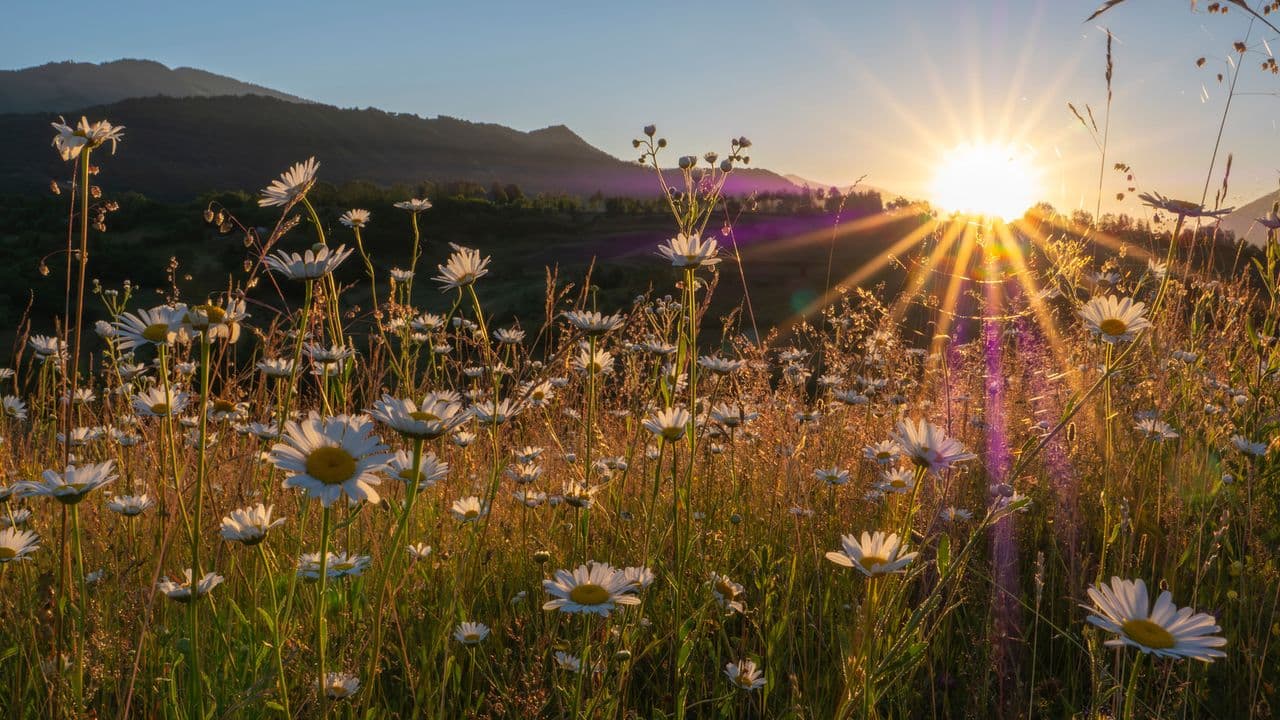
Why the Solstice Is the Perfect Moment to Slow Down and Listen to the Land
There is something quietly extraordinary about the solstice. Whether you mark the longest day of summer or the lingering darkness of winter, the solstice has been honored by cultures across the world for thousands of years as a threshold — a turning point in the great wheel of the natural year. Yet for most of us today, it passes like any other Tuesday. We scroll past a few poetic posts on social media, briefly note the date, and move on.
What if this year you did something different? What if you treated the solstice not as a calendar curiosity, but as an invitation — to step outside, to walk slowly, and to experience the living world around you with every sense you possess? That is exactly what this simple, meaningful solstice ritual is designed to help you do. And all it requires is a pair of comfortable shoes, a willingness to be present, and a patch of wildflowers.
What Is a Sensory Garden Experience — and Why Does It Matter?
A sensory garden experience is the deliberate practice of engaging all five senses — sight, smell, touch, sound, and taste — in a natural outdoor setting. Unlike a passive stroll where the mind wanders to to-do lists and unanswered emails, a sensory experience pulls you fully into the present moment. Horticultural therapists, ecopsychologists, and wellness researchers have long recognized that this kind of immersive attention to nature carries measurable benefits: reduced cortisol levels, improved mood, sharpened focus, and a profound sense of belonging to something larger than oneself.
Most people associate sensory gardens with designed, curated spaces — therapeutic gardens in hospitals, fragrance gardens in botanical parks. But the truth is that any wildflower meadow, hedgerow, or overgrown verge is already a sensory garden of breathtaking complexity. The ritual below simply teaches you to perceive it as one.
The Solstice Wildflower Walk Ritual: Step by Step
You do not need to travel far to practice this ritual. A local meadow, a nature reserve, a canal towpath thick with cow parsley, or even a sunny patch at the edge of a park will serve beautifully. What matters most is your intention — the quiet decision to arrive as a participant rather than a passerby.
Before You Begin: Set Your Intention
Before you take your first step on the path, pause. Stand still for thirty seconds and take three slow, deliberate breaths. On each exhale, silently let go of wherever you were before — the car journey, the morning's anxieties, the plans for later. This threshold moment signals to your nervous system that something different is about to happen. It is a small act, but it is surprisingly powerful.
Sight: The Art of Looking Without Naming
Begin walking at roughly half your normal pace. As you move through the wildflowers, resist the urge to immediately name what you see. Instead, notice shapes, colors, and the way light falls across petals. Notice the movement of flowers in the breeze — the way a stand of ox-eye daisies sways in rhythm, or the way a single poppy trembles on its long, hairy stem. See the gradations of color: the deep magenta at the heart of a clover bloom, the almost luminous yellow of a buttercup. This practice of looking without labeling quiets the analytical mind and opens something softer and more receptive.
Smell: Kneeling Down to the Invisible World
Choose three or four plants and bring your face close — not to pick them, but simply to breathe them in. The scent of meadowsweet is famously described as almond and honey; clover carries a clean, grassy sweetness; yarrow has a sharp, medicinal edge that is almost startling. Notice how scent bypasses rational thought and lands directly in memory and emotion. The olfactory system is the only sense with a direct pathway to the limbic brain, which is why a single wildflower fragrance can summon a childhood afternoon you had entirely forgotten.
Sound: The Solstice Soundscape
Find a spot among the flowers and simply stand or sit for five minutes. Close your eyes. Layer the sounds you can hear: the drone of bumblebees moving between flowers, birdsong threading through the air above, the dry rustle of seed heads, the distant sound of wind in tree canopy. This practice, sometimes called soundscape awareness, is used by acoustic ecologists to help people develop an emotionally rich relationship with the environments they inhabit. On the solstice, when the natural world is at a peak of activity, the soundscape is particularly dense and layered.
Touch: The Texture of Living Things
Run your fingertips gently along the surface of leaves, stems, and seed pods — without picking or damaging the plant. Notice how different each texture is: the silky smoothness of a poppy petal, the rough bristle of a borage stem, the cool velvet of a mullein leaf. Touch grounds us in the body and in the present. It is almost impossible to be anxious while paying careful, gentle attention to how a grass seed feels between your fingertips.
Taste: A Note of Careful Presence
If you are confident in your plant identification — and only if you are — taste can be part of the ritual too. A single clover floret, a wood sorrel leaf with its bright lemony sharpness, or a young hawthorn leaf carries a flavor unlike anything in a supermarket. If you are uncertain about identification, skip this sense entirely. The ritual is complete without it. What matters is the spirit of curious, respectful attention.
Closing the Ritual: Gratitude as an Ecological Practice
Before you leave the wildflower walk, take one final pause. Look around you at the full scene — the flowers, the insects, the sky — and allow yourself to feel gratitude not as a polite social reflex, but as a genuine recognition of the fact that this living world sustains you, whether or not you remember to notice it. Many indigenous traditions and contemporary ecological philosophers argue that this act of conscious gratitude is not merely good for human wellbeing — it is the foundation of right relationship with the natural world.
Making It a Seasonal Practice
The beauty of anchoring this ritual to the solstice is that it gives you two natural entry points each year — summer and winter — to step back from the pace of modern life and re-attune yourself to seasonal rhythms. Over time, practitioners report that the ritual begins to change them in subtle but lasting ways: a greater tendency to notice the natural world in everyday moments, a slower pace on walks, and a deepened sense of belonging to the living landscape around them.
You do not need to be a botanist, a meditator, or an outdoor enthusiast to try this. You only need to show up, slow down, and be willing to be surprised by how much was always there, waiting to be noticed.