
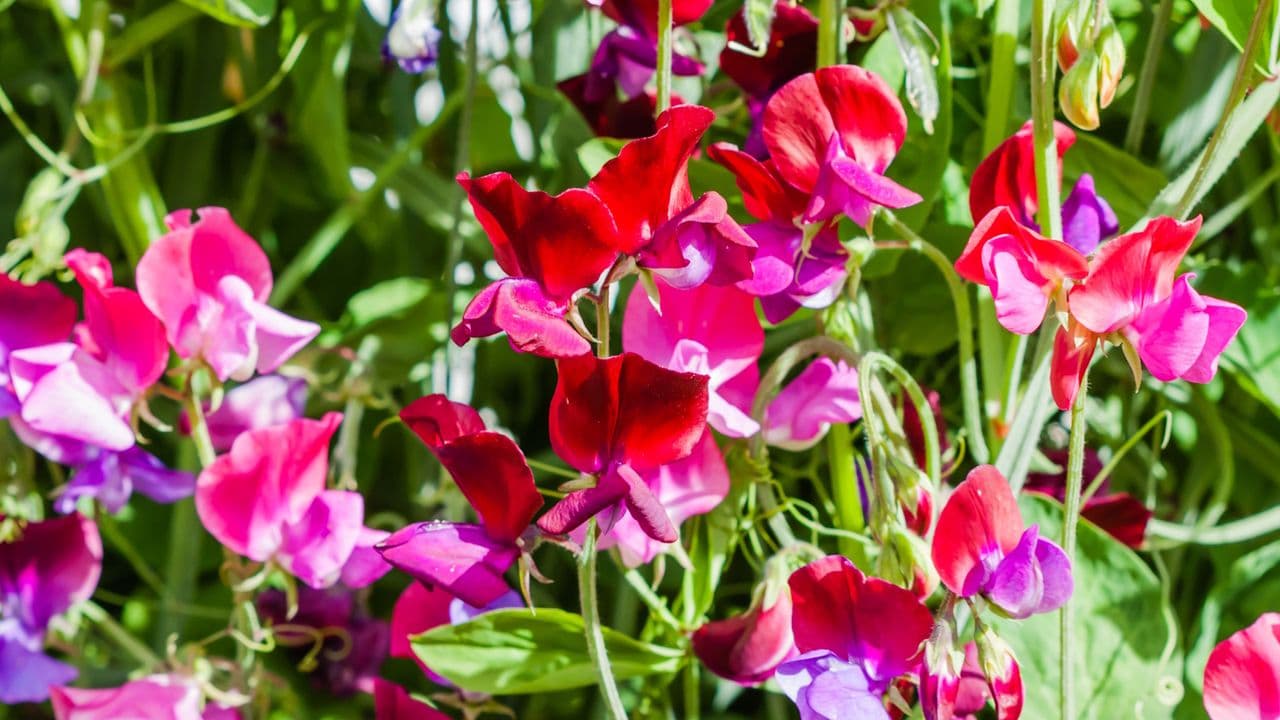
What to Do With Sweet Peas in June for a Season Full of Fragrant Blooms
June is arguably the most important month in the sweet pea calendar. Your plants have climbed, your first buds are bursting open, and the garden is beginning to fill with that unmistakable, heady fragrance. But if you want that glorious display to last well into August — rather than fizzling out by mid-July — what you do right now makes all the difference. Here is everything you need to know about caring for sweet peas in June so you can enjoy an endless supply of fragrant cut flowers throughout the summer.
Why June Is the Critical Month for Sweet Peas
Sweet peas are annuals, which means their entire life goal is to set seed and complete their reproductive cycle. Once they achieve that goal, they stop producing flowers and begin to decline. June is the point at which this process is just getting underway, and it is precisely when your intervention — through cutting, deadheading, watering, and feeding — can trick the plant into continuing to bloom for weeks or even months longer than it would otherwise.
Understanding this simple biological principle is the foundation of all great sweet pea growing. Every decision you make in June should be aimed at one thing: preventing the plant from setting seed.
Cut Flowers Regularly and Generously
The single most effective thing you can do with sweet peas in June is cut them. Cut them often. Cut them even when you don't think you need a vase full of flowers. This is not just a gardening tip — it is the core strategy for extending your season.
When you cut a stem of sweet peas, you remove the potential seedpod before it can form. The plant responds by sending up new flowering stems to try again. The more you cut, the more the plant produces. Many experienced growers recommend cutting sweet peas every two to three days at minimum, and daily harvesting in warm spells when growth is at its fastest.
When cutting, always use clean, sharp scissors or secateurs. Cut stems long — right back to the base of the stem near the main vine — to encourage the strongest possible regrowth. Place cut stems immediately into water and keep them in a cool spot indoors. Sweet pea blooms will last between five and seven days in a vase when cut correctly.
Deadhead Anything You Miss
Even the most dedicated cutter will occasionally miss a spent bloom. Deadheading — the removal of faded flowers before they can form seedpods — is your second line of defence. Walk along your sweet pea row or trellis every day or two and snap off any flowers that are beginning to fade. Pay particular attention to the small, swelling pods that form where petals have dropped, as these are the most urgent to remove.
A single seedpod left to mature on a sweet pea plant sends a powerful signal that the job is done and flowering can slow. Stay vigilant throughout June and you will reap the rewards in July and August.
Feed Your Sweet Peas for Maximum Performance
By June, sweet peas that were planted in spring have used up much of the nutrition in the soil around their roots. To sustain the kind of prolific flowering you are aiming for, regular feeding becomes essential.
- Use a high-potassium liquid fertiliser, such as a tomato feed, applied every ten to fourteen days throughout June and July. Potassium supports flower production and enhances fragrance.
- Avoid high-nitrogen feeds at this stage, as these encourage leafy growth at the expense of blooms.
- If your plants are looking particularly pale or tired, a single application of a balanced feed can help restore vigour before switching back to a potassium-rich formula.
Feeding is most effective when the soil is already moist, so water your plants before applying any liquid fertiliser to avoid root scorch and ensure nutrients are absorbed efficiently.
Water Deeply and Consistently
Sweet peas in June need consistent moisture, especially during dry spells. Irregular watering — letting the soil dry out completely between waterings — stresses the plant and accelerates its move toward seed setting. Aim to keep the soil evenly moist but never waterlogged.
Deep, infrequent watering is far more effective than a daily light sprinkle. A thorough soak two or three times a week encourages roots to grow downward in search of moisture, making the plant more resilient during hot weather. Applying a layer of mulch around the base of your sweet peas helps retain soil moisture and keeps roots cool — both vital during the warmer weeks of June.
Train and Support New Growth
June brings rapid, sometimes unruly growth. Keep on top of training your sweet pea stems up their support structure — whether that is a trellis, bamboo canes, or a wigwam. Gently guide new tendrils toward their supports and tie in any stems that are flopping outward. Good airflow around the plants helps reduce the risk of powdery mildew, which becomes more common as summer progresses.
Watch Out for Common June Problems
Sweet peas in June can fall prey to a handful of common issues. Aphids, particularly blackfly and greenfly, tend to cluster on new shoots and buds. A strong blast of water from a hose will dislodge most infestations, or you can apply an insecticidal soap spray for more persistent colonies. Powdery mildew appears as a white dusty coating on leaves and is best managed by improving airflow, avoiding overhead watering, and removing badly affected leaves promptly.
Enjoy the Rewards of Your June Efforts
Sweet peas reward attentive gardeners more generously than almost any other cut flower. The work you put in during June — cutting faithfully, deadheading diligently, feeding and watering consistently — will translate directly into bowls and vases overflowing with fragrant blooms for weeks to come. Keep at it throughout the month, and your sweet peas will have every reason to keep flowering well into the heart of summer.