
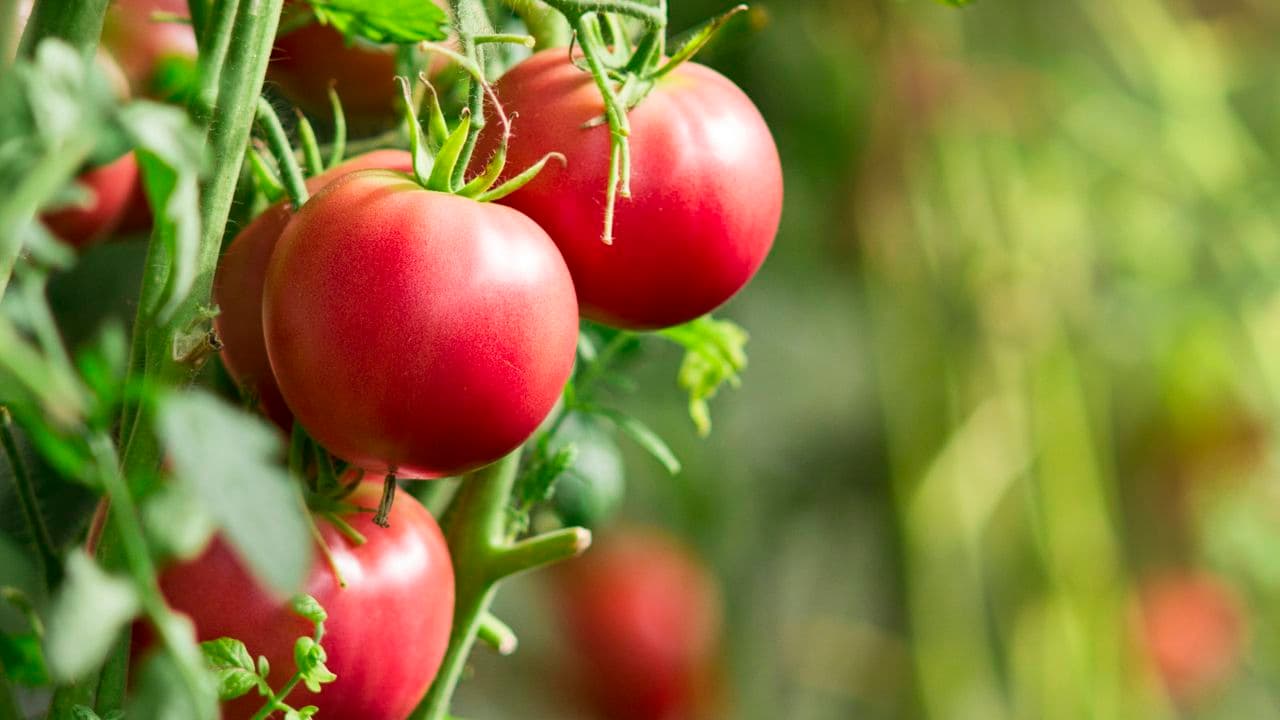
Why June Is the Most Important Month for Your Tomato Plants
June is a turning point in the tomato-growing calendar. The risk of frost is behind you, the soil is warming up nicely, and your plants are entering a phase of explosive growth. What you do — and don't do — during these critical early-summer weeks will directly determine how many tomatoes you harvest come August and September. Neglect your plants now, and you risk leggy stems, poor fruit set, and disease taking hold before summer even peaks. Give them the right attention in June, however, and you set yourself up for a genuinely outstanding harvest.
Whether you're growing in raised beds, containers, or open ground, these five early-summer jobs are non-negotiable for anyone serious about getting the most from their tomato plants.
1. Support Your Plants Before They Need It
By June, indeterminate tomato varieties — the kind that keep growing all season — can be putting on several inches of new growth each week. If you haven't already installed sturdy supports, now is the time to act, and you should do so before stems become heavy and vulnerable to snapping.
Wooden stakes, metal cages, or a well-anchored string trellis system all work well. The key is to get the support in place early so you can train stems as they grow rather than wrestling with a tangled plant later in the summer. When tying stems to stakes, use soft garden twine or purpose-made plant clips and leave a little slack so the stem can thicken without being constricted.
For container-grown tomatoes, check that your pot is heavy enough to keep tall plants stable on windy days. A top-heavy plant in a lightweight pot is a recipe for disaster once fruit starts to develop.
2. Prune Side Shoots (Sucker Removal) Regularly
One of the most impactful things you can do for indeterminate tomatoes in June is to remove suckers — the small shoots that sprout in the junction between the main stem and a side branch. Left unchecked, these suckers grow into full branches, creating a bushy plant that directs enormous amounts of energy into foliage rather than fruit.
Pinch suckers out when they are small, ideally no longer than an inch or two. At this size, you can simply snap them off cleanly with your fingers. Larger suckers should be cut with a clean, sharp knife or pair of scissors to avoid tearing the plant tissue and leaving it open to infection.
It is worth noting that determinate (bush) varieties do not benefit from aggressive suckering — in fact, removing too many shoots from these plants can reduce your yield. If you are unsure which type you are growing, check the seed packet or plant label before pruning.
3. Feed With the Right Nutrients at the Right Time
June marks the transition from leafy vegetative growth to flowering and early fruit development, and your feeding programme should reflect that shift. Early in the season, plants benefit from a nitrogen-rich feed to support strong stem and leaf growth. But once flowers begin to appear — which for many gardeners happens right around early June — it is time to switch to a fertiliser higher in potassium and phosphorus.
A liquid tomato feed, applied every one to two weeks, is one of the simplest and most effective approaches. These products are widely available and are formulated specifically to encourage flowering, fruit set, and flavour development. Look for a feed with an NPK ratio that emphasises potassium, such as a 4-5-8 or similar formulation.
Avoid the temptation to over-feed with nitrogen at this stage. Too much nitrogen in June encourages lush, leafy growth at the expense of flowers and fruit, and can also make plants more attractive to aphids.
4. Water Consistently to Prevent Blossom End Rot and Splitting
Irregular watering is one of the most common causes of tomato problems, including blossom end rot — the dark, sunken patch that appears at the base of developing fruit — and skin splitting, which happens when a dry spell is followed by a sudden heavy watering or rainfall. Both issues are largely preventable with a consistent watering routine.
Aim to keep the soil evenly moist rather than allowing it to dry out completely between waterings. In warm June weather, container-grown plants may need watering once or even twice daily. Plants in the ground are more forgiving, but still benefit from deep, regular watering at the base of the plant rather than a light daily sprinkle.
- Water at the base of the plant, not over the leaves, to reduce the risk of fungal disease.
- Apply a thick layer of mulch — straw, garden compost, or wood chip — around the base of each plant to help retain soil moisture and regulate temperature.
- If you garden in a dry climate or tend to forget watering, consider installing a simple drip irrigation system connected to a timer.
5. Scout for Pests and Disease Early
June is also the time when common tomato pests and diseases begin to make their presence felt. Catching problems early — before they spiral into a full-blown infestation or infection — makes all the difference to the health of your crop.
Check the undersides of leaves regularly for aphids, which tend to cluster on new growth. A strong jet of water from a hose will dislodge small colonies, and encouraging natural predators like ladybirds and lacewings into your garden provides ongoing biological control. Whitefly can also become a nuisance in June, particularly for plants grown under cover — yellow sticky traps are a useful monitoring and control tool.
On the disease front, keep an eye out for early signs of blight, which typically appears as dark, water-soaked patches on leaves or stems. Good airflow around plants — achieved partly through the suckering described above — goes a long way toward preventing blight from taking hold. Remove and dispose of any affected leaves promptly, and never compost diseased plant material.
A Quick June Tomato Checklist
- Install or reinforce supports for all plants, especially fast-growing indeterminate varieties.
- Remove suckers on indeterminate types every five to seven days.
- Switch to a high-potassium liquid feed once flowers appear.
- Water deeply and consistently, and apply mulch to retain moisture.
- Inspect plants twice weekly for pests and early signs of disease.
Set Yourself Up for a Bumper Harvest
The effort you invest in your tomato plants during June pays dividends throughout July, August, and beyond. None of these five tasks requires specialist equipment or advanced gardening knowledge — just a little time, consistency, and attention to what your plants are telling you. Stay on top of support, pruning, feeding, watering, and pest control now, and you will be rewarded with an abundance of flavourful, sun-ripened tomatoes that make every bit of effort worthwhile.