
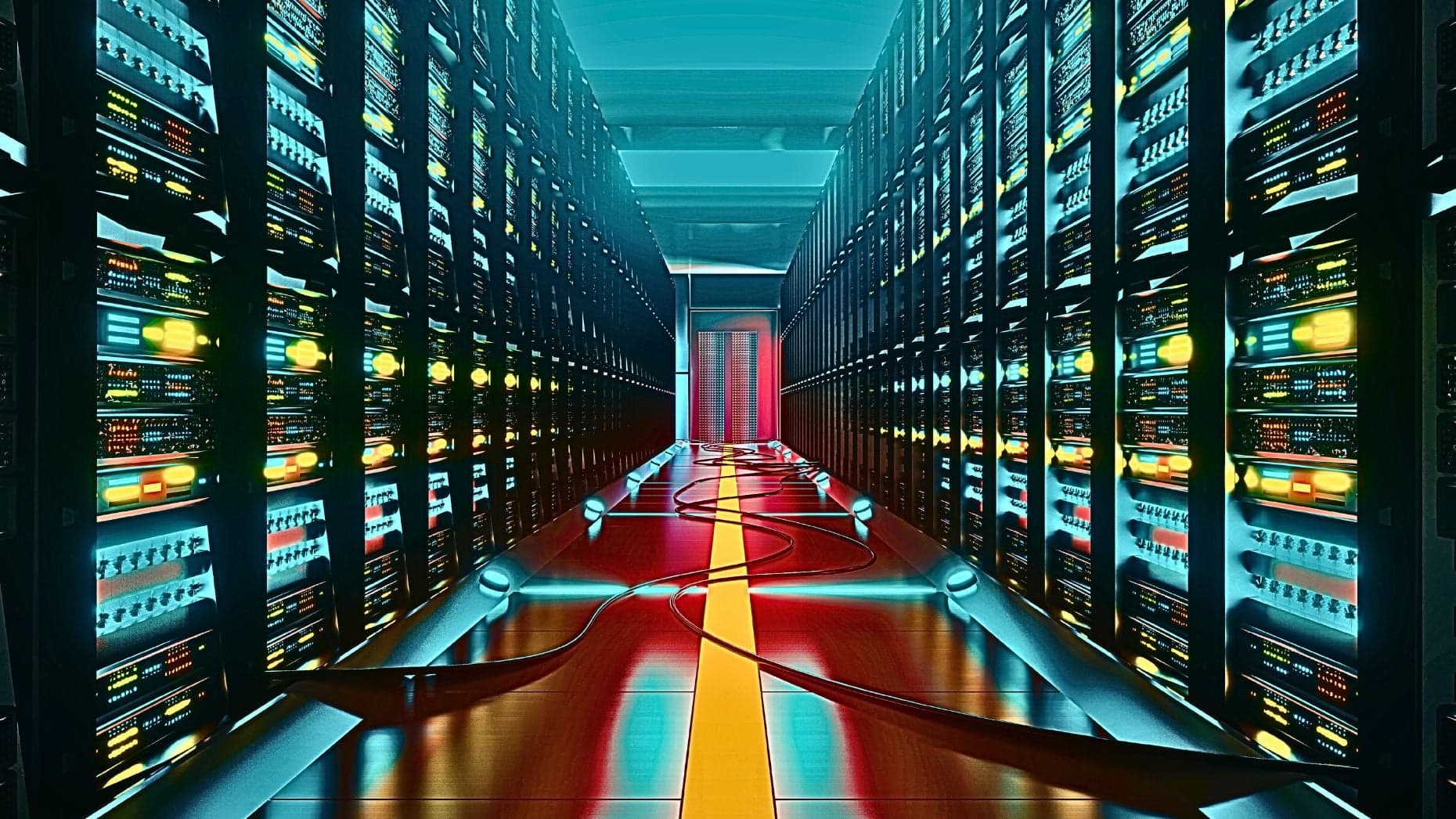
Data Centers Are Moving In — And Your Clients Are Noticing
Not long ago, data centers were invisible infrastructure — massive, humming warehouses tucked away in industrial parks far from where people lived and raised families. That era is ending. Driven by the explosive growth of cloud computing, artificial intelligence, and streaming services, data centers are now moving into suburban and even residential neighborhoods at a pace that few anticipated. And as they do, real estate agents across the country are fielding a new kind of question from buyers and sellers alike: "What does that data center down the street mean for my property?"
It is a fair question, and it deserves a thoughtful, well-informed answer. How you respond can shape a client's trust in you, the outcome of a transaction, and your professional reputation. Here is how real estate professionals should approach these conversations.
Why Data Centers Are Expanding Into Neighborhoods
To answer your clients well, you first need to understand why this is happening. The global demand for data processing has skyrocketed. Artificial intelligence applications alone require enormous amounts of computing power, and that power needs to live somewhere. Tech companies and real estate investment trusts have been acquiring large tracts of land — including parcels adjacent to residential communities — to build these facilities as quickly as possible.
Zoning laws have not always kept pace with this expansion. In many jurisdictions, data centers have been permitted in zones that were once reserved for light industry or mixed use, placing them much closer to homes, schools, and parks than residents expected. The result is a growing number of communities grappling with noise, visual impact, water usage concerns, and questions about electromagnetic fields — all of which eventually find their way to your desk.
The Most Common Questions Clients Will Ask
Before walking into a listing presentation or a buyer consultation in an area with a nearby data center, prepare yourself for the questions that are most likely to come up.
- Will the data center hurt my home's value? This is the central concern. The honest answer is that research is still emerging, and results vary significantly based on the size of the facility, its distance from homes, how well it is buffered from the surrounding neighborhood, and local market conditions. Some studies suggest minimal impact; others point to modest depreciation for homes immediately adjacent to large industrial-scale facilities. Do not overstate certainty in either direction.
- Is it safe to live near a data center? In general, data centers do not pose direct health hazards under normal operating conditions. They use large amounts of electricity and generate significant heat, which is managed by cooling systems. However, some facilities use diesel backup generators that can produce air quality concerns during extended outages or testing. Directing clients to local environmental disclosures and municipal air quality reports is a responsible step.
- What about the noise? Cooling systems — particularly large HVAC units and cooling towers — can generate consistent, low-frequency noise. Whether this is a significant issue depends heavily on the distance from the property and any sound barriers between the facility and the home. Encourage clients to visit the property at different times of day before making a decision.
- Will more data centers be built nearby? This requires research into local zoning ordinances and any approved or pending permits in the area. Your local planning department can be a valuable resource here, and staying current on this information is part of being a competent neighborhood expert.
How to Position Yourself as a Trusted Resource
The worst thing a real estate professional can do when a client raises a concern about a nearby data center is to minimize or dismiss it. Telling a buyer "Oh, it's fine, those things are everywhere now" signals that you are not taking their concern seriously — and it may not even be accurate. Equally damaging is catastrophizing the situation without evidence, which can kill a deal that might otherwise have served your client well.
The strongest position you can take is that of an informed, neutral guide. This means doing the work ahead of time. Research the specific facility: Who owns it? When was it built or approved? What permits govern its operation? Are there any noise complaints or regulatory actions on file? Municipal records, local news archives, and planning department websites can all be valuable sources.
You should also be transparent about what you do not know. If a client asks whether a proposed expansion of the facility will affect future property values, it is entirely appropriate — and professionally sound — to say, "That is something I want to get accurate information on before I give you an answer." Then follow through.
Disclosures, Liability, and Your Legal Obligations
This is a critical area where real estate professionals must tread carefully. Disclosure obligations vary by state, but as a general principle, if you are aware of a material fact that could affect a buyer's decision, you have an ethical and often legal responsibility to disclose it. A large data center under construction next door almost certainly qualifies as a material fact. Work with your broker and, when necessary, an attorney to understand exactly what your disclosure obligations are in your market.
Document your disclosures. Keep records of every conversation in which you shared information about the facility with your client. This protects you if questions arise later about what was communicated.
Turning a Difficult Conversation Into a Competitive Advantage
Here is an often-overlooked opportunity: agents who become true neighborhood experts on data center-adjacent properties will stand out in markets where these facilities are proliferating. By building relationships with local planning officials, attending community meetings about proposed data centers, and staying current on research about their neighborhood impact, you position yourself as the go-to professional in a niche that is only going to grow.
Clients remember agents who gave them honest, helpful information during moments of uncertainty. When you handle the data center conversation with transparency, preparation, and genuine care for your client's interests, you are not just closing a transaction — you are building the kind of trust that generates referrals for years to come.
The Bottom Line
Data centers are becoming a permanent feature of the American landscape, and the real estate professionals who thrive will be the ones who lean into that reality rather than hoping clients won't bring it up. Know the facts, respect the concern, do the research, and be honest about uncertainty. That approach will serve your clients — and your career — far better than any scripted dismissal ever could.