
What Zillow's Economist Doesn't Want You to Know
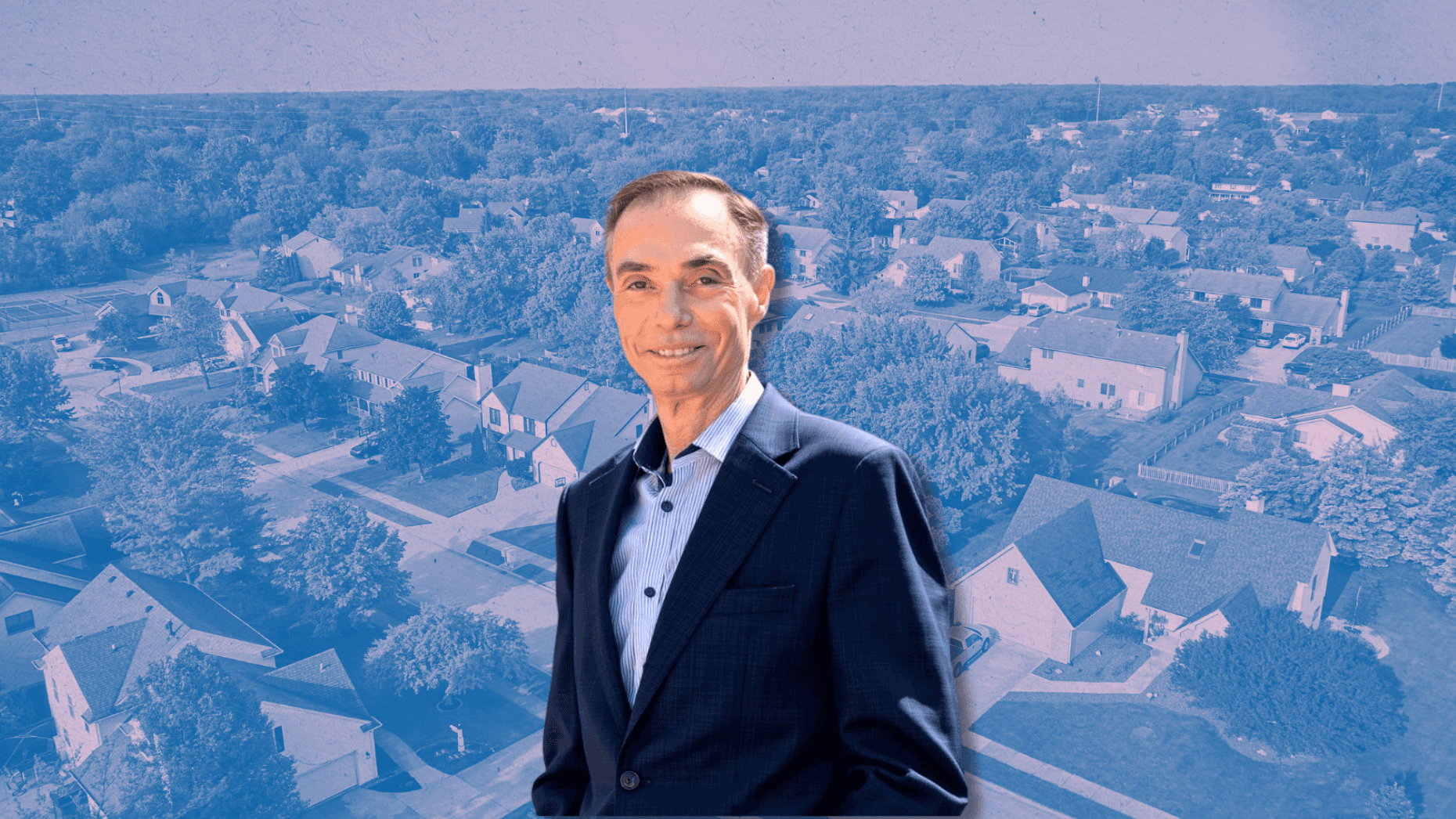
When a company employs its own economist to publish opinion pieces defending its business practices, it pays to ask a fundamental question: who is that economist actually working for? In a sharp and well-reasoned rebuttal, real estate industry veteran Greg Hague has pushed back hard against Zillow's chief economist Mischa Fisher, arguing that Fisher's public commentary obscures a far more troubling reality — one where Zillow's growing dominance quietly chips away at the very transparency and affordability it claims to champion.
For everyday homebuyers and sellers, understanding what is really going on behind the polished press releases and favorable statistics could mean the difference between a fair deal and a costly mistake. Here is what Zillow's economist would prefer you didn't think too hard about.
The Opinion Piece That Started the Debate
Mischa Fisher, Zillow's in-house economist, authored an opinion piece that, on its surface, presented Zillow as a force for good in the housing market — a technology-driven platform leveling the playing field for consumers and bringing much-needed data transparency to an otherwise murky industry. It was a compelling narrative, well-written and backed by selectively framed data points.
Greg Hague wasn't buying it. With decades of experience in real estate, Hague identified what he sees as fundamental contradictions between Zillow's stated mission and its actual business behavior. His response wasn't a personal attack on Fisher — it was a methodical dismantling of the argument that Zillow operates primarily in the consumer's best interest.
How Zillow Undermines Transparency (Despite Claiming the Opposite)
One of Zillow's most celebrated features is its "Zestimate" — an algorithmic home valuation tool that millions of consumers rely on when assessing whether a home is priced fairly. Zillow markets this tool as an empowering resource for buyers and sellers. Hague, however, argues that Zestimates can be wildly inaccurate and that Zillow knows this, yet continues to present them in a way that inspires unwarranted confidence.
When a buyer walks into a negotiation anchored to a Zestimate that may be off by tens of thousands of dollars, that isn't transparency — that is misinformation dressed up in a user-friendly interface. Zillow has faced legal challenges and widespread industry criticism over the reliability of its valuations, yet the tool remains front and center in the platform's consumer-facing product.
Furthermore, Hague points to the structural conflict of interest baked into Zillow's business model. Zillow profits by selling leads back to the very real estate agents whose listings it hosts. This creates a system where the platform that appears to be helping you find a home is simultaneously monetizing your search behavior and routing you toward agents who have paid for the privilege of your attention — not necessarily the agents best qualified to serve your needs.
The Affordability Question Zillow Doesn't Want to Answer
Fisher's opinion piece touched on housing affordability, positioning Zillow as part of the solution to a national crisis. Hague's rebuttal challenges this framing directly. If Zillow were truly committed to affordability, he argues, it would not be operating in ways that add friction and cost to real estate transactions rather than reducing them.
Consider Zillow's foray into iBuying with Zillow Offers — a program the company eventually shut down after sustaining massive financial losses. During its operation, critics noted that Zillow's algorithmic purchasing model contributed to artificial price inflation in certain markets, driving up values in ways that made homeownership less attainable for ordinary buyers. When the model failed, it was ordinary market participants — not Zillow — who were left navigating the fallout.
The bigger picture, as Hague sees it, is that Zillow's scale gives it the power to shape market narratives in ways that serve its revenue model. A platform that benefits financially from high transaction volumes and high home prices is not structurally incentivized to advocate for lower prices or fewer transactions, regardless of what its economist says in published editorials.
Why Consumers Need to Think Critically About Zillow's Messaging
None of this means Zillow is without value. For many consumers, it remains a convenient starting point for property research. But there is an important difference between using a tool and trusting the agenda of the company that built it.
Hague's pushback against Fisher's opinion piece is a reminder that in the modern information landscape, data can be used to inform or to persuade — and the line between the two is often drawn by whoever is funding the analysis. When a company's chief economist writes public opinion pieces praising that same company's impact on the industry, readers deserve a healthy degree of skepticism.
What Real Transparency in Real Estate Looks Like
Genuine transparency in real estate means giving buyers and sellers access to unfiltered information — accurate valuations, clear disclosure of agent relationships, honest accounting of platform fees, and open access to market data that hasn't been curated to support a corporate growth narrative.
It means empowering consumers to make informed choices rather than routing them through monetized funnels under the guise of helpfulness. And it means that when economists write publicly about market conditions, readers know whether those economists are independent voices or brand ambassadors operating under a corporate mandate.
The Bottom Line
Greg Hague's challenge to Mischa Fisher's opinion piece is more than an industry disagreement — it is a call for consumers to look past the polished branding of platforms like Zillow and ask harder questions about whose interests are truly being served. In a housing market already strained by affordability pressures and information asymmetry, that kind of critical thinking isn't just useful. It's essential.
The next time you read a reassuring op-ed from a tech company's in-house economist, remember: the most important things to know are often precisely the things that economist isn't telling you.