
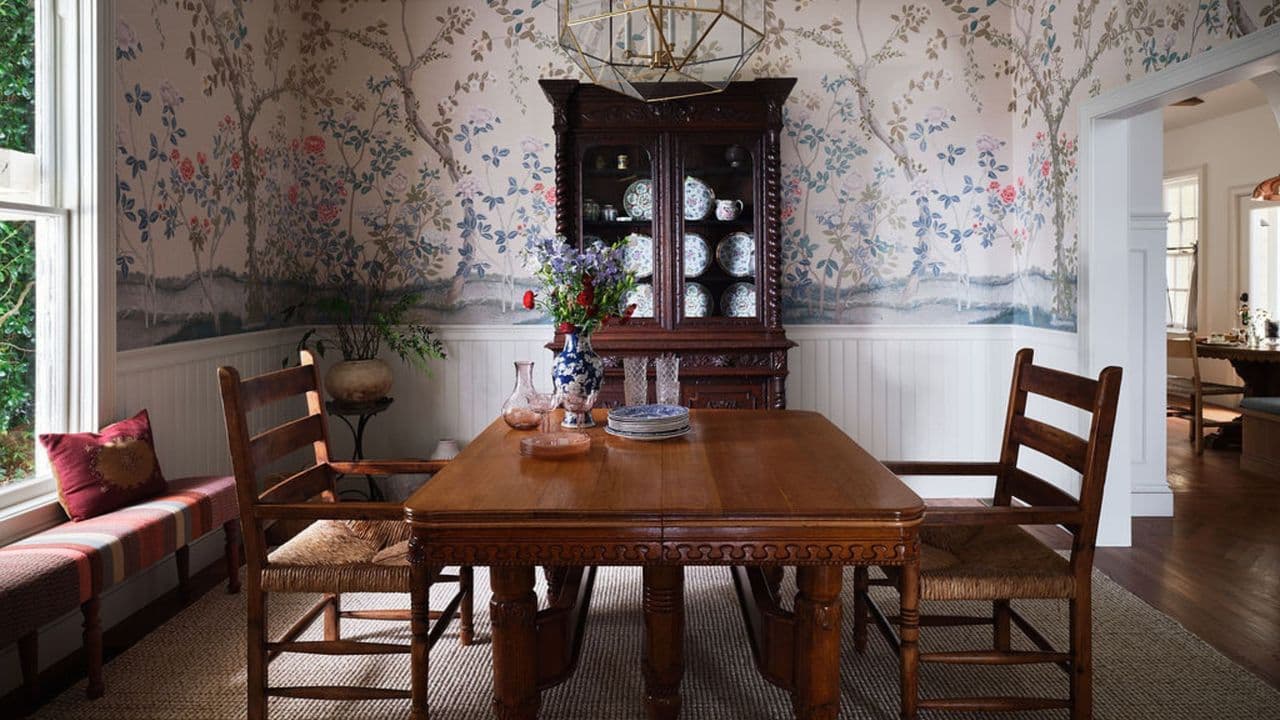
When History Almost Disappeared: Restoring an 1878 Home After Fire and Decades of Misguided Renovations
Some homes carry stories etched into every beam, every plaster wall, and every hand-carved detail. The 1878 Victorian home at the center of this remarkable restoration journey is one of them. After surviving a devastating fire that stripped away much of its original soul, the house endured something arguably worse — decades of well-intentioned but architecturally misguided renovations that pushed it further from the character it was built with. Now, after a painstaking and passionate restoration effort, this nearly 150-year-old home has finally been brought back to life in a way that honors its extraordinary heritage.
A Home Built to Last — And the Fire That Tested That Promise
Constructed in 1878, this Victorian-era residence was built during a period when American craftsmanship was at a remarkable peak. Builders of that era took pride in intricate millwork, steep decorative gables, tall narrow windows, ornate cornices, and richly detailed interiors that spoke of permanence and pride. Homes like this one weren't built to be replaced — they were built to be inherited.
When fire tore through a significant portion of the structure, it didn't just cause physical damage. It erased irreplaceable handcrafted details that no insurance check could truly replace. Original woodwork, period-specific trim profiles, plaster medallions, and decades of carefully applied layered finishes were gone in a matter of hours. What remained was a structurally compromised shell of something that had once been genuinely beautiful.
The Problem with "Fixing" Historic Homes the Wrong Way
In the aftermath of the fire, the home underwent a series of repairs and renovations that, while practical at the time, progressively diluted its Victorian identity. This is a deeply common story in the world of historic preservation. When older homes suffer damage, the instinct is understandably to repair quickly and affordably rather than authentically. The result, repeated over decades, is a kind of architectural erosion.
In this home's case, the damage accumulated across several renovation phases:
- Original wood windows were replaced with standard aluminum or vinyl units that bore no relationship to the home's proportions or period detailing.
- Ornate exterior trim was removed and replaced with plain, flat boards — easier to source but completely at odds with the Victorian aesthetic.
- Interior plasterwork was patched or replaced with smooth drywall, eliminating the tactile richness that historic plaster provides.
- Period-appropriate hardware, fixtures, and built-ins were swapped out for contemporary alternatives that created jarring visual discontinuity throughout the home.
- Exterior paint choices moved away from the historically accurate multi-tone palettes that Victorian homes are celebrated for.
Each individual change might have seemed minor at the time. Collectively, they transformed a rare architectural survivor into something that barely hinted at its origins. For anyone who cares about historic preservation, this kind of gradual character loss can be just as heartbreaking as the fire itself.
The Restoration: Going Back to Get It Right
The turning point came when new owners — deeply committed to the home's history — decided that cosmetic updates were not enough. They wanted a full restoration that would reverse decades of compromise and return the house to something approaching its 1878 character. That meant research, patience, skilled craftspeople, and a willingness to make decisions based on historical accuracy rather than convenience or cost alone.
The restoration team began with exhaustive historical research. Old photographs, county records, period pattern books, and comparable surviving structures in the region were all consulted to understand what the home originally looked like. This kind of documentary groundwork is essential in serious historic restorations — it's the difference between authentic revival and educated guesswork.
Exterior Revival
On the exterior, craftsmen recreated the missing Victorian millwork using period-appropriate profiles sourced from specialty millwork suppliers who still produce historically accurate moldings and trim. The replacement windows were custom-built to match the original proportions and glazing patterns, a critical detail since windows define a home's face more than almost any other element. The exterior was repainted using a researched Victorian color palette, bringing back the layered, polychromatic appearance that makes these homes so visually striking.
Interior Authenticity
Inside, the restoration was equally thorough. Plaster walls and ceilings were repaired using traditional lime plaster techniques wherever possible, preserving the slight undulation and warmth that only real plaster can provide. Original hardwood floors were uncovered, repaired, and refinished. Period-appropriate light fixtures, hardware, and built-in cabinetry details were sourced or custom fabricated to match what would have existed in a home of this age and regional style.
Why Historic Home Restoration Matters Beyond Aesthetics
Stories like this one are about far more than one beautiful house. They speak to a broader cultural and environmental argument for preservation over demolition or careless renovation. Restoring an existing historic home is, in many cases, far more sustainable than new construction — the embodied energy already invested in the structure, materials, and craftsmanship represents a resource that deserves to be honored rather than discarded.
Historic homes also anchor neighborhoods with a sense of continuity and identity that new construction rarely replicates. When a well-preserved Victorian survives on a block, it raises the architectural conversation for every property around it. Communities with intact historic housing stock consistently show stronger cultural identity and often higher long-term property values as a result.
A Living Legacy, Finally Respected
After nearly 150 years of use, a traumatic fire, and decades of architectural drift, this 1878 home has finally been given what it always deserved — a restoration as serious and skilled as the craftsmanship that originally built it. It stands today as proof that with enough dedication, knowledge, and respect for the past, even a heavily compromised historic home can be brought back to life. For preservationists, homeowners considering restoration projects, and anyone who simply loves old houses, this story is both an inspiration and a reminder: the original character of a historic home is always worth fighting for.