
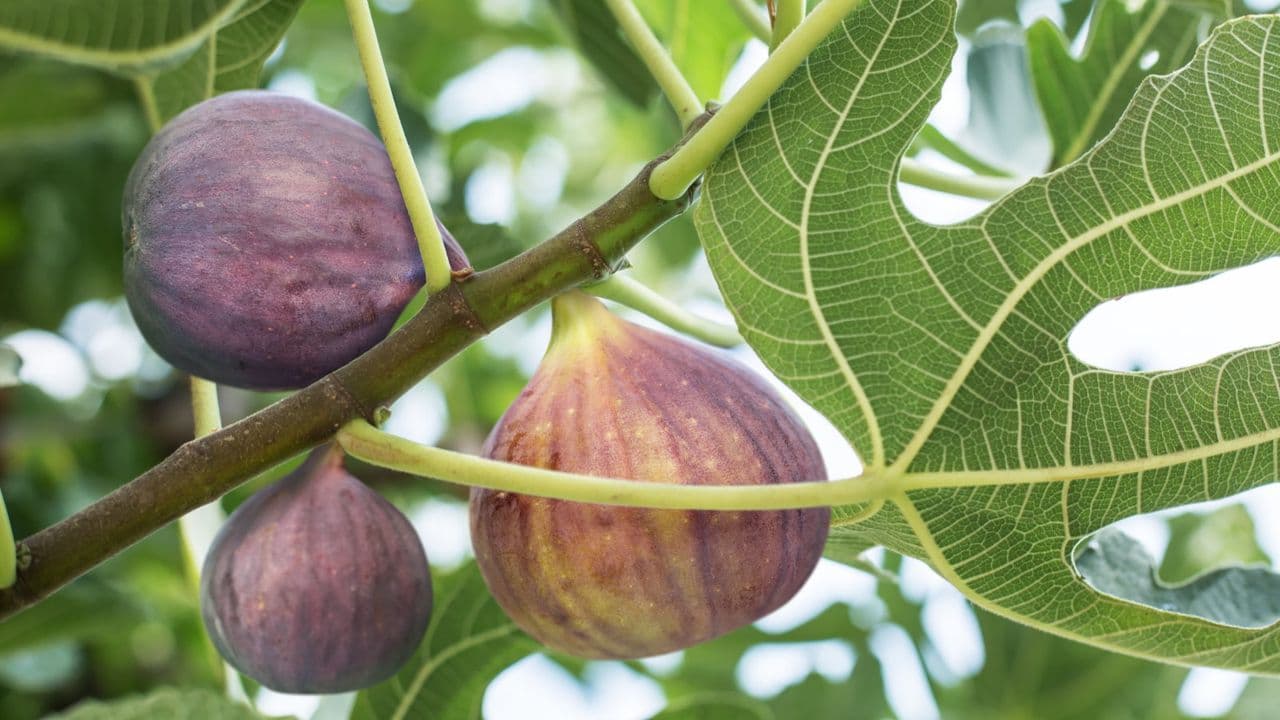
Why Your Fig Tree Isn't Producing Enough Fruit (And How to Fix It)
Few things in a home garden are as rewarding as reaching up into the broad, sun-warmed leaves of a fig tree and pulling down a perfectly ripe, honey-sweet fig. Yet for many gardeners, that dream remains frustratingly out of reach. The tree grows, the leaves spread wide, and yet the fruit either never comes, drops early, or arrives in disappointingly small numbers.
The good news is that a lackluster fig harvest is almost never a sign of a dying or diseased tree. In the vast majority of cases, it simply comes down to a handful of overlooked care tasks that, once corrected, can transform your tree from a leafy ornamental into a prolific fruit machine. In this article, we break down the three essential tasks that separate a fruit-laden fig tree from one that barely produces. Apply these before the peak of summer and you will be astonished by the results.
Understanding the Fig Tree Before You Begin
The common fig (Ficus carica) is one of the oldest cultivated plants in human history, valued for thousands of years precisely because it is generous and relatively undemanding. It thrives in warm, dry climates, loves full sun, and handles drought far better than most fruit trees. However, "undemanding" does not mean "neglect-proof." Without a minimum of structured care, the fig tree will prioritize vegetative growth — all that lush green foliage — over fruit production.
The three tasks outlined below work by redirecting the tree's energy away from unnecessary growth and toward the one thing you actually want: a heavy, sweet crop of figs. Think of it as a conversation with the tree. You are simply helping it understand where its resources are most needed.
Task 1: Strategic Pruning at the Right Time of Year
Pruning is the single most impactful thing you can do for your fig tree's productivity, and it is also the most commonly misunderstood. Many gardeners either skip it entirely or prune at the wrong time, inadvertently cutting off the very wood that would have carried this season's fruit.
Fig trees produce fruit on two types of growth. The first is called the breba crop, which develops on last year's wood in early summer. The second, and usually larger, main crop develops on the current season's new growth in late summer and early autumn. To protect both harvests, you need to prune with precision.
The ideal window for pruning is late winter or very early spring, just before the tree breaks dormancy. At this point, you can clearly see the tree's structure without the distraction of leaves, making it much easier to identify which branches to remove.
- Remove all dead, damaged, or crossing branches first. These drain energy without contributing to the harvest.
- Cut back any branches that are growing inward toward the center of the canopy. Airflow and light penetration are critical for fruit development and disease prevention.
- Shorten excessively long branches by roughly one-third. This encourages the tree to push new lateral growth, which will carry the main summer crop.
- If your tree is very old and overgrown, consider a more aggressive renovation prune every three to four years to reset its structure entirely.
One pro tip worth emphasizing: always use clean, sharp tools. Fig trees produce a milky latex sap that can spread disease between cuts if your blades are not sterilized between uses. A quick wipe with isopropyl alcohol is all it takes.
Task 2: Feeding With the Right Nutrients at the Right Moment
Fig trees are not heavy feeders, and this is another area where well-meaning gardeners often go wrong. Throwing large quantities of high-nitrogen fertilizer at a fig tree sends a very clear signal: grow leaves, not fruit. Nitrogen is the nutrient responsible for lush, green vegetative growth, and while a little is necessary, too much will give you a gorgeous-looking tree that stubbornly refuses to set fruit.
For an abundant harvest, you need to shift the nutritional balance in favor of phosphorus and potassium, the nutrients that support root development, flowering, and fruit formation.
- In early spring, as new growth begins, apply a balanced fertilizer with a moderate nitrogen level, something in the range of 8-8-8 or 10-10-10, to give the tree a gentle boost out of dormancy.
- As the season moves into late spring and the first fruitlets begin to appear, switch to a low-nitrogen, high-potassium feed. Tomato fertilizers work exceptionally well here because they are specifically formulated for fruiting plants.
- Stop fertilizing entirely by midsummer. Late feeding can encourage soft new growth that won't harden before winter and may reduce next year's breba crop.
Organic options such as well-rotted compost, wood ash, and seaweed extract are excellent complements to any feeding schedule. Wood ash in particular is a natural source of potassium and can be scratched lightly into the soil around the base of the tree in spring for a gentle, slow-release effect.
Task 3: Consistent and Intelligent Watering
Of all the factors that cause fig fruit to drop prematurely or fail to ripen properly, irregular watering is the most common. The fig tree is drought-tolerant once established, but that tolerance does not mean it prefers dry conditions during the critical period of fruit development. What it cannot tolerate is wild swings between bone-dry soil and sudden waterlogging.
The goal is consistent, deep moisture throughout the growing season, with a deliberate wind-down as the fruit approaches maturity.
- Water deeply but infrequently. Allow the top inch or two of soil to dry out between waterings, then soak the root zone thoroughly. This encourages roots to grow downward in search of moisture, making the tree more resilient overall.
- Increase watering frequency slightly during the hottest weeks of summer when the tree is carrying a heavy fruit load. A stressed tree will drop fruit to protect itself.
- As figs begin to soften and change color in their final stage of ripening, reduce watering. Excess water at this stage dilutes the sugars in the fruit and can cause splitting.
- Apply a thick layer of organic mulch — straw, wood chips, or bark — around the base of the tree. This moderates soil temperature, retains moisture, and dramatically reduces how often you need to water.
Bringing It All Together for Your Best Summer Harvest Yet
The secret to a fruit-laden fig tree is not complicated chemistry or specialist equipment. It comes down to working with the tree's natural rhythms rather than against them. Prune in late winter to shape the structure and protect fruiting wood. Feed in sync with the growth cycle, emphasizing potassium over nitrogen as fruiting season approaches. Water consistently and deeply, then ease off as the figs ripen to concentrate their sweetness.
Apply these three tasks with a little patience and timing, and the transformation can be remarkable — sometimes within a single growing season. Your fig tree has the potential to be one of the most generous plants in your garden. Give it the right guidance, and this summer it will repay you in the sweetest possible way.