
The 30% Rent Rule: A Golden Standard or an Outdated Myth?
For decades, the 30% rent rule has been one of the most cited pieces of personal finance advice in America. The concept is simple: spend no more than 30% of your gross monthly income on housing, and you should have enough left over to cover everything else — groceries, transportation, utilities, savings, and emergencies. It sounds clean, logical, and easy to apply. The problem? For millions of American renters today, it simply does not hold up.
Rising housing costs, stagnant wage growth, and a post-pandemic inflation surge have quietly made the 30% rent rule more of a fantasy than a financial framework. If you are still budgeting your rent based on this decades-old guideline, it may be time to reconsider your entire approach to housing affordability.
Where Did the 30% Rent Rule Come From?
The 30% rent rule did not emerge from a financial guru or a bestselling money book. It actually traces its roots back to federal housing affordability guidelines established by the U.S. government. Policymakers used the 30% benchmark as a way to gauge whether a household's housing costs were at a reasonable level relative to their income. Over time, the rule trickled down into everyday personal finance culture, and today, landlords, rental platforms, and "how much rent can I afford" calculators all lean on it as a default affordability measure.
While the intention behind the rule was practical and well-meaning, the economic landscape it was designed for looks nothing like the one renters face in 2024. The rule was built on assumptions about income levels, cost-of-living ratios, and housing markets that no longer reflect current reality for the average American household.
The Numbers Don't Lie: Rent Has Surged Far Beyond Wage Growth
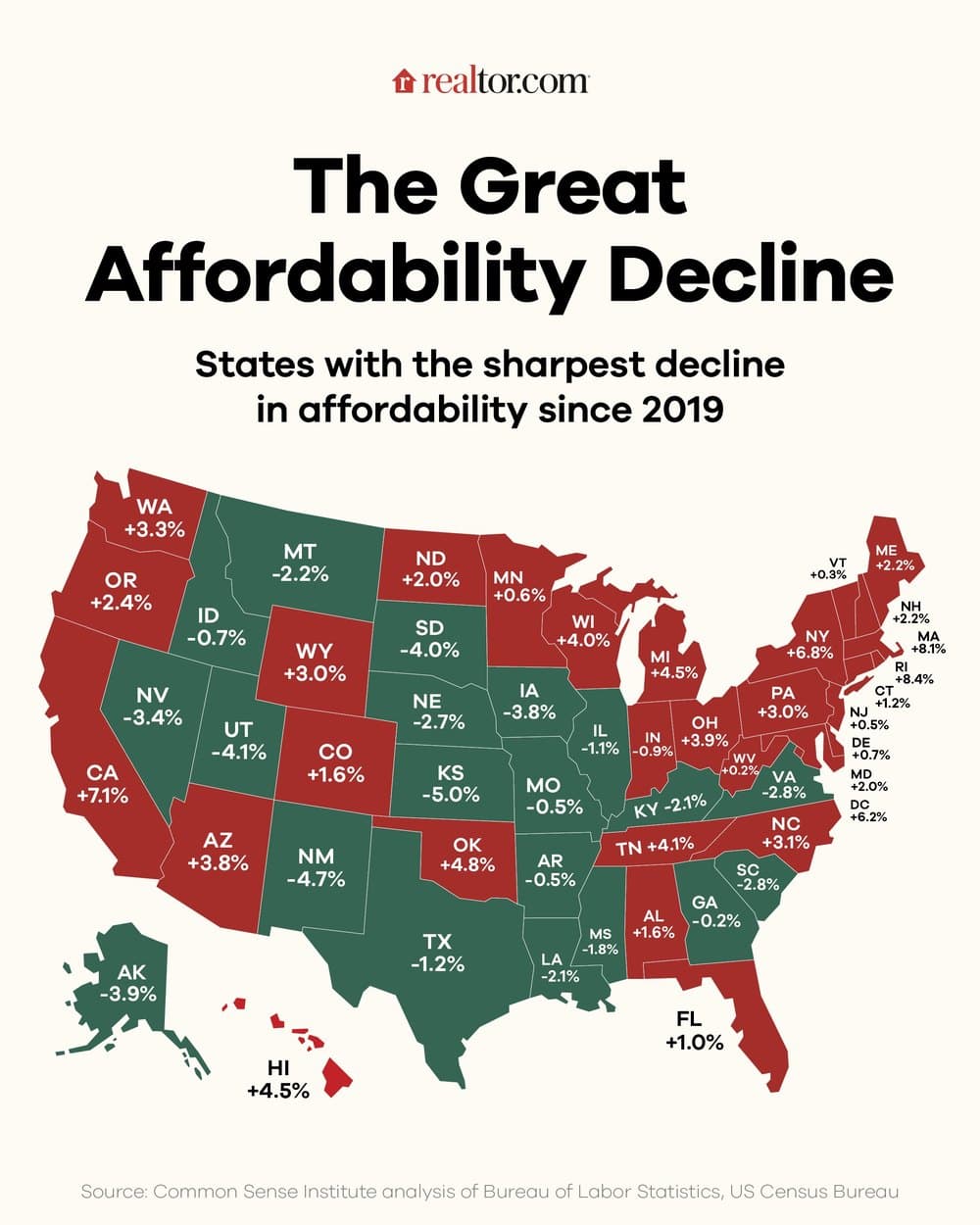
One of the most compelling reasons to question the 30% rule is the sheer data behind rent increases in recent years. According to the latest rental market report, the median asking rent across the 50 largest U.S. metros reached $1,686 per month — a staggering $248 increase, or 17.2%, above pre-pandemic levels. That is not a small adjustment. That is a structural shift in the cost of renting in America.
Meanwhile, wage growth for the average American worker has not come close to keeping pace with that increase. When rent climbs faster than paychecks, the math of the 30% rule starts to break down. A renter would need to earn roughly $67,440 per year in gross income for a $1,686 monthly rent to fall within the 30% threshold. That number is out of reach for a significant portion of the American workforce.
The Biggest Flaw: The Rule Uses Gross Income, Not Take-Home Pay
Beyond the rent-to-wage gap, there is a fundamental mechanical flaw in how the 30% rule is calculated. It is based on gross income — your earnings before taxes, health insurance premiums, retirement contributions, and any other deductions are taken out. But you do not pay rent with your gross income. You pay rent with your take-home pay.
Depending on your tax bracket, location, and benefits package, your actual take-home pay could be 20% to 35% lower than your gross income. That means a renter who earns $60,000 per year gross might only take home around $42,000 to $48,000 annually. If they spend 30% of their gross income on rent — about $1,500 per month — that rent could actually represent 37% to 43% of their real, spendable income. That is a very different story than the rule suggests.
Modern Budgets Are Far More Complex
Another dimension the 30% rule fails to account for is the complexity of modern financial life. When the rule was originally conceived, everyday expenses looked quite different. Student loan debt was not the widespread burden it is today. Childcare costs have exploded in recent decades. Subscription services, internet bills, and smartphone plans are now essential household expenses rather than luxuries. Healthcare premiums and out-of-pocket costs continue to climb year after year.
Certified financial planner and financial wellness speaker Linda Grizely puts it plainly: "I have seen people technically meet the 30% rule and still feel financially strained. The pressure isn't the rent alone; it's the combination of rent plus everything else in their financial life." Her observation highlights exactly why a single-metric rule cannot capture the full picture of what it means to afford housing in today's economy.
What Should Renters Do Instead?
Rather than relying blindly on the 30% rule, financial experts increasingly recommend a more holistic approach to evaluating housing affordability. Here are some practical strategies renters should consider:
- Use take-home pay as your baseline. Calculate 30% of your net income rather than your gross income for a more realistic picture of what you can comfortably afford each month.
- Apply the 50/30/20 budgeting framework. This model allocates 50% of take-home pay to needs (including rent), 30% to wants, and 20% to savings and debt repayment — giving you a broader view of financial health.
- Account for total housing costs. Rent is rarely your only housing expense. Factor in utilities, renters insurance, parking fees, and pet deposits when determining affordability.
- Build in a buffer for emergencies. A housing budget that leaves you with zero flexibility is not truly affordable, even if the percentage looks right on paper.
- Reassess regularly. Your income, expenses, and life circumstances change. What worked two years ago may not work today, especially given ongoing market volatility.
The Bottom Line on the 30% Rent Rule
The 30% rent rule is not inherently wrong, but it was designed for a simpler, more forgiving economic era. In an environment where rents have jumped 17% above pre-pandemic levels, wages have failed to keep pace, and everyday living costs continue to climb, treating this rule as a hard-and-fast guideline can lead renters into financial stress they did not see coming.
The smarter approach is to use the 30% rule as a starting point — not a finish line. Pair it with a realistic, comprehensive budget that accounts for your actual take-home pay, your full range of monthly expenses, and your long-term financial goals. Because at the end of the day, true housing affordability is not just about one percentage. It is about whether you can pay rent and still live your life without sinking.