
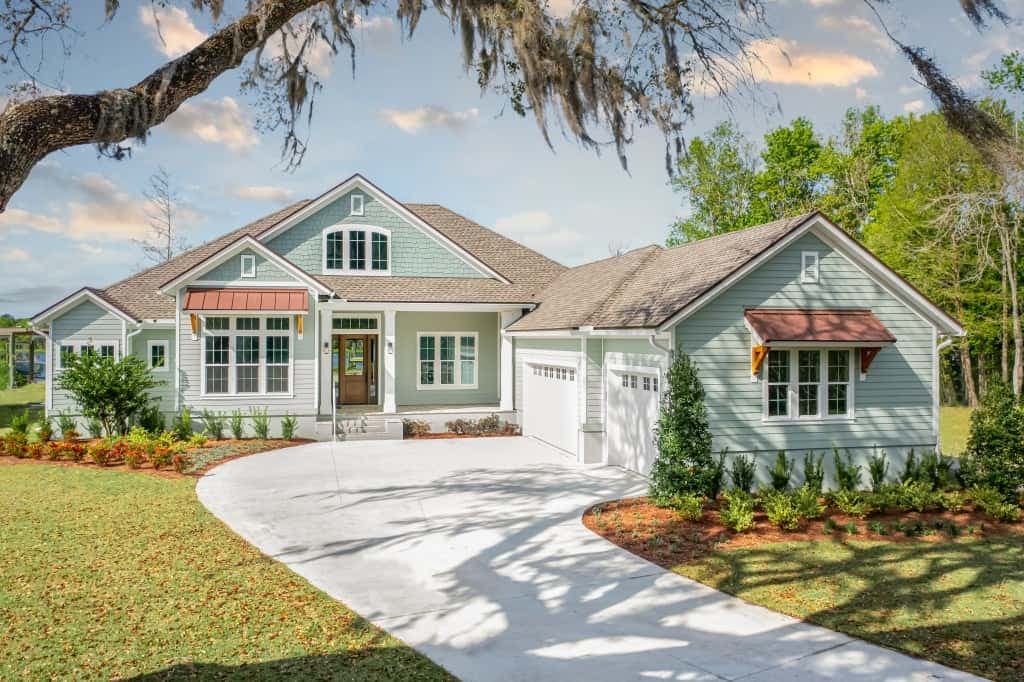
Spec Homes vs Custom Homes: Understanding Your New Construction Options
When you decide to buy a brand-new home — whether you're eyeing a development in Austin, Texas, or exploring new builds in Charlotte, North Carolina — one of the very first decisions you'll face is whether to purchase a spec home or commission a custom build. While both fall under the umbrella of new construction, they offer drastically different experiences, timelines, and levels of buyer involvement. Understanding those differences is essential before you sign anything or hand over a deposit.
This guide breaks down what each option really means, who each one is best suited for, and the critical factors you should weigh before making your decision.
What Is a Spec Home?
A spec home — short for "speculative home" — is a property that a builder constructs without a specific buyer in mind. The builder makes all of the major design choices upfront: the floor plan, exterior style, interior finishes, fixtures, and appliances. By the time the home hits the market, it is either already complete or well underway in construction.
The term "spec" reflects the builder's speculation that a buyer will come along and love the finished product. Because the builder absorbs all the creative decision-making risk, spec homes are often priced competitively and can move quickly — especially in hot real estate markets where move-in-ready inventory is scarce.
Spec homes are very common in planned subdivisions and master-planned communities, where a developer builds multiple similar homes across a neighborhood at the same time. Buyers sometimes have the opportunity to choose a few finishes if they purchase early enough in the construction process, but for the most part, what you see is what you get.
What Is a Custom Home?
A custom home is a property built entirely to the buyer's specifications, typically on a lot the buyer already owns or purchases separately. You work directly with an architect and a general contractor — or a design-build firm — to create a home from scratch. Every element, from the number of bedrooms to the type of countertops to the placement of windows, is determined by you.
Custom homes offer an unparalleled level of personalization, but they also require a much greater investment of time, energy, and money. The process typically spans 12 to 24 months or longer, depending on the complexity of the design, the permitting process in your area, and the availability of materials and labor.
For buyers who have a clear vision of their dream home and the financial flexibility to see it through, a custom build can be a deeply rewarding experience. For buyers who need to move quickly or want to avoid the complexities of managing a construction project, it can feel overwhelming.
Key Differences Between Spec Homes and Custom Homes
Timeline
Timeline is one of the most significant distinctions between the two options. A completed spec home can be purchased and occupied within weeks, much like buying a resale property. An early-stage spec home might take three to six months to finish. A custom home, on the other hand, rarely comes in under a year and frequently runs longer due to design revisions, permitting delays, and supply chain issues. If you're working with a hard deadline — perhaps a school year starting, a lease ending, or a job relocation — a spec home is far more predictable.
Cost and Budget Control
Spec homes typically come with a fixed, all-inclusive price. You know exactly what you're paying, which makes financing more straightforward. Custom homes carry a base contract price, but costs frequently escalate during construction as buyers upgrade finishes, modify plans, or encounter unexpected site conditions. Budget overruns of 10 to 20 percent are not uncommon in custom builds, so buyers need financial cushion beyond their initial estimate.
Design Control and Personalization
This is where custom homes shine without question. You choose every detail — the floor plan, ceiling heights, cabinetry style, flooring material, bathroom tile, outdoor living spaces, and more. A spec home offers little to no design input, particularly if it is already complete. Some builders do allow buyers to select from a limited palette of finishes if they purchase early enough, but the structural layout and major design decisions are already locked in.
Location and Lot Selection
Custom homes give you full flexibility to build on the lot of your choice, whether that's a wooded rural parcel, a lakefront property, or an infill lot in an established urban neighborhood. Spec homes, by contrast, are tied to specific locations — typically within a builder's planned development. You don't get to choose your lot independently; you choose from whatever the builder has available.
Pros and Cons at a Glance
- Spec Home Pros: Faster move-in, predictable pricing, lower stress, easier financing, no builder management required.
- Spec Home Cons: Limited personalization, you may inherit design choices you don't love, less flexibility on location.
- Custom Home Pros: Complete design control, built exactly to your lifestyle, choice of lot and location, potentially higher long-term value if well-designed.
- Custom Home Cons: Longer timeline, higher costs with potential for overruns, requires significant time investment in planning and oversight, more complex financing.
Financing Differences to Know
Financing a spec home works much like financing any standard home purchase. You apply for a traditional mortgage, get approved, and close once construction is complete or when you purchase the finished product. Financing a custom home is more complicated. You'll typically need a construction loan, which converts to a permanent mortgage once the home is built. These loans are harder to qualify for, often carry higher interest rates, and require a more detailed approval process. If you're a first-time buyer or have a more modest down payment, a spec home is usually the more accessible path.
Who Should Buy a Spec Home?
A spec home is likely the better fit if you need to move within a specific timeframe, prefer a straightforward transaction, are buying in a market with strong new-construction inventory, or simply don't want the stress of managing a design-build project. It's also a smart choice for buyers who are comfortable with modern builder-grade finishes and floor plans, which are typically designed with broad appeal in mind.
Who Should Build a Custom Home?
A custom home makes more sense if you have a very specific vision for how you want to live, own or plan to purchase a particular lot, have the financial flexibility to absorb cost overruns, and have the time to invest in the design and construction process. It's also a strong option if you're building in an area where spec inventory doesn't match your lifestyle needs — for example, if you need an accessible home, a multigenerational layout, or a highly energy-efficient design that standard builders don't offer.
The Bottom Line
Both spec homes and custom homes represent exciting paths to new construction homeownership, but they serve very different buyers. The right choice comes down to your timeline, budget, appetite for involvement, and how important design personalization is to you. Before committing to either route, talk to a knowledgeable real estate agent who specializes in new construction — they can help you navigate builder contracts, evaluate spec home quality, and connect you with reputable custom builders in your target market. With the right guidance, either path can lead you to a home you'll love for years to come.