
32 Million Homes at Risk: What the 2026 Hurricane Season Means for Homeowners
Hurricane season is not just a weather event — it is a financial reckoning for millions of American homeowners. As Super El Niño conditions continue to dominate headlines, a new report is putting hard numbers on just how much is at stake. According to Cotality's 2026 Hurricane Risk Report, a staggering 32.2 million properties across the United States face moderate or greater hurricane wind risk this year, representing more than $12 trillion in potential reconstruction costs.
For homeowners in the three most exposed metro areas — New York, Houston, and Miami — that risk translates directly into real challenges around finding affordable coverage, or sometimes any coverage at all. Understanding where your city stands in the national risk landscape is the first step toward protecting your home and your finances.
The Three Most Exposed Cities in the Nation
While hurricane risk is spread across the entire Gulf Coast, Atlantic seaboard, and beyond, three metropolitan areas stand out dramatically from the rest when it comes to the sheer number of homes in harm's way.
1. New York: The Largest Hurricane Exposure Zone in America
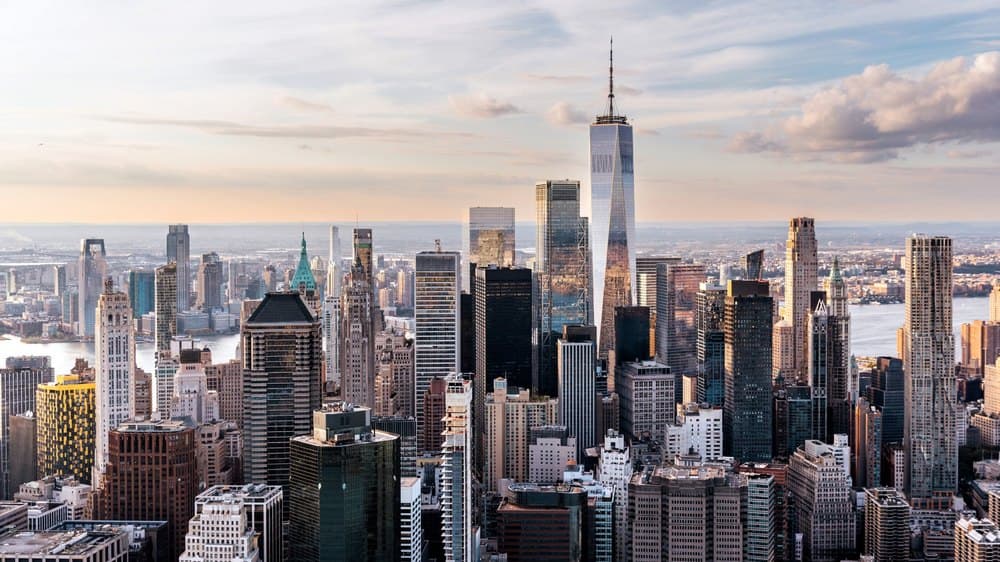
It may surprise some people that a northeastern city tops this list, but the numbers are clear. The New York metropolitan area is the single largest hurricane exposure zone in the entire country, with more than 3.2 million homes at risk and estimated reconstruction costs exceeding $1.93 trillion. The density of housing stock, combined with the region's sprawling coastal geography across Long Island, New Jersey, and New York City's five boroughs, creates an enormous concentration of vulnerable properties.
Superstorm Sandy in 2012 offered a preview of what a significant storm event can do to the region. Flooding, wind damage, and storm surge caused tens of billions of dollars in destruction, and many homeowners discovered their standard policies offered far less protection than they had assumed. In a market already strained by rising premiums, New York homeowners face the dual challenge of high property values driving up reconstruction costs and an insurance industry that is increasingly cautious about coastal exposure in the Northeast.
2. Houston: A Gulf Coast Giant With Billions on the Line
Houston ranks second nationally with approximately 2.17 million homes at risk and an estimated $824 billion in reconstruction cost value. The greater Houston area's flat topography and proximity to the Gulf of Mexico make it particularly susceptible not just to wind damage but to devastating flooding — a combination that has caught countless homeowners off guard over the years.
Hurricanes Harvey in 2017 served as one of the most costly reminders of Houston's vulnerability, dumping record rainfall and flooding hundreds of thousands of homes. Many property owners discovered they lacked flood insurance because it is typically sold separately from standard homeowners policies. Texas has a private insurance market, which means homeowners have options, but premiums have climbed considerably in high-risk ZIP codes, and some insurers have pulled back from the most exposed areas altogether.
3. Miami: High Stakes in South Florida's Storm Corridor
Miami rounds out the top three with roughly 2.04 million properties at risk and $616 billion in projected rebuilding costs. South Florida sits squarely in the Atlantic hurricane belt, and the Miami metro area has long been considered one of the most hurricane-exposed markets in the world. The combination of dense urban development, a large share of older housing stock, and a coastline that stretches for miles creates a uniquely challenging environment for both risk modeling and insurance underwriting.
Florida's home insurance market has been in crisis for several years. Multiple major insurers have exited the state entirely, leaving many homeowners reliant on Citizens Property Insurance, the state-backed insurer of last resort, which has itself been working to reduce its exposure. Premiums in South Florida are among the highest in the nation, and finding comprehensive coverage at a manageable price has become a serious concern for residents and prospective buyers alike.
Why Insurance Issues Look Different in Each City
Although all three cities face serious hurricane exposure, the insurance challenges residents encounter are shaped by very different local market conditions, regulatory environments, and risk profiles.
- In New York, the primary concern is the sheer scale of potential losses in a densely populated region that many insurers have historically underweighted in their catastrophe models. Post-Sandy regulatory changes have improved some flood coverage options, but the market remains complicated, particularly for properties close to the water.
- In Houston, the separation between wind and flood coverage is a persistent source of confusion and underinsurance. Homeowners need to proactively evaluate whether their standard policy, combined with a National Flood Insurance Program policy or a private flood policy, actually covers their full risk exposure.
- In Miami, the challenge is availability as much as affordability. With the private market contracting and Citizens increasingly burdened, homeowners face a narrowing set of options and the very real possibility of significant rate increases in the years ahead.
What Homeowners in High-Risk Areas Should Do Now
Whether you live in one of these three cities or anywhere along the hurricane-prone coastline, there are practical steps you can take to better prepare for both the physical and financial risks of the 2026 season.
- Review your current policy carefully. Understand exactly what is and is not covered, including wind, flood, and storm surge. Do not assume your standard homeowners policy covers all hurricane-related damage.
- Consider separate flood insurance. Standard homeowners insurance typically does not cover flooding. Research NFIP policies or private flood insurance options available in your area.
- Get a professional home assessment. Understanding your home's specific vulnerabilities — roof condition, window ratings, foundation type — can help you make smart mitigation investments and may reduce your premiums.
- Shop the market annually. The insurance landscape is shifting rapidly in high-risk areas. Comparing quotes each year ensures you are not overpaying or underinsured.
- Build an emergency fund. Even with good coverage, deductibles on hurricane damage can be substantial, often a percentage of your home's insured value rather than a flat dollar amount.
The Bigger Picture: $12 Trillion at Stake Nationally
The scale of potential losses outlined in Cotality's 2026 Hurricane Risk Report is a reminder that hurricane preparedness is not just a personal matter — it is a systemic financial concern affecting communities, lenders, insurers, and local governments. With over $12 trillion in reconstruction costs potentially on the line and climate patterns continuing to evolve, the pressure on the insurance industry and on individual homeowners is only likely to grow.
For residents of New York, Houston, and Miami, the message is clear: understanding your exposure, knowing your coverage, and taking proactive steps today can make an enormous difference when the next storm arrives. Hurricane season does not wait, and neither should your preparation.