
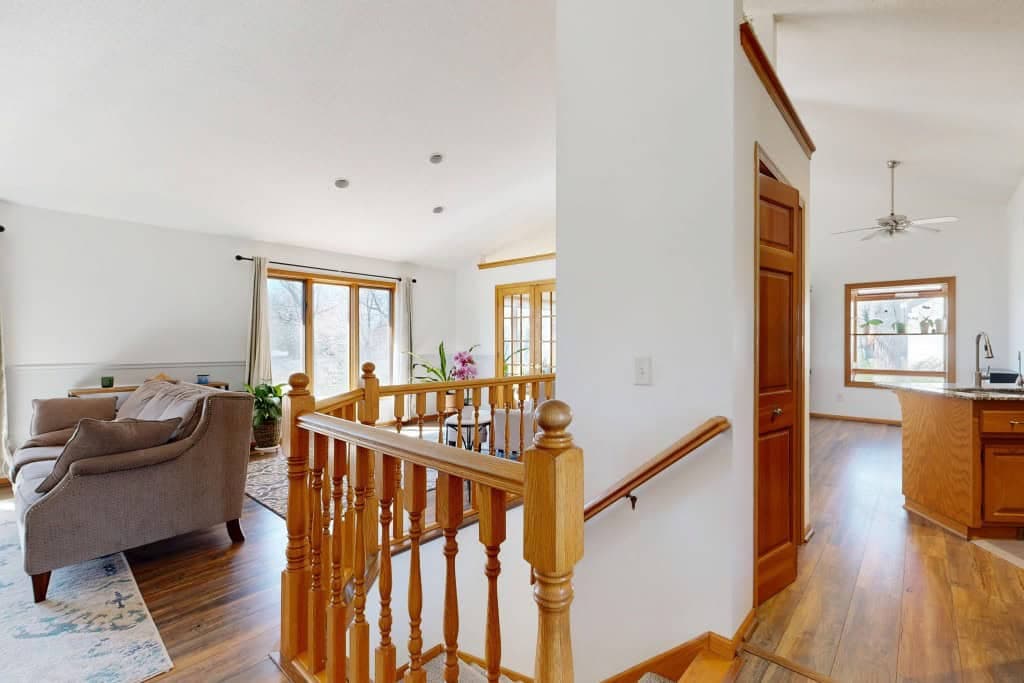
Why Home Listing Photos Matter More Than You Think
In today's digital-first real estate market, online listings are often the very first step in the homebuying process. Within seconds of landing on a listing, buyers form impressions that can determine whether a home makes the shortlist or gets scrolled past entirely. But photos do more than just showcase a home's best angles — they can also reveal critical clues about a property's condition, layout, and overall upkeep.
Knowing what to look for when viewing house photos can help you catch potential problems before you ever schedule a showing. From suspiciously missing rooms to heavily filtered images that hide underlying damage, the photos in a listing often tell a much larger story than sellers intend. Here's how to read between the lines and protect yourself from costly surprises down the road.
Missing or Skipped Rooms
One of the most telling red flags in any home listing is the absence of photos for key rooms. If a listing has 30 photos of the living room, backyard, and kitchen but not a single image of the bathrooms, basement, or garage, that omission is worth questioning. Sellers and their agents typically photograph every room that shows the property in a positive light. When a room is conspicuously missing from the gallery, there's often a reason — and it's rarely a good one.
Pay close attention to rooms that are particularly vulnerable to damage or costly repairs, such as the basement, laundry room, and secondary bathrooms. Water damage, mold, outdated plumbing, and structural issues often hide in these spaces. If you can't see them in the listing, make sure to inspect them thoroughly during your showing or home inspection.
Overly Edited or Heavily Filtered Images
Professional real estate photography has become the standard in most markets, and there's nothing wrong with good lighting and a wide-angle lens. However, there's a significant difference between flattering photography and digitally manipulated images designed to conceal problems. If the photos look unrealistically bright, have strangely blurred sections, or feature colors that seem artificially enhanced, the seller may be using editing to hide water stains, discoloration, cracks, or other visible defects.
Virtual staging is another area to watch. While it's perfectly legal and common to digitally furnish an empty room, some listings go further by digitally removing stains from carpets, smoothing over wall damage, or altering the apparent size of small spaces. If the photos feel too polished compared to the asking price or neighborhood comps, approach with a healthy dose of skepticism.
Visible Signs of Water Damage or Moisture
Even in carefully curated listing photos, signs of water damage can be difficult to completely hide. Train your eye to look for these specific visual cues:
- Discoloration or staining on ceilings, especially near corners or light fixtures, which may indicate a leaking roof or upstairs plumbing issue.
- Bubbling, peeling, or warped paint on walls or baseboards, which is a common sign of moisture intrusion from outside or from a nearby water source.
- Rippled, warped, or uneven hardwood flooring, which often signals past or ongoing water exposure from below.
- Mold or dark spots on grout, around windows, or along the edges of ceilings, even when partially cropped out of frame.
- Dehumidifiers or fans visible in basement photos, which may have been left in frame by accident and suggest ongoing moisture problems.
Water damage can be one of the most expensive issues a homebuyer faces, often leading to mold remediation, structural repairs, and insurance complications. Catching these signs early in the listing photos stage can save thousands of dollars and months of headaches.
Cluttered or Strategically Angled Photos
When a photographer seems to be going out of their way to shoot from unusual angles or strategically stage furniture against specific walls, it's worth asking why. Sellers sometimes use large furniture pieces, area rugs, or décor items to physically block damaged flooring, wall cracks, or stains from the camera's view. Similarly, photos taken exclusively from one corner of a room may be hiding a sloped floor, a structural column, or a layout that is far less functional than it appears.
Look for consistency in the angles used throughout the gallery. If the rest of the home is shot openly and naturally but one particular room or wall is always carefully avoided, that asymmetry is a signal worth investigating.
Outdated Systems and Deferred Maintenance
Listing photos often capture more than just aesthetics — they also reveal a home's maintenance history. Keep an eye out for these details:
- Older electrical panels visible in utility room photos, particularly those featuring fuse boxes or brands known for safety concerns.
- Dated HVAC units or water heaters that appear to be decades old and near the end of their expected lifespan.
- Cracked caulking around tubs and showers, which suggests ongoing moisture vulnerability and inconsistent upkeep.
- Worn-out roofing materials visible in exterior shots, including curling shingles, missing sections, or significant moss growth.
- Overgrown landscaping or a neglected yard, which can hint at broader deferred maintenance throughout the property.
Exterior and Foundation Clues
Don't focus exclusively on interior shots. Exterior listing photos can reveal structural concerns that are just as costly to address. Look for cracks running along the foundation, gaps between the home's siding and trim, uneven grading that directs water toward the house rather than away from it, and evidence of patched repairs that may signal previous damage. A home that looks pristine inside but shows exterior wear may have had cosmetic renovations done to mask deeper structural or drainage issues.
What to Do When You Spot Red Flags
Spotting red flags in listing photos doesn't necessarily mean walking away from a property — it means going in with your eyes open. Use any warning signs you notice as a checklist for your in-person showing and as a guide for what to prioritize during a professional home inspection. Ask your real estate agent to request additional photos or disclosures about specific areas of concern before you invest time in a visit.
The goal isn't to become cynical about every listing, but to be an informed buyer who understands that great photography and a great home are not always the same thing. When you know what to look for when viewing house photos, you give yourself a real advantage in one of the biggest financial decisions of your life.