
The Debate That's Dividing the Creative World: Can AI Really Be Called an Artist?
A conversation ignited in the comments section of Dezeen — one of the world's most widely read architecture and design publications — has sent ripples through creative communities globally. After Dezeen featured AI-generated architectural renders and design concepts, readers responded with sharp, impassioned opinions. The overwhelming verdict? There is no such thing as an AI artist. But what exactly fuels this conviction, and does the argument hold up under scrutiny? Let's unpack the debate, the nuances, and what it all means for the future of human creativity.
What Sparked the Dezeen Debate?
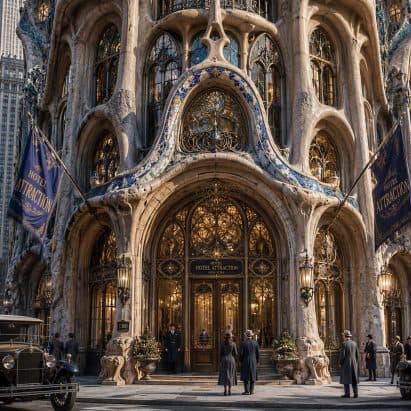
The discussion arose in the context of Dezeen's weekly reader debate segment, where the publication invites its audience to weigh in on trending topics in architecture, art, and design. This particular edition featured AI-generated architectural imagery — including speculative hotel designs rendered through artificial intelligence tools — that blurred the line between human authorship and machine output.
The visuals were striking. Sweeping organic forms, intricate facades, and richly detailed interiors that rivalled the imagination of any seasoned architect were all conjured by an algorithm. Yet it was precisely this uncanny quality that prompted readers to push back. Rather than marvel at the technology, many commenters felt compelled to defend the sanctity of human artistry.
Why Readers Reject the Label "AI Artist"
The core of the reader argument rests on a fundamental distinction: the difference between a tool and a creator. Commenters pointed out that AI systems do not possess intent, emotion, lived experience, or genuine creative vision. They process data, recognise patterns, and generate statistically probable outputs based on enormous training sets — much of which consists of human-created work, often without the consent or compensation of the original artists.
This ethical dimension added fuel to the fire. Many readers noted that calling AI a "artist" not only misrepresents the technology but also undermines and devalues the labour, education, and emotional investment that human artists pour into their craft over a lifetime. A paintbrush is not called an artist. A camera is not called a photographer. So why, readers asked, should an algorithm be called an artist simply because its outputs are visually sophisticated?
One recurring theme in the comments was the concept of intentionality. Art, many argued, is inseparable from the human experience behind it — the struggle, the failure, the revision, the meaning embedded in every choice. When an AI generates an image, it makes no choices in the human sense. It executes a prompt. The artist, in that transaction, remains the human who conceived the prompt and selected the output.
The Counter-Argument: Is the Tool Becoming the Author?
Not all readers agreed. A minority of voices in the Dezeen debate argued that the line between tool and creator has always been blurry and that AI is simply pushing that boundary further. They pointed to photography as a historical parallel — when cameras were introduced, many critics dismissed photographers as mere button-pressers who lacked the skill of painters. Over time, photography became a fully accepted and celebrated art form.
Proponents of AI art suggest that the human who directs, curates, and refines AI-generated content is exercising genuine creative agency. The prompt is the vision; the AI is the medium. From this perspective, dismissing AI-assisted work as non-art may be a reflexive conservatism rather than a principled aesthetic or philosophical stance.
There is also a growing body of designers and architects who use AI not as a replacement for creativity but as an accelerator — a means of rapidly exploring forms, testing concepts, and visualising ideas that would otherwise require weeks of manual labour. For these practitioners, AI is a collaborator in the truest sense, and the results are as much theirs as any brushstroke would be.
What Does This Mean for Architects and Designers?
The Dezeen debate arrives at a particularly charged moment for the architecture and design industries. AI rendering tools have become increasingly accessible and powerful, enabling individuals with minimal technical training to produce images that previously required professional studios. This democratisation of visual production is both exciting and destabilising.
- Freelance illustrators and visualisers face real economic pressure as clients increasingly turn to AI tools for concept imagery at a fraction of the cost.
- Architecture firms are grappling with questions of attribution, authenticity, and professional responsibility when AI is used in client-facing presentations.
- Design schools are beginning to rethink curricula, asking how to prepare students for a profession where AI fluency may be as important as hand-drawing or CAD skills.
- Copyright law remains deeply unsettled, with ongoing legal battles over whether AI-generated images can be protected and who owns them.
These aren't abstract philosophical concerns — they translate directly into livelihoods, professional standards, and the cultural value society assigns to creative work.
The Broader Cultural Stakes
At its heart, the Dezeen reader debate reflects a much larger cultural anxiety about what happens when machines become competent at tasks we once considered exclusively human. Art has long been held up as the ultimate expression of human consciousness — the place where emotion, intellect, memory, and imagination converge into something that resonates across time and culture.
If a machine can replicate the surface appearance of that resonance, does it matter whether the underlying process is human? Many readers clearly believe it does. The authenticity of art, they argue, is inseparable from its origin. A sunset painted by a grieving artist and a sunset generated by an algorithm may look identical, but they are not the same object in any meaningful sense.
Conclusion: The Question Isn't Going Away
Whether or not you believe an AI can be an artist, the Dezeen debate makes one thing abundantly clear: these questions matter deeply to people working in and around the creative industries. The label "AI artist" is not merely a semantic quibble — it carries implications for intellectual property, economic fairness, cultural value, and the very definition of human expression.
As AI tools grow more capable and more embedded in professional workflows, the creative community will need to engage with these questions openly and rigorously rather than dismissing them. The readers who flooded Dezeen's comments section weren't resisting technology — they were insisting on the irreplaceable value of the human behind the work. And that is a conversation worth having.