
Is Your Garden Secretly Harming Bees and Butterflies?
Most gardeners love the sight of bees buzzing between blooms and butterflies drifting lazily across a sunny border. Yet despite our best intentions, some of the most common garden habits are quietly making our outdoor spaces hostile to the very creatures we want to welcome. The good news is that the fixes are simple, affordable, and will reward you with more wildlife, more flowers, and an explosion of summer color that lasts well into autumn.
Here are three things in your garden that could be harming bees and butterflies — and exactly what to do about them right now.
1. Pesticides and Weedkillers: The Silent Pollinator Killers
Walk down any garden center aisle and you will find rows of sprays, pellets, and concentrates promising to rid your plants of aphids, slugs, and weeds in minutes. It is tempting, especially when you have spent weeks nurturing your borders only to find them under attack. But many of these products contain chemicals that are profoundly damaging to pollinators.
Neonicotinoids, a class of systemic insecticide, have been heavily studied for their role in bee population decline. These chemicals are absorbed by the entire plant — including pollen and nectar — meaning that bees and butterflies ingest them every time they feed. Even at sub-lethal doses, neonicotinoids can impair navigation, memory, and reproduction in bees, making it harder for colonies to survive the winter.
Glyphosate-based weedkillers present a secondary problem. While they do not directly poison pollinators, they eliminate the wildflowers and "weeds" — such as dandelions, clover, and nettles — that many bees and butterflies depend on for early-season nutrition.
The Fix
- Switch to organic or biological pest control methods wherever possible. Nematodes work well against slugs, and a strong blast of water can remove aphid colonies without chemical intervention.
- Embrace a slightly less manicured lawn. Allowing dandelions and clover to flower for even a few weeks provides a critical food source for early-emerging bumblebees.
- If you must use a spray, apply it in the evening when bees are least active, and never spray open flowers directly.
- Look for products certified as bee-safe and check labels carefully for neonicotinoid active ingredients such as imidacloprid, clothianidin, or thiamethoxam.
2. Double Flowers and Sterile Cultivars: Pretty for Us, Useless for Wildlife
Modern plant breeding has given us some truly spectacular flowers — roses with hundreds of petals, dahlias the size of dinner plates, and marigolds in colors that barely exist in nature. Sadly, many of these showstopping cultivars have been bred purely for visual appeal, and in the process, something vital has been lost: accessible pollen and nectar.
Double flowers — those with extra layers of petals created through selective breeding — often have their stamens and nectaries so thoroughly obscured or eliminated that bees and butterflies simply cannot reach the food inside. A bee landing on a fully double peony or a hybrid tea rose is wasting precious energy for zero nutritional reward. Over time, if gardens fill up with these sterile showpieces, pollinators can struggle to find enough calories to sustain themselves.
Butterfly species are particularly affected because they rely on specific host plants for laying eggs as well as nectar-rich flowers for feeding. When ornamental cultivars replace native or single-flowered plants, butterflies lose both food and habitat in a single stroke.
The Fix
- Choose single-flowered varieties wherever you can. Single dahlias, open-faced roses, and single marigolds are just as beautiful as their double counterparts but vastly more useful to wildlife.
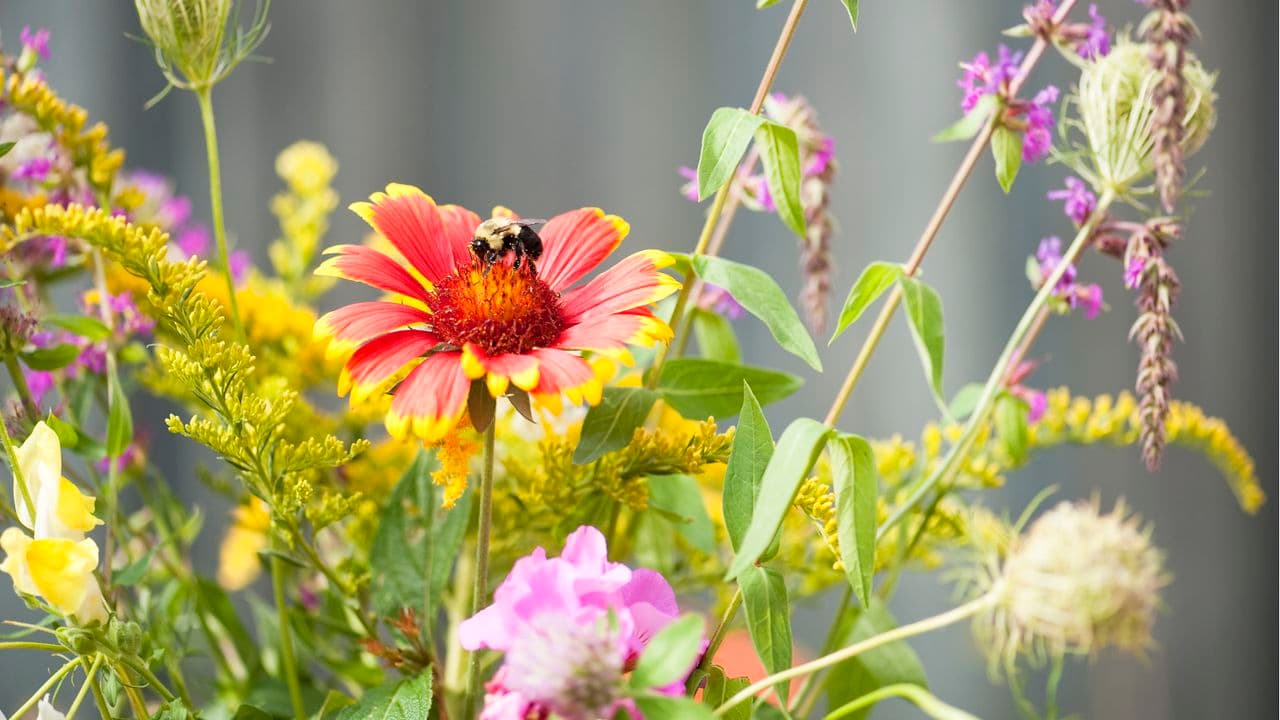
- Plant known pollinator favorites such as lavender, catmint, echinacea, verbena bonariensis, and alliums. These are reliable, low-maintenance, and magnetically attractive to both bees and butterflies.
- Incorporate native wildflowers into your borders or dedicate a patch of lawn to a wildflower mix. Native species have co-evolved with local pollinators and provide exactly the right type of nectar and pollen.
- Check the Royal Horticultural Society's "Plants for Pollinators" list when buying new plants — it takes the guesswork out of shopping at the garden center.
3. Bare Soil and Over-Tidiness: Removing the Homes Pollinators Need
There is a cultural pressure in gardening toward neatness — clipped edges, weed-free beds, and not a hollow stem in sight. While a well-maintained garden is a pleasure, obsessive tidiness can strip away the microhabitats that solitary bees and overwintering butterflies depend on to survive.
Around 90% of the UK's bee species are solitary, meaning they do not live in hives. Many of them nest in bare patches of soil, hollow plant stems, or small gaps in walls and fences. When gardeners mulch every inch of bare ground, cut back every stem in autumn, and remove every fallen log, they are essentially demolishing an entire ecosystem of nesting sites.
Butterflies such as the comma and small tortoiseshell overwinter as adults, tucking themselves into sheltered spots like log piles, dense ivy, and unheated outbuildings. Removing these features in an autumn tidy-up can expose them to lethal cold.
The Fix
- Leave some areas of bare or sparsely vegetated soil in a sunny spot — even a small patch can attract mining bees, which are among the most effective pollinators of early spring crops.
- Resist the urge to cut back all your perennials in autumn. Leave hollow and pithy stems standing through winter; they provide nesting tubes for solitary bees and add structural interest to the garden in the process.
- Stack a small pile of logs or branches in a quiet corner. This simple gesture creates habitat for overwintering butterflies, beetles, and a host of other beneficial insects.
- Install a bee hotel on a south-facing wall, filled with a variety of tube sizes to attract different solitary bee species. Position it at least a meter off the ground for best results.
Small Changes, Big Impact
You do not need to overhaul your entire garden to make a meaningful difference to bees and butterflies. Swapping out a few chemical treatments, choosing single-flowered plants at the garden center, and resisting the autumn clearout are changes that take minimal effort but deliver outsized rewards. Within a season or two, you are likely to notice more activity in your borders, healthier plants thanks to improved pollination, and a garden that hums with life from the first warm days of spring right through to the last flowers of autumn.
Pollinators need our gardens now more than ever. The simplest thing we can do is stop making them unwelcome — and start making room.