
Why Glass-Front Kitchen Cabinets Are Having Their Biggest Moment Yet
Trends in interior design have a funny way of circling back around, but some styles don't just return — they arrive with even more cultural weight than before. That's exactly what's happening with glass-front kitchen cabinets in 2026. Once a hallmark of early-2000s home makeovers and a fixture in the kind of sprawling celebrity kitchens that dominated reality television, these elegant cabinet styles are now being celebrated as the ultimate intersection of old money aesthetics and thoroughly modern sensibility.
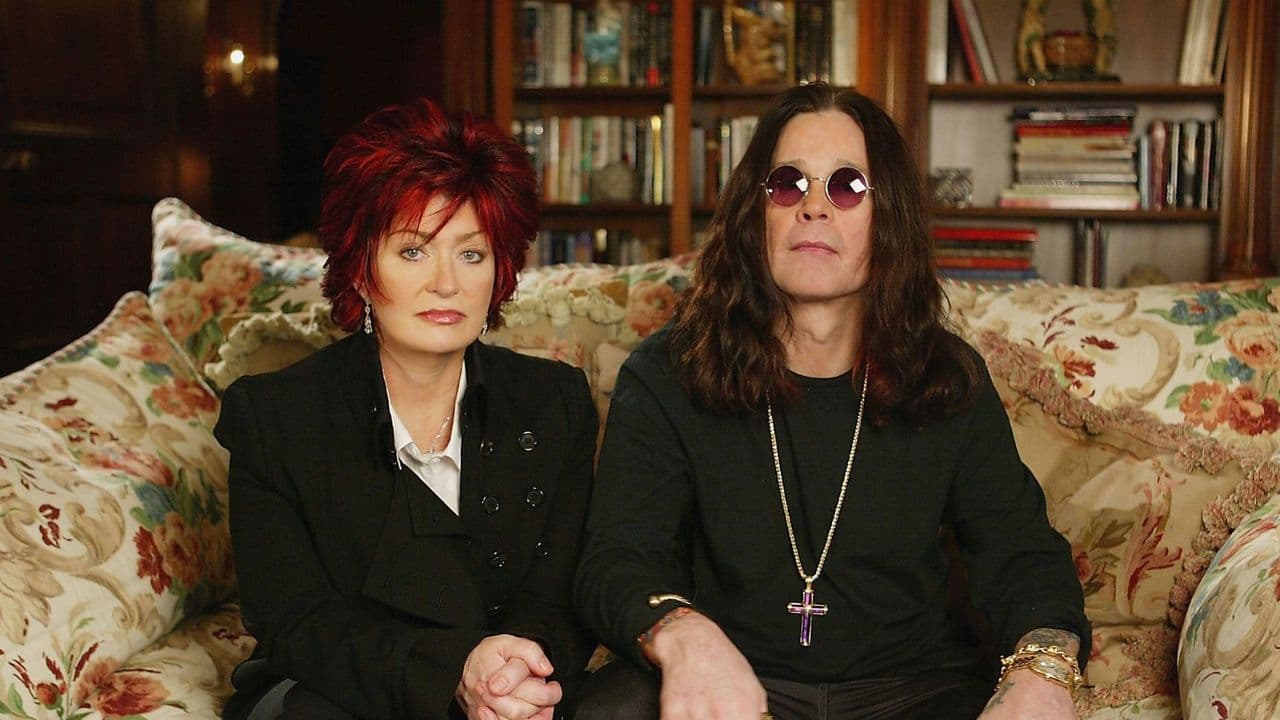
Perhaps no household illustrated this better than the Osbourne family. When The Osbournes debuted on MTV in 2002, it gave the world an unfiltered look inside the lives of rock legend Ozzy Osbourne and his formidable wife Sharon — including their beautifully appointed Beverly Hills kitchen, complete with classic glass-front cabinetry. At the time, it simply looked like a luxury home detail. In hindsight, it was a design blueprint decades ahead of its mainstream revival.
What Makes Glass-Front Cabinets "Old Money, Yet Modern"
The phrase "old money" in interior design refers to a specific visual vocabulary: understated luxury, quality craftsmanship, timeless materials, and a quiet confidence that doesn't need to shout for attention. Glass-front cabinets check every one of those boxes. They have graced the kitchens of English country estates, Parisian apartments, and American colonial-era homes for centuries. Their longevity in design history is not accidental — it speaks to a functional elegance that simply works.
What makes them feel modern in 2026 is the way contemporary homeowners are styling and contextualizing them. Paired with matte black hardware, integrated LED interior lighting, or set against bold two-tone cabinetry, glass-front doors take on a fresh energy that feels current without abandoning their inherent sophistication. The result is a kitchen that appears curated rather than decorated — which is precisely the aesthetic that dominates interior design conversations right now.
The Practical Case for Glass-Front Kitchen Cabinets
Beyond the aesthetic appeal, there is a genuinely compelling practical argument for choosing glass-front cabinets as your primary kitchen storage solution. Here's why interior designers and homeowners alike are embracing them:
- Visual accessibility: Being able to see the contents of your cabinets at a glance eliminates the frustration of digging through shelves to find what you need. Everything has a place, and that place is always visible.
- Space-enhancing effect: Glass reflects light and creates a sense of depth, making even a small or galley kitchen feel more open and airy than solid cabinet fronts would allow.
- Encourages intentional organization: When your storage is on display, you become more deliberate about what you keep and how you arrange it. This naturally leads to a tidier, more functional kitchen overall.
- Versatility across styles: Whether your kitchen leans traditional, transitional, or contemporary, glass-front cabinets integrate seamlessly — adapting their personality to the surrounding design rather than competing with it.
- Increased perceived home value: Real estate professionals consistently note that thoughtfully designed kitchens with classic, high-quality details like glass cabinetry tend to appeal strongly to buyers seeking lasting style over trendy finishes.
How to Style Glass-Front Cabinets the Right Way in 2026
The styling of what sits behind those glass panes matters just as much as the cabinets themselves. Sharon Osbourne's kitchen exemplified this principle well — the visible shelves were organized and curated, not cluttered. In 2026, the key is to treat your glass cabinet interiors as a living display, not a dumping ground.
Start by limiting the contents to items that are both beautiful and functional: matching sets of dinnerware, vintage glassware, ceramic mixing bowls, or neatly stacked linen napkins all photograph beautifully and feel intentional. Avoid mismatched plasticware or half-empty boxes of cereal — those belong in opaque pantry storage.
Color coordination within the cabinet is another trick that elevates the look instantly. Grouping items by color — all white dishware together, glassware arranged by size — creates a sense of order that reads as effortlessly polished rather than overly staged. Adding small potted herbs, a candle, or a stack of well-loved cookbooks to one section of a glass cabinet brings organic warmth to the arrangement.
The Best Cabinet Styles to Pair with Glass Fronts
Not every glass-front style will suit every kitchen. In 2026, the most sought-after combinations include mullion-style glass doors — those with thin wooden or metal dividers forming a grid or arch pattern — paired with deep navy, forest green, or warm cream painted cabinetry. Fluted glass, which provides a slight blur and adds texture, is also having a significant moment for homeowners who want the openness of glass without the full transparency.
For a more contemporary take, frameless glass-front cabinets with minimal hardware in brushed brass or matte gunmetal lean into the sleek, uncluttered aesthetic that defines modern luxury kitchens today.
A 2000s Trend That Aged Beautifully
Not every early-2000s design choice has stood the test of time with grace — but glass-front kitchen cabinets have. What the Osbournes had in their much-watched home was not just a celebrity's extravagance; it was a quietly timeless design decision rooted in centuries of elegant domestic tradition. As 2026 ushers in a broader cultural appreciation for quality over novelty and heritage over hype, these cabinets feel less like a throwback and more like the solution we should have been reaching for all along.
Whether you're planning a full kitchen renovation or simply updating a few cabinet doors, incorporating glass fronts into your storage plan is one of the most rewarding investments you can make — in aesthetics, in functionality, and in the kind of enduring style that never really goes out of fashion.