
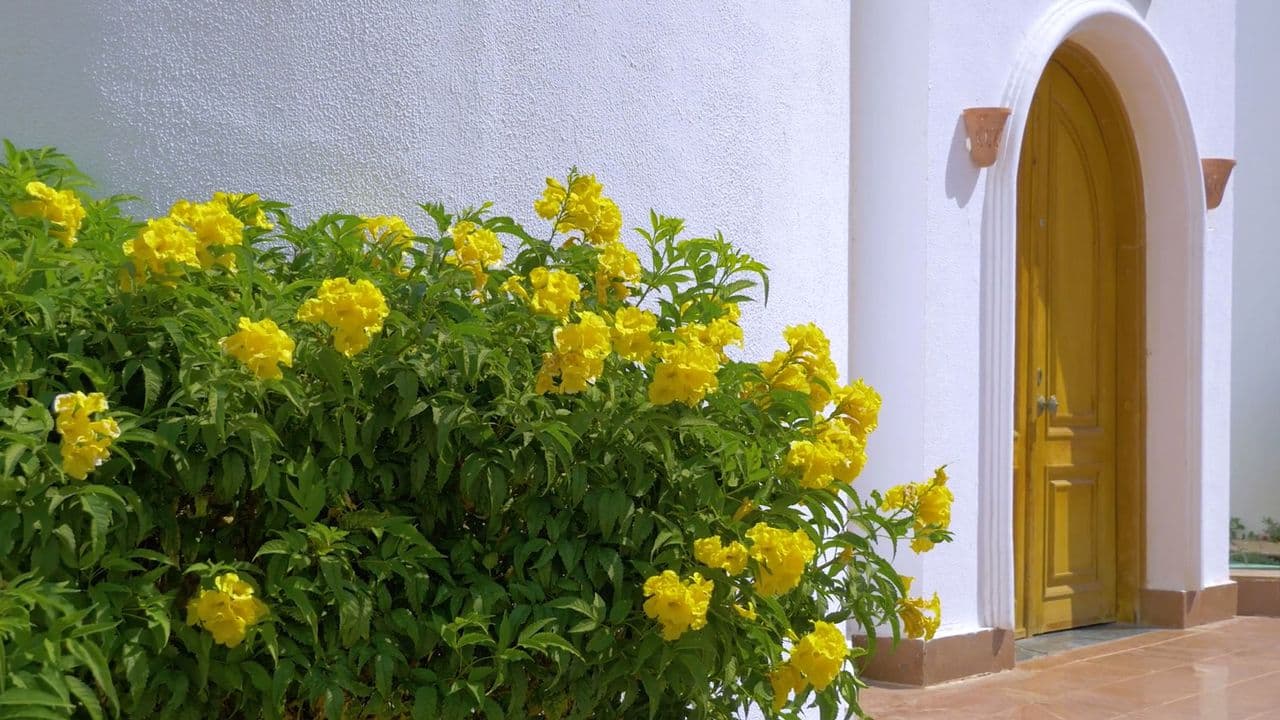
Why You Need Heat-Proof Flowering Shrubs in Your Garden
Summers are getting hotter. Hosepipe bans are becoming more common. And that beloved flowering shrub you planted three years ago? It may be struggling more than it lets on. As climate patterns shift and prolonged heatwaves become the new normal across much of the Northern Hemisphere, gardeners are rethinking what they plant — and why.
The good news is that you don't have to choose between a beautiful garden and a resilient one. There is a remarkable collection of flowering shrubs that have evolved to thrive under blazing sun, baked soil, and long stretches without rain. These plants don't merely survive drought — they positively flourish in it. Whether you're gardening in a Mediterranean climate, a sun-baked urban yard, or simply a south-facing border that turns into a furnace every July, the six shrubs below are exactly what you need.
6 Heat-Proof Flowering Shrubs That Thrive in Drought and Heat
1. Cistus (Rock Rose)
If there is one shrub that was born for hot, dry conditions, it is the Cistus — commonly known as the Rock Rose. Native to the Mediterranean basin, this evergreen shrub produces an abundance of papery, rose-like flowers in shades of white, pink, and magenta from late spring through midsummer. Each bloom lasts only a single day, but the plant produces so many that the display feels continuous and extravagant.
Cistus thrives in poor, well-drained soil and genuinely dislikes being overwatered or over-fertilized. Once established — typically after its first season — it requires almost no supplemental irrigation. It is also naturally salt-tolerant, making it an excellent choice for coastal gardens. Expect it to reach between 1 and 1.5 metres in height and spread, forming a compact, bushy mound of grey-green foliage.
2. Lavender (Lavandula)
No list of drought-tolerant flowering shrubs would be complete without lavender. This iconic plant has graced sun-drenched hillsides across France, Spain, and Italy for centuries, and it brings that same effortless resilience to the home garden. With its aromatic silver-grey foliage and towering spikes of purple, blue, or white flowers, lavender earns its place in both formal and informal planting schemes.
Lavandula angustifolia (English lavender) and Lavandula x intermedia (lavandin) are among the most heat-tolerant varieties. Plant them in full sun and sharply draining soil — they will reward you with months of bloom and a fragrance that lingers long after the flowers have faded. Prune lightly after flowering to keep the plant compact and encourage fresh growth the following season.
3. Rosemary (Salvia rosmarinus)
Reclassified from Rosmarinus officinalis in recent years, Salvia rosmarinus is far more than a kitchen herb. As a flowering shrub, it produces delicate blue, white, or pink tubular flowers that attract bees and pollinators from late winter right through to early summer. Its needle-like, intensely aromatic foliage remains evergreen year-round and becomes increasingly drought-resistant as the plant matures.
Rosemary grows well in containers, raised beds, or directly in the ground, provided it has excellent drainage and plenty of direct sunlight. Upright varieties such as 'Miss Jessopp's Upright' can reach up to 1.5 metres, while trailing forms work beautifully cascading over walls or along the edges of raised planters.
4. Buddleja (Butterfly Bush)
Buddleja davidii is a powerhouse of a shrub — fast-growing, deeply fragrant, and extraordinarily heat-tolerant. Its long, cone-shaped flower spikes in purple, white, pink, or burgundy are a magnet for butterflies, bees, and other pollinators throughout summer and into early autumn. In a hot, dry summer when many other shrubs begin to flag, Buddleja often comes into its best display.
While some species can become invasive in milder climates, many modern varieties have been bred to produce sterile seeds, reducing the ecological risk considerably. Cutting the plant back hard in early spring promotes vigorous new growth and the best flowering performance. It will happily grow in poor, stony soil as long as it receives full sun.
5. Agapanthus (African Lily)
Though often thought of as a perennial, the larger, evergreen varieties of Agapanthus behave more like a woody subshrub and deserve a place in any sun-drenched border. Native to South Africa, Agapanthus produces stunning globular flowerheads in shades of deep violet, cornflower blue, lilac, or pure white atop tall, elegant stems that rise above strap-like foliage.
Evergreen varieties are best suited to milder regions, while deciduous types are more cold-hardy and can tolerate a broader range of climates. Both love full sun and well-drained soil, and both are highly drought-tolerant once established. They perform particularly well in pots, where their slightly restricted roots tend to encourage heavier flowering.
6. Phlomis fruticosa (Jerusalem Sage)
Phlomis fruticosa is perhaps the most underused heat-tolerant shrub in temperate gardens. This architectural evergreen produces dramatic whorls of bright golden-yellow flowers along its upright stems in late spring and early summer, creating a striking structural display. The woolly, silver-grey leaves are both ornamental and functional — the dense surface hairs reduce moisture loss, allowing the plant to withstand extended dry spells with ease.
Jerusalem Sage prefers full sun and poor, well-drained soil, growing to around 1 metre in height and spread. It pairs beautifully with ornamental grasses, lavender, and Cistus in a dry Mediterranean-style planting scheme.
Tips for Establishing Heat-Tolerant Shrubs Successfully
Even drought-tolerant plants need some care during their first growing season. Water new shrubs regularly for the first 8 to 12 weeks after planting to help them develop a deep, established root system. After that, reduce watering gradually until they can sustain themselves on rainfall alone. Mulching around the base of each plant with gravel or bark will help retain soil moisture during the critical early stages and reduce competition from weeds.
- Always plant into well-draining soil — waterlogging is far more damaging to these shrubs than drought.
- Avoid rich, fertile soils or heavy feeding, which can encourage soft, weak growth that is less heat and drought-resistant.
- Plant in spring or early autumn rather than midsummer to reduce transplant stress.
- Group plants with similar water and light requirements together to simplify maintenance.
A More Resilient Garden Starts With the Right Plants
Adapting your garden to a hotter, drier future doesn't mean sacrificing colour, fragrance, or structure. The six heat-proof flowering shrubs described here prove that resilience and beauty can go hand in hand. By choosing plants that are genuinely suited to the conditions your garden offers, rather than fighting against them, you'll spend less time watering and worrying — and more time enjoying the results.
The shift toward drought-tolerant planting is not just a practical response to climate change. It's an opportunity to discover a whole new palette of extraordinary plants that most gardens have been overlooking for far too long.