
How to Prevent Ticks in Your Yard: 5 Expert-Approved Ways to Stop Them Moving In
If you love spending time outdoors in your own backyard, ticks are probably the last thing you want to think about — but they should be near the top of your seasonal checklist. These tiny, blood-feeding parasites are more than just a nuisance. They are known carriers of Lyme disease, Rocky Mountain spotted fever, anaplasmosis, and several other serious illnesses that can affect both humans and pets. The good news is that with the right approach, you can dramatically reduce the tick population in your yard and lower your family's risk of exposure. Here are five expert-approved ways to prevent ticks in your yard before they ever get a chance to settle in.
Why Tick Prevention Starts at Home
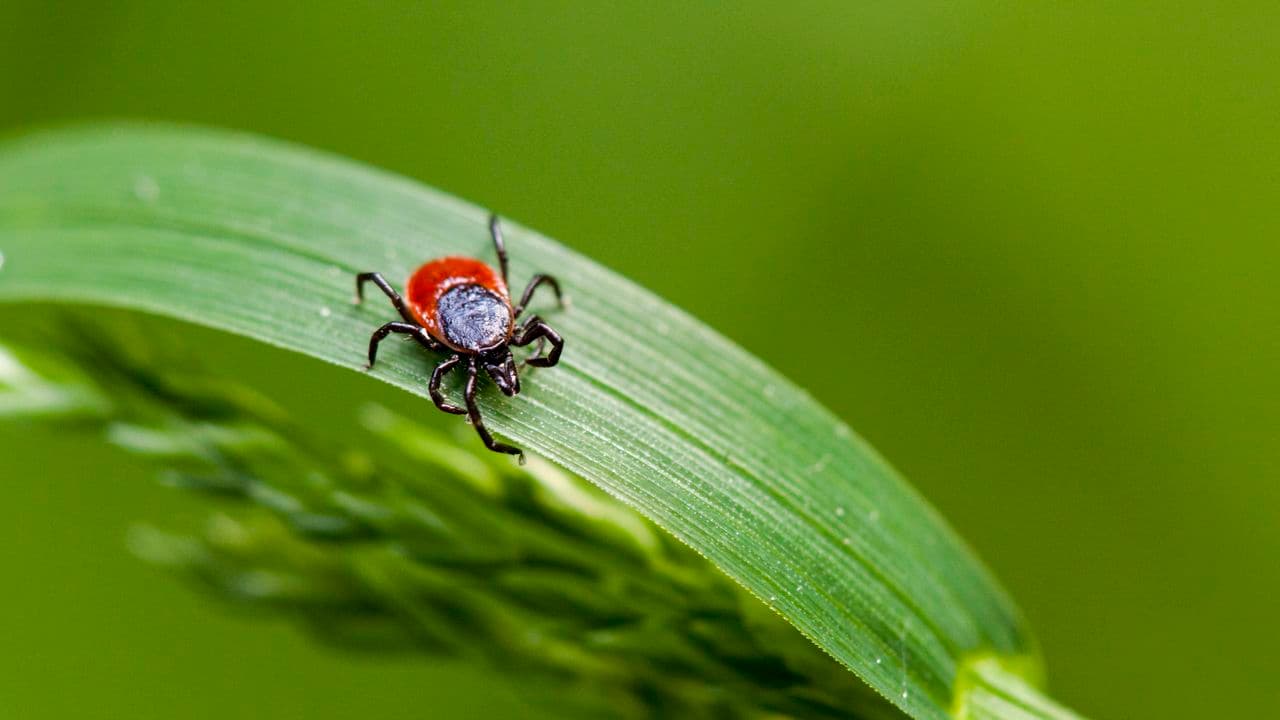
Many people assume ticks are exclusively a woodland problem, something you only encounter on hiking trails or in deep forests. In reality, a significant number of tick bites happen right in people's own backyards. Ticks thrive in moist, shaded environments and are commonly found along the edges of lawns, in leaf litter, in overgrown grass, and near woodpiles. They don't jump or fly — they latch onto hosts by a behavior called "questing," where they cling to tall grass or low shrubs with their front legs outstretched, waiting for a warm-blooded host to brush past them.
Understanding where ticks like to live and why gives you a strategic advantage. Tick prevention isn't about treating every square inch of your outdoor space — it's about making your yard as inhospitable to ticks as possible through a combination of landscaping, barriers, and targeted treatments.
1. Keep Your Lawn Mowed and Tidy
One of the simplest and most effective things you can do to prevent ticks in your yard is to maintain a well-trimmed lawn. Ticks prefer tall grass, dense vegetation, and shaded areas where humidity stays high. By mowing your lawn regularly — ideally keeping grass under three inches — you eliminate much of the sheltered habitat ticks depend on for survival.
Beyond mowing, make it a habit to remove leaf litter, brush piles, and clippings promptly. These organic debris piles are prime real estate for ticks and the small rodents, like mice and chipmunks, that often carry them. Clearing out these hiding spots reduces both tick habitat and the wildlife that introduces new ticks into your yard.
2. Create a Tick-Barrier Zone with Wood Chips or Gravel
Ticks are reluctant to cross dry, sun-exposed surfaces. Experts recommend creating a three-foot-wide barrier of wood chips, mulch, or gravel between your lawn and any wooded or brushy areas at the edge of your property. This simple landscaping technique acts as a physical deterrent, making it significantly harder for ticks to migrate from the woods into your lawn and living spaces.
This tick barrier is especially effective along fence lines, at the perimeter of wooded borders, and around the edges of garden beds. Pair it with regular maintenance of those transitional zones — trimming back overhanging branches and removing dense undergrowth — and you create a much less tick-friendly environment overall.
3. Manage Wildlife That Carries Ticks
Deer, mice, squirrels, and raccoons are among the most common wildlife hosts for ticks, and if they're visiting your yard regularly, they're likely dropping off ticks with every visit. Discouraging wildlife from entering your outdoor space is an important but often overlooked piece of tick prevention.
Practical steps include removing bird feeders that attract rodents, securing trash cans with tight-fitting lids, and using deer-resistant plantings in garden beds. Fencing can also help keep deer out of smaller yards. While you may not be able to eliminate wildlife visits entirely, reducing them meaningfully cuts down the number of ticks being introduced into your yard each season.
4. Apply Tick-Control Treatments to Your Yard
When environmental modifications alone aren't enough, targeted tick treatments can provide an additional layer of protection. Acaricides — pesticides specifically designed to kill ticks — can be applied to key areas of your yard, particularly along the borders, around garden beds, and in shaded zones where ticks are most likely to harbor.
Many homeowners choose to hire a licensed pest control professional for yard tick treatments, which is often the most thorough option. If you prefer a DIY approach, look for EPA-registered products labeled for tick control. Natural alternatives, such as sprays containing cedar oil or diatomaceous earth, can also be effective for lighter infestations and are a lower-impact option for households with pets and children. Always follow label instructions carefully and consider timing applications in late spring and early summer when tick activity peaks.
5. Use Tick Tubes to Target the Source
Tick tubes are one of the most innovative and targeted tick prevention tools available to homeowners. These cardboard tubes are filled with permethrin-treated cotton nesting material. Mice collect the cotton to line their nests, and when they do, the permethrin kills any ticks on their bodies — interrupting the tick's life cycle at one of its primary hosts before ticks ever reach your lawn or your family.
Tick tubes are placed around the yard's perimeter, near woodpiles, along fence lines, and in areas where rodents are likely to travel. They're considered low-risk for non-target animals and are an excellent complement to the other prevention strategies on this list. Many pest control experts consider them one of the most cost-effective ways to reduce the larval and nymphal tick population on a property over time.
Put Your Tick Prevention Plan Into Action
No single method will eliminate 100% of ticks from your yard, but combining these five expert-approved strategies creates a powerful, layered defense. Start with consistent lawn maintenance and habitat reduction, add a physical barrier along wooded edges, take steps to deter wildlife, apply treatments to high-risk zones, and consider tick tubes for ongoing population control. Together, these measures can dramatically reduce tick activity and give your family the confidence to enjoy your outdoor spaces safely all season long.
Remember to always perform thorough tick checks on yourself, your children, and your pets after spending time outside — even in a treated yard. Early detection and prompt removal remain your last line of defense and are critical for preventing tick-borne illness.