
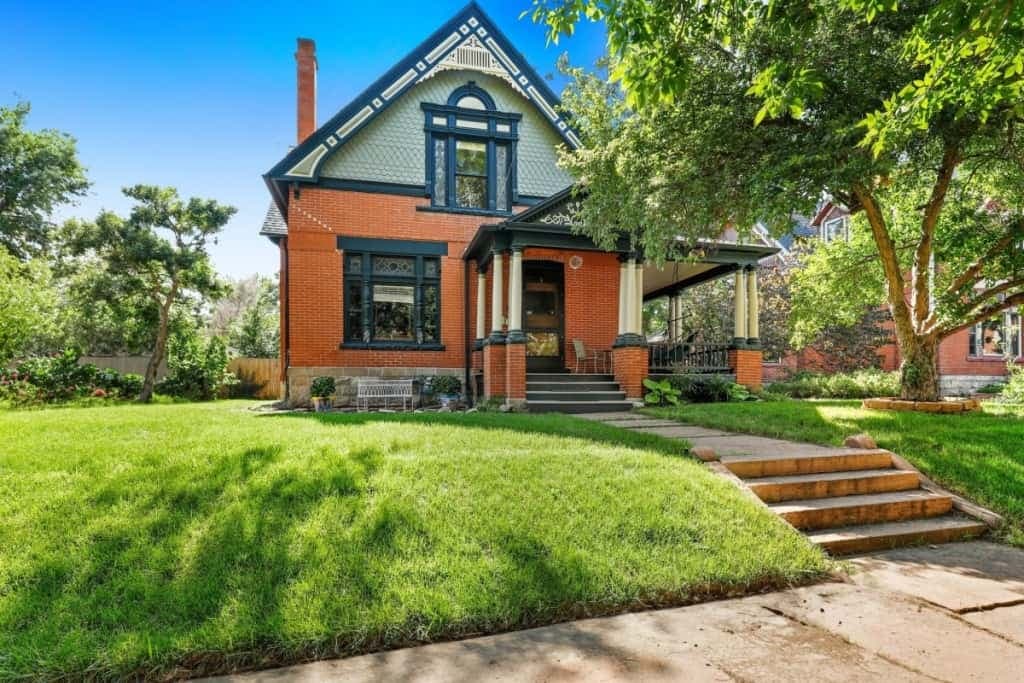
Is Now a Good Time to Buy a House?
One of the most common questions prospective homebuyers ask in today's turbulent economy is simple but loaded: is now a good time to buy a house? The answer, as always in real estate, depends on a complex mix of personal finances, local market conditions, and broader economic forces. But as of mid-2025, there are genuinely compelling reasons both to move forward and to proceed with caution. Understanding both sides of that equation is essential before you make one of the biggest financial decisions of your life.
The Current State of the 2025 Housing Market
The spring homebuying season is well underway, but the housing market is only beginning to thaw from its prolonged winter freeze. After a sluggish 2024 defined by low inventory and high borrowing costs, the landscape has shifted in some meaningful ways heading into 2025.
Perhaps the most striking shift is the supply-demand balance. According to recent data, there are now approximately 470,000 more home sellers than buyers in the market. This is a significant reversal from the frenzy of the pandemic-era market, where buyers were constantly outbid and homes sold within hours. Today, buyers have genuine negotiating leverage — the kind that hasn't existed for years.
That leverage means buyers can negotiate on price, request closing cost concessions, ask for repairs, and even include contingencies that were once considered deal-killers. If you've been on the sidelines waiting for a moment of power in the homebuying process, that moment may have finally arrived.
It's a Buyer's Market — Here's What That Means for You
A buyer's market occurs when the supply of homes exceeds demand from purchasers. In practical terms, this gives homebuyers the upper hand at the negotiating table. Sellers who are motivated — whether due to relocation, financial pressure, or simply the desire to move on — are more willing to make concessions than they were even 18 months ago.
Here are some specific advantages buyers can expect in the current environment:
- Price reductions: Many sellers are lowering their asking prices after extended days on market, something rarely seen during the 2021–2022 boom.
- Seller concessions: Buyers can negotiate for the seller to cover a portion of closing costs, buy down the mortgage rate, or include appliances and other extras.
- More time to decide: Unlike the frenzied pace of recent years, buyers now have the breathing room to conduct thorough inspections and due diligence.
- Fewer competing offers: Bidding wars have cooled significantly in most markets, reducing the emotional and financial pressure of the buying process.
For buyers who have been financially prepared but simply waiting for conditions to improve, the current buyer's market may represent the best opportunity in years.
The Mortgage Rate Challenge
The elephant in the room for any discussion of home buying in 2025 is mortgage rates. Rates remain elevated and volatile, driven by a combination of Federal Reserve policy decisions, inflation dynamics, and geopolitical pressures — including economic uncertainty stemming from ongoing conflicts in the Middle East that have sent ripple effects through global financial markets.
While rates have come off their peak levels seen in late 2023, they remain significantly higher than the historic lows of 2020 and 2021 that many buyers locked in during the pandemic boom. A mortgage rate that is even one percentage point higher than what a buyer might have secured three years ago translates to hundreds of dollars more per month in payments — and tens of thousands of dollars more over the life of a 30-year loan.
However, it's worth remembering the old real estate adage: "Marry the house, date the rate." Mortgage rates are not permanent. If rates decline in the coming years, homeowners who purchase today can refinance to take advantage of lower borrowing costs. What you can't do is go back in time and buy a home at a lower price if values continue to rise.
Record-High Home Prices and Consumer Caution
Alongside elevated mortgage rates, home prices themselves remain at or near record highs in many markets. The combination of the two creates a significant affordability challenge that has made many consumers wary — and understandably so. Add in a difficult job market and broader economic uncertainty, and it's clear why many potential buyers are hesitating.
Consumer sentiment in the housing market is cautious. Many households are weighing whether it makes more financial sense to continue renting and wait for conditions to improve, or to lock in a purchase now and begin building equity. There is no universally correct answer — it depends heavily on individual circumstances, including how long you plan to stay in the home, your debt-to-income ratio, your credit score, and your local market dynamics.
Key Questions to Ask Before You Buy
Before deciding whether now is the right time for you to buy a house, consider these critical factors:
- Financial stability: Do you have a stable income, an emergency fund, and enough saved for a down payment and closing costs without depleting your reserves?
- Long-term commitment: Do you plan to stay in the home for at least five to seven years? Buying and selling too quickly in a flat or declining market can result in a financial loss.
- Debt load: Is your total debt-to-income ratio within acceptable lending limits, typically below 43%?
- Credit readiness: A higher credit score unlocks lower interest rates, potentially saving thousands over the life of your loan. Is yours in strong shape?
- Local market conditions: National trends don't tell the full story. Research your specific city or neighborhood to understand whether it's trending toward a buyer's or seller's market.
The Bottom Line: Should You Buy a House in 2025?
If you have the financial means, a stable income, and a long-term plan, now may indeed be a good time to buy a house. The buyer's market conditions give you negotiating power that simply didn't exist a few years ago. Yes, mortgage rates are higher than many would like, and home prices remain steep — but waiting for perfect conditions is a strategy that rarely pays off in real estate.
The housing market rewards those who are prepared, patient, and strategic. Work with a trusted real estate agent, get pre-approved for a mortgage, and define your must-haves versus nice-to-haves before beginning your search. With careful planning, buying a home in 2025 can be a sound financial decision that sets you up for long-term stability and wealth building.
Ultimately, the best time to buy a house is when you are personally and financially ready — and for many buyers right now, that moment has arrived.