
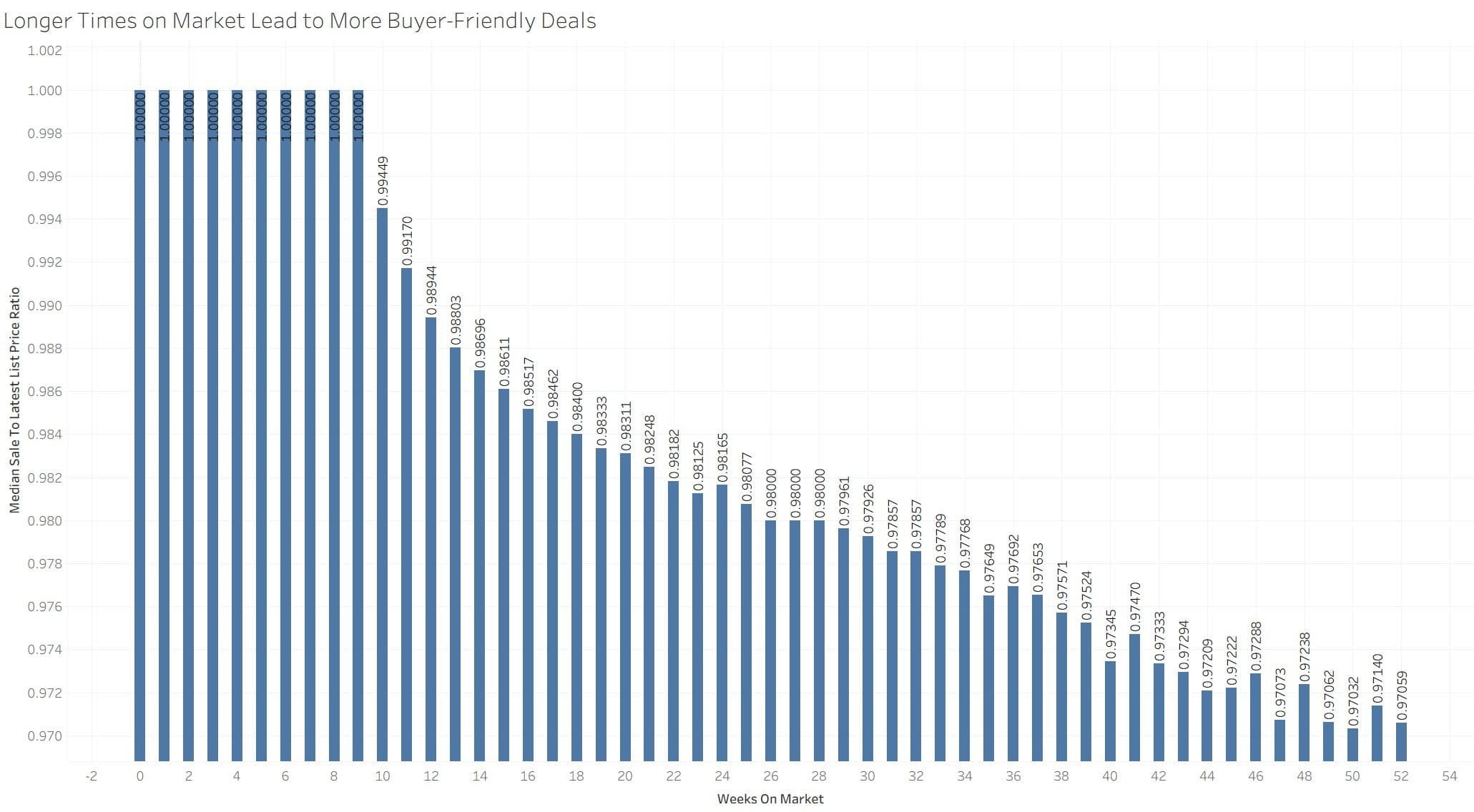
The First Four Weeks of Your Listing Can Make or Break Your Sale
If you are thinking about selling your home this summer, there is one thing you need to get right from day one: your asking price. According to new economic research from Realtor.com, the first four weeks after a home hits the market represent the single most critical window for sellers. Nail the pricing strategy in that opening month, and you could walk away with multiple offers and top dollar. Get it wrong, and you may find yourself slashing your price weeks later and settling for far less than you hoped.
In a market that continues to shift, understanding how buyers respond to initial listing prices is no longer optional knowledge for sellers. It is essential. Here is what the data says, what real estate professionals are seeing on the ground, and what you can do to put yourself in the best possible position before you list.
Why Initial Pricing Is Everything in Real Estate
Selling a home typically follows a familiar pattern. As a seller, you start by reviewing comparable homes, often called comps, that have recently sold in your neighborhood or local market. You use those sale prices to set your initial asking price within a reasonable range. From there, buyer activity during those first critical weeks tells you whether you have priced the home correctly.
Price it too low, and you may actually trigger a bidding war, with multiple buyers competing and driving the final sale price above your original ask. Price it too high, however, and the silence can be deafening. Few or no offers come in, the listing sits, and eventually you are forced to reduce the price to generate renewed interest. By that point, though, you have already lost momentum, and buyers may wonder why the home has been sitting on the market for so long.
The challenge is that many sellers, especially in markets that saw explosive appreciation in recent years, are still holding on to peak-market expectations that no longer reflect current conditions.
The Danger of Aspirational Pricing
"Many sellers are still trying to float an aspirational price, seeing if they can find that one buyer to pay what the comps say is beyond reach," says Steve Jolly, broker at Benchmark Realty in Nashville, TN. This mindset, while understandable, can cost sellers significantly in the long run.
When a listing is overpriced, buyers scroll past it. In today's market, where buyers have access to detailed comparable sales data through apps and real estate websites, an inflated price stands out immediately. Serious buyers know what homes are worth in a given area, and they are unlikely to waste time touring a home they consider overpriced when there are better-valued alternatives available.
The longer a home sits on the market, the more it develops what agents call "listing fatigue." Buyers start to assume something must be wrong with the property, even when nothing is. By the time a seller finally drops the price to a competitive level, the initial excitement and urgency that a fresh listing generates has completely evaporated.
What the Four-Week Window Actually Means for Sellers
The Realtor.com research highlights that most meaningful buyer activity, the kind that actually leads to offers and contracts, happens within the first four weeks of a listing going live. This is when the home is freshest in the eyes of the market. Buyers who have been actively searching are notified immediately when a new listing matches their criteria, and motivated, pre-approved buyers often schedule tours within days.
After that initial window closes, activity drops off sharply. You may still receive inquiries, but the pool of genuinely motivated buyers who are ready to make a decision has already moved on to other listings. That is why pricing correctly from the start is so much more powerful than trying to test the market with a high price and adjusting later.
How to Price Your Home Competitively Without Leaving Money on the Table
Smart pricing does not mean undervaluing your home. It means setting a price that reflects real market conditions and attracts serious buyers. Here are a few practical steps to help you find that sweet spot before you list.
- Study your comps carefully. Look at homes that have sold within the last 90 days in your immediate area. Pay close attention to square footage, condition, and location, and adjust your expectations based on where your home falls in comparison to those sold properties.
- Work with a knowledgeable local agent. A good real estate agent will give you a comparative market analysis (CMA) and will be honest with you about what buyers are currently willing to pay in your neighborhood, even if that number is lower than what you were hoping to hear.
- Resist the urge to test the market. The idea of listing high and reducing later sounds reasonable in theory, but in practice it almost always results in a lower final sale price than listing accurately from the beginning. Buyers who are rejected by an overpriced listing rarely come back after a price drop.
- Think like a buyer. Before you settle on a price, browse active listings in your area the way a buyer would. If your home does not stand out as good value at your chosen price point, it is time to reconsider.
- Factor in current market conditions. Interest rates, inventory levels, and buyer demand all fluctuate. A pricing strategy that worked two years ago may not work today, so rely on current data rather than past performance.
The Bottom Line for Summer Sellers
The summer selling season offers genuine opportunity for homeowners ready to list, but that opportunity is only as strong as the strategy behind it. The research is clear: the first four weeks of your listing are when buyers are paying the most attention, when momentum is at its peak, and when the right price can create the kind of competitive energy that leads to strong offers.
Sellers who approach the market with a realistic, data-driven pricing strategy are the ones who walk away satisfied. Those who chase aspirational numbers tend to spend months chasing buyers instead. If you are preparing to sell this summer, the most valuable thing you can do right now is have an honest conversation with your agent about what your home is actually worth in today's market, and commit to a price that reflects that reality from day one.