
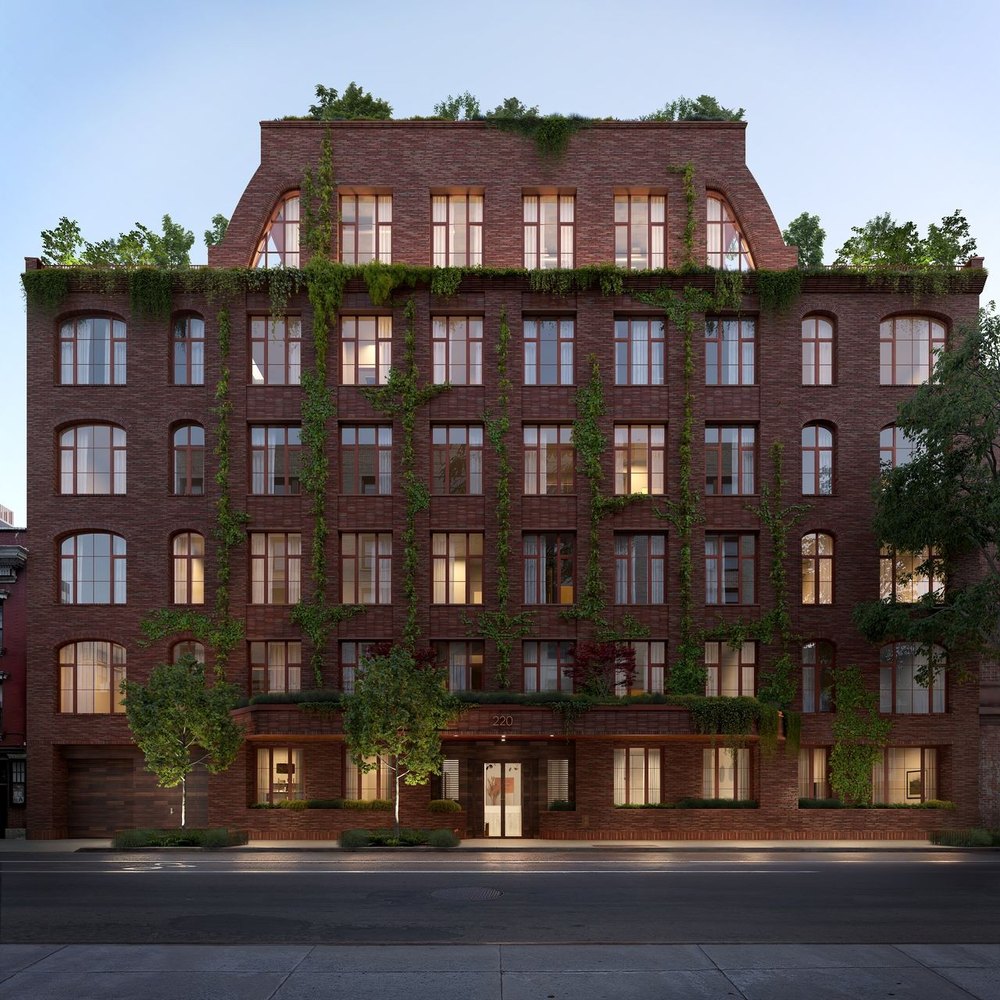
NYC's East Village Is No Longer the Affordable Alternative — Luxury Has Arrived
For decades, Manhattan's East Village was the city's cultural underbelly — a neighborhood defined by punk rock clubs, dive bars, cheap rents, and a rebellious spirit that seemed immune to the glossy gentrification sweeping across the rest of the borough. But a new real estate milestone is signaling that the East Village's era as a relative bargain in Manhattan may be drawing to a close. A luxury residential development at 220 East 9th Street sold all 18 of its units in just 11 weeks, with the final penthouse going under contract for just under $10 million. The sellout is turning heads across the New York City real estate market — and raising important questions about where the neighborhood is headed.
The Development That Defied East Village Expectations
Located on East 9th Street in the heart of one of Manhattan's most storied neighborhoods, 220 East 9th St. launched sales while still under construction and quickly proved there was deep demand for high-end product in a neighborhood not traditionally known for it. The building's 18 units were priced between $1 million and $10 million, spanning a wide spectrum of luxury offerings designed to attract both entry-level luxury buyers and ultra-high-net-worth purchasers looking for something different from the typical Tribeca or West Village address.
What makes this story particularly striking is not just the price tags — it's the speed. Selling out 18 luxury units in 11 weeks, without ever formally listing the building on the open market, is a remarkable achievement in any neighborhood. In the East Village, it is virtually unprecedented.
The Penthouses: A New Benchmark for East Village Pricing
At the top of the building sat three penthouse residences, each commanding prices that would be entirely at home in Manhattan's most coveted ZIP codes. Penthouse A was asking $9.95 million, while Penthouse B carried an ask of $9.75 million. Penthouse C, a slightly more accessible option within the penthouse tier, had already closed earlier in the year at $6.95 million. All three were four-bedroom residences, offering the kind of expansive living space that is increasingly rare anywhere in Manhattan, let alone in a neighborhood where walk-up apartments and shared walls have historically been the norm.
These price points have traditionally been reserved for neighborhoods like the West Village, where the median list price sits around $2.05 million, or ultra-premium enclaves like Tribeca and Chelsea. By contrast, the East Village carries a median list price of approximately $1.49 million — making a $10 million penthouse sale there feel like a genuine market disruption.
Why the East Village? Understanding the Buyer Appeal
The rapid sellout of 220 East 9th St. raises an obvious question: what is drawing luxury buyers to the East Village when they could theoretically purchase in more established high-end neighborhoods? The answer lies in a combination of authenticity, value (relative to Tribeca or the West Village), and a lifestyle proposition that many wealthy buyers find increasingly appealing.
- Cultural character: The East Village retains a gritty, authentic energy that sets it apart from the more sanitized feel of the Meatpacking District or Hudson Yards. For buyers who want luxury finishes without the sterile atmosphere, it offers a compelling alternative.
- Walkability and dining: The neighborhood is densely packed with independent restaurants, bars, and cultural venues, offering a street-level vibrancy that is hard to replicate in newer developments elsewhere in the city.
- Relative value: Even at $10 million, a full-floor penthouse in the East Village can represent better price-per-square-foot value than comparable product in Tribeca or the West Village, where the luxury market is far more competitive and inventory is constrained.
- New construction premium: Buyers in Manhattan are increasingly willing to pay a premium for new construction, which delivers modern amenities, energy efficiency, and contemporary design in buildings that are otherwise rare in established neighborhoods.
What This Means for the Broader East Village Real Estate Market
The sellout at 220 East 9th St. is not happening in a vacuum. Over the past several years, the East Village has been quietly undergoing a transformation, with new restaurants, boutique hotels, and upscale retail gradually filling the spaces left behind by longtime tenants pushed out by rising rents. While the neighborhood still maintains much of its cultural DNA — indie music venues, community gardens, and a strong local identity — the economic pressures of Manhattan real estate are clearly making their presence felt.
For prospective buyers who have long viewed the East Village as a more affordable entry point into Manhattan living, the implications of this sellout are significant. If luxury developers can successfully market and close $10 million penthouses in a neighborhood whose median list price is $1.49 million, it signals that the gap between the East Village and its more expensive neighbors is beginning to close. Future developments in the area are likely to be priced with this new benchmark in mind.
No Listing, No Problem: The Off-Market Luxury Strategy
One of the most telling details about this transaction is how the sales were conducted. According to the development's sales team, the building was never formally listed on the open market. Instead, units were sold through a targeted, relationship-driven approach that relied on the broker network and word of mouth rather than public listings. This off-market strategy, increasingly common in ultra-luxury Manhattan sales, speaks to the level of pent-up demand that existed for this specific product in this specific location.
It also underscores a broader trend in New York City's luxury real estate market: the most desirable properties are increasingly sold before they ever reach platforms like StreetEasy or Zillow, with connected buyers and their brokers moving quickly to secure units in buildings they believe will appreciate significantly.
The Future of Luxury Real Estate in the East Village
The success of 220 East 9th St. is likely to inspire additional luxury development in the East Village and adjacent neighborhoods like the Lower East Side and Alphabet City. Developers who have historically overlooked these areas in favor of more established luxury corridors will now have a compelling proof-of-concept to point to when underwriting new projects.
For longtime residents and neighborhood advocates, this trajectory raises legitimate concerns about displacement and the preservation of the character that made the East Village worth living in — and worth paying a premium to live near — in the first place. The tension between authentic neighborhood identity and luxury real estate development is one that Manhattan has navigated, with varying degrees of success, for decades.
What is clear is that the East Village is at an inflection point. The sellout at 220 East 9th St. in just 11 weeks, culminating in a near-$10 million penthouse sale, marks a new chapter for a neighborhood that has always been defined by reinvention. Whether that reinvention ultimately enriches the East Village or erases it remains the central question — and the answer will likely be written one development at a time.