
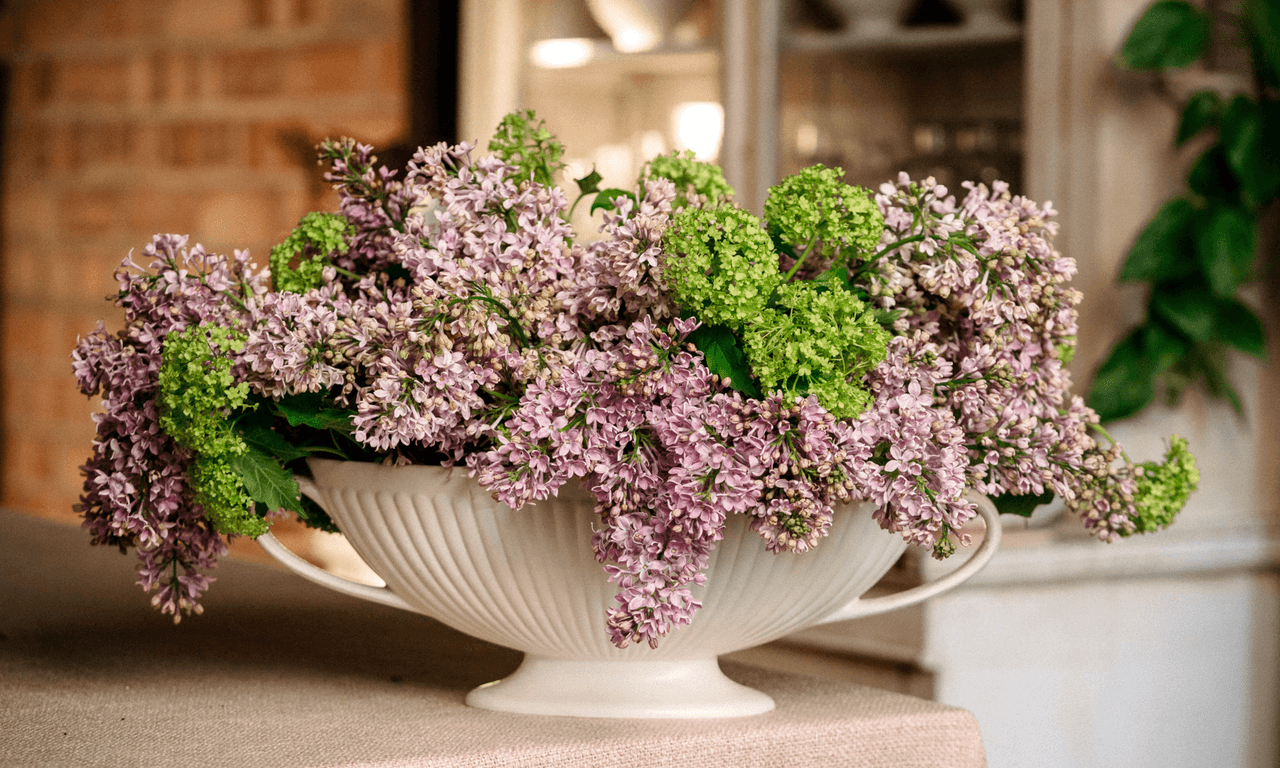
Why Seasonal Flowers Are the Secret to a Stunning Table Design
There is something quietly magical about a table dressed in flowers that feel like they were gathered that very morning. No stiff imported blooms, no out-of-season orchids wrapped in cellophane — just petals and greenery that belong to the moment. Creating an abundant table design with seasonal flowers is one of those skills that looks intimidating from the outside but, once you understand a few core principles, becomes one of the most rewarding and genuinely enjoyable things you can do for any gathering, from an intimate weeknight dinner to a full-scale celebration.
The good news is that you do not need to be a trained florist, own a flower shop, or spend a small fortune at a boutique studio. What you do need is a willingness to look at what is growing right now, an eye for color and texture, and a handful of techniques that professionals use every single time they build a beautiful table. This guide walks you through all of it.
Start With What the Season Is Already Offering You
The single most important decision you will make when designing a floral table is choosing flowers that are in season. This is not just a cost consideration, though it is worth noting that seasonal flowers can cost a fraction of what out-of-season varieties do. More importantly, flowers that are in their natural growing window are fuller, more fragrant, longer-lasting, and structurally stronger. They hold their shape under warm indoor lighting. They drink water efficiently. They do not wilt after two hours on a table.
In spring, lean into tulips, ranunculus, sweet peas, hyacinths, and the first peonies. Summer gives you an almost overwhelming abundance: dahlias, zinnias, sunflowers, cosmos, lisianthus, and garden roses. Autumn calls for dried grasses, chrysanthemums, celosias, marigolds, and the rich berry tones of hypericum. Winter, often overlooked as a floral season, offers paperwhites, amaryllis, hellebores, holly, eucalyptus, and forced branches of quince or cherry.
Visit a local farmers market, a flower farm, or even a well-stocked grocery store and simply buy what looks alive and abundant. That instinct is more reliable than any Pinterest board.
Understanding the Three-Layer Rule for Abundant Arrangements
Every professional floral designer, whether they work in a Manhattan studio or a countryside barn, builds table arrangements using three distinct layers. Once you understand this rule, you will be able to look at any centerpiece and reverse-engineer exactly how it was made.
- The foundation layer is your greenery and foliage. This establishes the shape, volume, and overall structure of the arrangement. Think eucalyptus, fern fronds, ivy, salal leaves, or even fresh herbs like rosemary and mint. Place these first, letting them cascade naturally over the edge of your vessel to soften hard lines.
- The focal flower layer consists of your two or three star blooms — the flowers with the most visual weight and presence. These are your peonies, your dahlias, your garden roses. Place them at slightly varying heights, never in a perfectly symmetrical cluster, to create movement and depth.
- The filler layer bridges the gaps between focal flowers and foundation greenery. This is where smaller blooms like wax flower, baby's breath, cosmos, or sweet peas come in. They add whimsy, texture, and the sense of abundance that makes a table feel truly lush rather than just decorated.
Working in these three layers consistently, regardless of the flowers you are using or the style you are going for, is what separates arrangements that look designed from those that look assembled.
Choosing Vessels That Complement Rather Than Compete
Your container is part of the design. A low, wide-mouthed ceramic bowl creates a relaxed, garden-gathered feeling. A tall glass cylinder offers a more architectural, modern look. Vintage brass pitchers, terracotta pots, wooden boxes lined with plastic, and even mismatched glass bottles grouped together can all serve as vessels depending on the mood you want to create.
For long tables, one of the most effective approaches is to create a continuous runner using multiple smaller vessels rather than one large centerpiece. This keeps sightlines open across the table, allows guests to see one another easily, and gives the entire table surface a sense of movement and generosity. Cluster vessels in odd numbers — three, five, or seven — and vary the heights slightly for visual rhythm.
Pro Tips for Making Your Arrangement Last
Longevity is where many DIY table designs fall short, not because of skill, but because of a few overlooked preparation steps.
- Always condition your flowers the night before. Cut stems at a 45-degree angle under water, strip any leaves that will sit below the waterline, and let them hydrate in a cool space for at least eight hours before arranging.
- Use floral foam or a flower frog to anchor stems in wider vessels. This gives you control over the direction and angle of every bloom.
- Change the water every day if the arrangement is staying up for more than one evening, and mist the petals lightly to keep them from drying out in air-conditioned rooms.
- Keep arrangements away from direct sunlight and fruit bowls. Ethylene gas released by ripening fruit accelerates wilting significantly.
Bringing the Whole Table Together
Flowers are only one element of a table's story. The linen underneath, the candles alongside, the texture of the tableware — all of these things interact with your arrangement. Where possible, choose linens in muted or neutral tones so your flowers read as the star. Unbleached linen, washed cotton in sage or oatmeal, or even simple white cloth all work beautifully as a backdrop.
Tuck a few loose petals or small stems near place settings to extend the garden feeling along the full length of the table. A single sprig of rosemary or a small blossom laid across a folded napkin takes less than a minute per seat and transforms the entire dining experience.
An abundant table does not require abundance of effort. It requires intention, a little preparation, and the willingness to trust what the season has to offer. Start there, and the flowers will do the rest.