
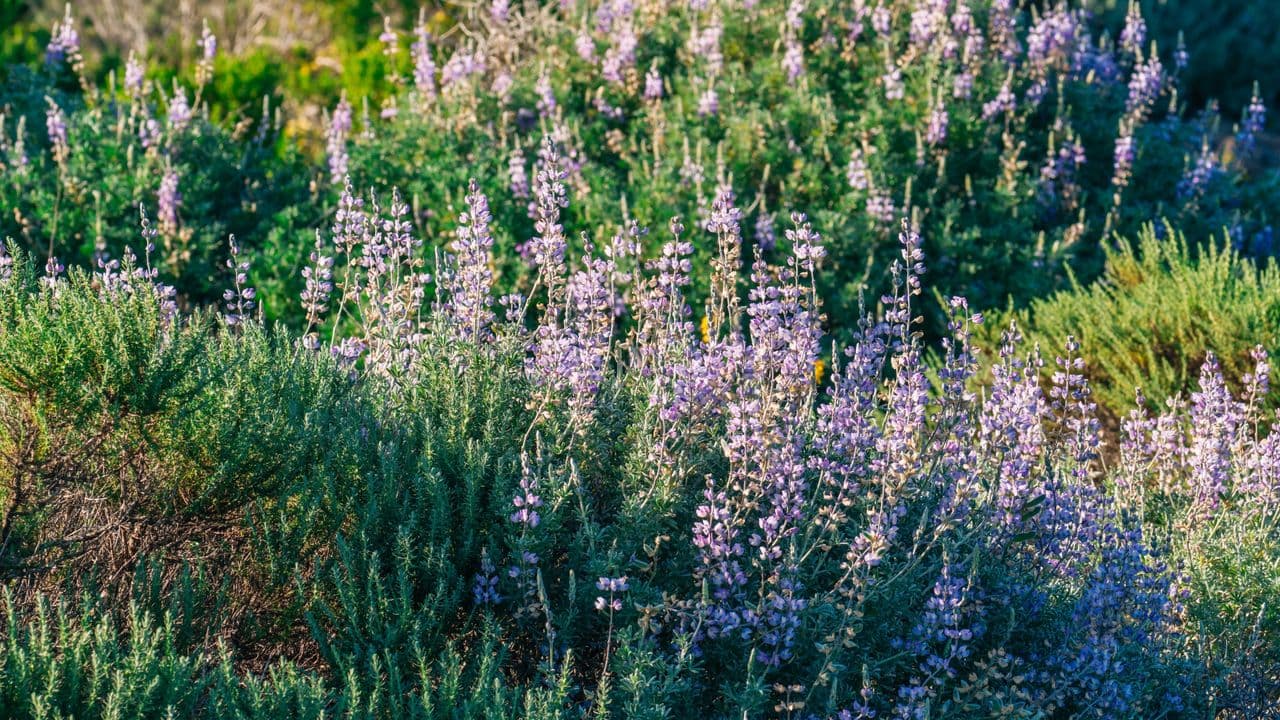
Is Your Garden a Hidden Fire Hazard?
For most homeowners, the garden is a place of beauty, relaxation, and pride. But as wildfires continue to devastate communities across the American West, South, and increasingly the Midwest, landscape professionals and fire safety experts are sounding an urgent alarm: many of the plants people love most are quietly making their properties far more vulnerable to fire. The good news is that with a few strategic swaps, you can have a stunning garden that also helps protect your home when conditions turn dangerous.
Understanding which plants pose the greatest risk — and why — is the first step toward building what fire safety experts call a "defensible space." This is a buffer zone around your home where vegetation is managed to slow or stop the spread of wildfire, giving your structure a better chance of surviving and giving firefighters a safer area in which to work.
Why Some Plants Burn Faster and Hotter Than Others
Not all plants are created equal when it comes to fire. Several factors determine how easily and intensely a plant will ignite and sustain flame. Plants that are naturally high in oils, resins, or waxes burn more readily and at higher temperatures. Drought-stressed plants with dry, dead material accumulating inside them act like ready-made kindling. Plants with fine, feathery, or papery foliage ignite more quickly than those with broad, moisture-retaining leaves. And plants that grow in dense thickets or mounds create concentrated fuel loads that can send fire racing toward a structure with terrifying speed.
These characteristics aren't always obvious to the casual gardener, which is exactly why so many risky plants continue to thrive in American yards — sometimes even recommended by nurseries or featured in popular landscaping magazines.
Common Garden Plants That Increase Fire Risk
Ornamental Grasses
Few trends have dominated American landscaping over the past two decades as powerfully as ornamental grasses. Pampas grass, fountain grass, and maiden grass are found in millions of yards from California to the Carolinas. But these plants are among the most dangerous additions to a fire-prone landscape. Their long, dry seed plumes and dense, papery foliage create ideal burning conditions. Invasive species like the African fountain grass have already been linked directly to spreading wildfires in Hawaii and the American Southwest. Even after a garden has been watered, the interior of a mature ornamental grass clump remains bone dry and highly combustible.
Juniper Shrubs
Junipers are everywhere in American landscaping, valued for their low maintenance, evergreen color, and tolerance for poor soils. Unfortunately, they are also notorious among fire officials as one of the most dangerous plants to have near a home. Their resin-rich foliage ignites explosively, and the dead material that accumulates inside older plants acts as a ready-made fire starter. Horizontal varieties that spread along the ground can carry fire directly to a home's foundation with alarming speed. In many Western states, fire agencies specifically warn homeowners to remove junipers from the zone immediately surrounding their homes.
Rosemary
This beloved culinary and ornamental herb is another surprising fire hazard. Rosemary's aromatic oils — the same oils that make it so delightful in the kitchen — are highly flammable. As a dense, woody shrub, mature rosemary plants trap dry material inside and retain little moisture in their leaves. Planted in hedges or foundation borders, they can create a continuous fuel pathway directly toward a structure. This doesn't mean you can never grow rosemary, but its placement and quantity near a home deserve careful consideration.
Eucalyptus Trees
Originally imported from Australia, eucalyptus trees have become a fixture of California's landscape — and a major concern for wildfire experts. These fast-growing trees shed enormous quantities of dry bark, leaves, and seed pods that accumulate on the ground as highly combustible litter. Their oil-rich foliage burns intensely, and their tendency to drop large limbs can spread fire unpredictably. Communities throughout the Bay Area and Southern California have had difficult conversations about the role eucalyptus groves play in accelerating wildfire spread.
Leyland Cypress
Widely planted as a privacy screen in the South and Mid-Atlantic states, Leyland cypress is another high-risk choice. Its dense, resinous foliage dries out significantly during drought conditions, and its columnar shape creates a vertical channel that can send flames upward quickly — what fire professionals sometimes call a "ladder fuel" effect.
Safer Plant Choices for a Fire-Resistant Garden
Switching to fire-resistant plants doesn't mean sacrificing beauty or interest. Many of the best alternatives are native species that also support local pollinators and require less water once established — making them genuinely better choices on multiple levels.
Succulents and Agaves
Succulents store large amounts of moisture in their fleshy leaves, making them naturally fire-resistant. Agave, aloe, and sedum are all excellent choices for low-maintenance, fire-safe plantings, particularly in the zone immediately surrounding a home.
California Lilac (Ceanothus)
Native to much of the American West, California lilac is a beautiful flowering shrub that supports native bees and butterflies while presenting far less fire risk than junipers or ornamental grasses. Its relatively high moisture content and less oily foliage make it a much smarter choice for fire-prone regions.
Rockrose (Cistus)
Though technically producing some combustible compounds, rockrose burns far less intensely than junipers or eucalyptus, recovers quickly after fire, and provides stunning flowers through the spring and early summer. It is widely used in fire-safe landscaping plans throughout Mediterranean-climate regions of the United States.
Idaho Fescue and Other Native Bunchgrasses
If you love the look of ornamental grasses, consider replacing invasive or high-risk varieties with native bunchgrasses like Idaho fescue or blue grama. These plants grow in discrete clumps rather than spreading mats, reducing the continuous fuel pathway that makes many ornamental grasses so dangerous.
Practical Steps to Reduce Fire Risk in Your Landscape
Choosing the right plants is only part of the equation. Equally important is how you manage them. Fire safety experts recommend maintaining a zone of low, well-irrigated, well-spaced plants within the first thirty feet of your home. Remove dead material regularly, avoid planting in continuous rows or masses that could carry fire, and keep plants pruned so there is clear separation between them. Hardscaping elements like gravel pathways, stone borders, and concrete patios can also create effective firebreaks within a landscape design.
Consulting with your local fire department or a certified fire-adapted landscaping professional is one of the most valuable investments you can make in your home's safety. Many county fire agencies offer free home assessments and plant lists tailored to your specific region, climate, and fire risk level.
A Garden That Looks Good and Keeps You Safer
The shift toward fire-smart landscaping doesn't require a bare, utilitarian yard. With the right plant choices and thoughtful design, it's entirely possible to create a garden that is lush, colorful, ecologically rich — and meaningfully safer when fire season arrives. The decisions you make in your garden today could make a genuine difference for your home and your neighborhood in the years ahead. Start with one swap, learn as you go, and share what you discover with the people around you. Fire safety, like gardening itself, is always better as a community effort.