
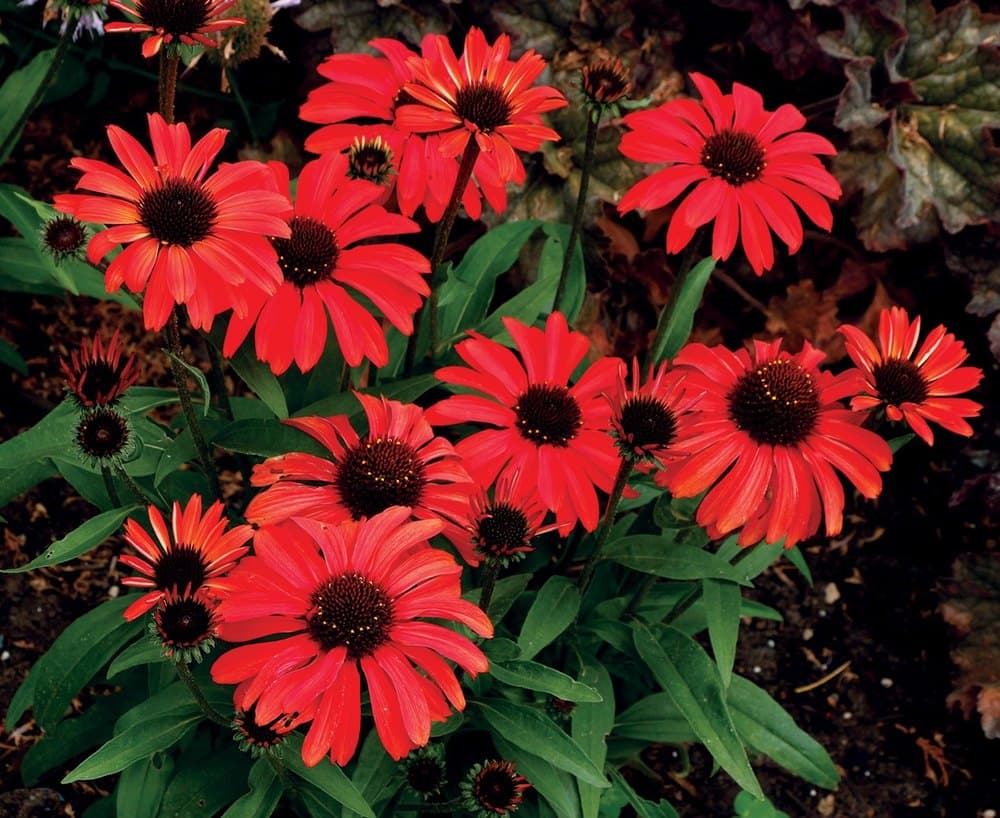
Celebrate Pride Month With a Rainbow Garden That Gives Back to Nature
Pride Month is a time for visibility, celebration, and community — and this year, one of the most meaningful ways to honor that spirit might be right outside your front door. Planting a rainbow garden using native perennials is a vibrant, eco-conscious way to show solidarity with the LGBTQ+ community while simultaneously transforming your yard into a living, breathing ecosystem. Whether you have a sprawling front lawn or a modest walkway border, a spectrum garden can turn your outdoor space into a colorful statement that lasts all season long — and beyond.
Why Native Perennials Are the Best Choice for a Rainbow Garden
Before diving into color palettes and plant layouts, it's worth understanding why native perennials are the gold standard for this kind of garden project. Native plants have evolved alongside the local wildlife in your region for thousands of years. That means they're naturally adapted to your soil type, rainfall patterns, and climate — which translates to less watering, fewer pesticides, and significantly less maintenance on your part.
Chuck Pavlich, director of new product development at Terra Nova Nurseries in Canby, OR, puts it simply: "Native plants are from the same habitat of your region's wildlife, meaning bees, butterflies, and hummingbirds can quickly move in and kick off a self-sustaining cycle of nectar, pollen, and pollination. They ultimately keep your entire garden healthier and more resilient."
Beyond ecological benefits, native perennials return year after year, meaning your investment of time and money pays dividends every spring. Once established, a well-designed native garden essentially takes care of itself, freeing you from the constant replanting that annual flower beds demand.
How to Design a Rainbow Garden by Color Zone
The visual power of a rainbow garden comes from intentional color organization. The key is to arrange plants in flowing, sweeping drifts rather than stiff, geometric stripes. Think of how a real rainbow appears in the sky — gradual, arcing, and blended at the edges rather than sharply divided.
Linda Vater, a garden designer based in Oklahoma City and author of A Year of Garden-Inspired Living, recommends a painterly approach: "Plant in a sweeping diagonal drift — red at one end fading through orange, yellow, green, blue, and violet at the other — rather than rigid stripes. This mimics the natural arc of a rainbow and creates the painterly, intentional quality that elevates a walkway into an experience."
To get started, map out your garden bed and divide it loosely into six color zones. Allow the edges between zones to overlap slightly so the transition feels organic. Aim for groups of three to five plants per color section for visual impact, especially when viewed from the street.
Native Perennial Plant Suggestions by Rainbow Color
Selecting the right plants for each color zone is where the fun really begins. Here's a breakdown of native perennials organized by the colors of the rainbow:
Red
- Cardinal Flower (Lobelia cardinalis) — A hummingbird magnet with brilliant scarlet spikes that thrive in moist, partially shaded spots.
- Red Columbine (Aquilegia canadensis) — Delicate, nodding blooms that attract early-season pollinators and self-seed readily.
- Scarlet Bee Balm (Monarda didyma) — A fragrant, showy perennial beloved by both bees and butterflies.
Orange
- Butterfly Weed (Asclepias tuberosa) — A milkweed species that is essential for monarch butterflies and produces vivid orange clusters all summer.
- Helenium 'Mardi Gras' — Bold, daisy-like flowers in warm amber and burnt orange that bloom from midsummer into fall.
Yellow
- Black-Eyed Susan (Rudbeckia hirta) — A classic native wildflower with golden-yellow petals and a rich brown center; nearly indestructible once established.
- Prairie Coneflower (Ratibida pinnata) — Tall and airy with drooping yellow petals, perfect for adding height to the middle of a garden bed.
Green
True green-flowering plants are rare, but you can achieve this zone through bold foliage. Consider Wild Ginger (Asarum canadense) as a low-growing ground cover, or use the structural leaves of Blue Wild Indigo (Baptisia australis) before its purple blooms emerge. Ornamental sedges like Pennsylvania Sedge (Carex pensylvanica) also add textured, grass-green depth to the palette.
Blue
- Blue Wild Indigo (Baptisia australis) — A long-lived native with stunning indigo-blue flower spikes that appear in late spring.
- Spiderwort (Tradescantia ohiensis) — Easy-to-grow native with vivid blue-violet flowers that open in the morning and attract native bees.
Violet
- Purple Coneflower (Echinacea purpurea) — One of the most iconic native perennials; produces rosy-purple blooms that attract butterflies and goldfinches.
- Prairie Blazing Star (Liatris pycnostachya) — Striking vertical spikes of rich purple that create dramatic contrast at the end of the color drift.
Tips for Planting and Maintaining Your Spectrum Garden
Once you've chosen your plants, preparation is everything. Start by removing existing turf or weeds from your garden bed and amending the soil lightly with compost — most native plants prefer lean, well-draining soil over heavily fertilized ground. Avoid the temptation to over-fertilize, as this can actually encourage lush foliage at the expense of blooms.
Plant in the spring after your last frost date, or in early fall to give roots time to establish before winter. Water consistently during the first growing season, then step back and let the plants do what they were born to do. Mulching around the base of each plant will help retain moisture and suppress weeds during that critical first year.
Deadheading spent blooms mid-season encourages repeat flowering in many species, but resist the urge to cut everything back in autumn. Seed heads left standing through winter provide critical food for birds and overwintering habitat for beneficial insects.
Curb Appeal That Makes a Statement
A rainbow garden does more than just look beautiful — it tells a story. Positioned along a walkway, driveway border, or front foundation bed, a spectrum garden signals to neighbors and passersby that your home is a welcoming, inclusive space. It starts conversations. It invites admiration. And thanks to the resilience of native perennials, that statement gets bolder and more established with each passing year.
This Pride Month, consider trading out a strip of lawn for something that grows with purpose. A rainbow garden planted with native perennials is one of the most joyful, lasting, and ecologically responsible ways to bring color, community, and life to your corner of the world.