
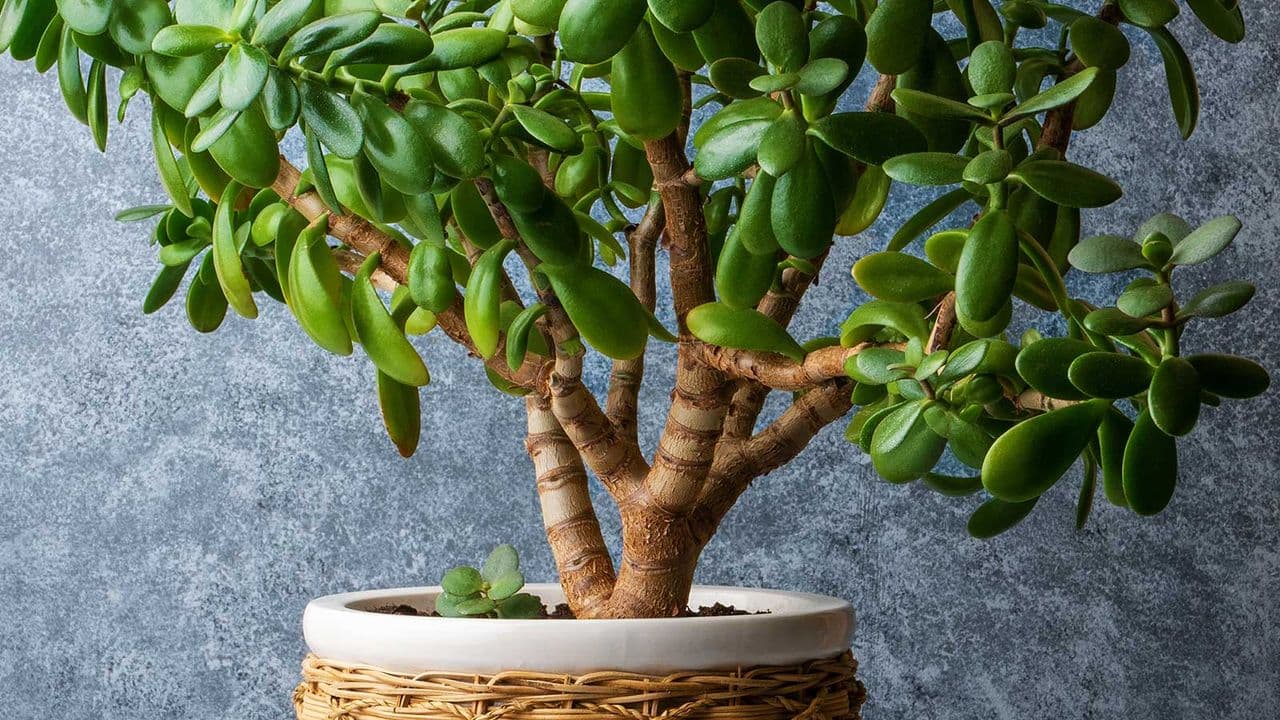
What To Do With A Jade Plant In June – 5 Easy Tasks For Lush, Sculptural Growth All Summer Long
June is one of the most exciting months in the jade plant calendar. As daylight hours peak and temperatures rise, your jade plant (Crassula ovata) wakes up from its semi-dormant winter state and enters an active phase of growth. This is your golden window — a few weeks where the right care tasks can set the tone for the entire season ahead. Whether your jade plant is a compact desk companion or a sprawling, tree-like specimen, knowing what to do in June makes all the difference between a plant that merely survives and one that genuinely thrives.
Below you'll find five straightforward, high-impact tasks to complete in June that will reward you with the lush, sculptural growth jade plants are famous for.
1. Resume Regular Watering — But Do It Thoughtfully
During winter, most jade plant owners (rightly) scale back on watering to prevent root rot during dormancy. June signals the time to gradually reintroduce a more consistent watering routine. However, "more consistent" does not mean "more water." Jade plants are succulents, and overwatering remains the number one killer of an otherwise healthy plant at any time of year.
The best approach in June is the soak-and-dry method. Water your jade plant deeply — until water runs freely out of the drainage holes — then allow the soil to dry out almost completely before watering again. In warm summer conditions, this cycle typically takes about one to two weeks depending on pot size, humidity, and light levels. Always check the soil a few inches down with your finger before reaching for the watering can. If it still feels even slightly damp, wait another day or two.
Signs of overwatering include yellowing leaves, mushy stems, and soil that never seems to dry out. Signs of underwatering include wrinkled or shriveled leaves and a lightweight pot. Finding the balance is key, and June is the perfect month to dial it in.
2. Move Your Jade Plant Into Brighter Light
Jade plants are sun lovers at heart. During the shorter, grayer days of winter, many houseplant owners keep their jade plants near a window that simply doesn't deliver enough direct light. June's long days offer an opportunity to fix that and encourage the kind of compact, bushy, well-structured growth that makes jade plants so visually striking.
If your jade plant has been living indoors all winter, consider gradually moving it to a spot that receives four to six hours of direct sunlight per day. A south- or west-facing windowsill is ideal. If you live in a mild climate, you can even move your jade plant outdoors to a sheltered patio or balcony. Just be sure to acclimate it slowly — moving a plant from low light directly into full outdoor sun can cause sunburn, which shows up as pale or bleached patches on the leaves.
Spend the first week placing it in bright indirect light before introducing more direct sun. After that transition, you'll likely notice the stems thickening and the leaf color deepening to a richer, darker green with the characteristic reddish tips that indicate a healthy, well-lit jade plant.
3. Prune and Shape for Sculptural Structure
June is arguably the best month of the year to prune a jade plant. With active growth just kicking in, the plant will recover quickly and send out new branches right where you make your cuts. This is how you create the dense, tree-like canopy that makes mature jade plants look so architectural and impressive.
Use a clean, sharp pair of scissors or pruning shears and cut just above a leaf node — the point where a leaf meets the stem. Removing leggy, overly long branches encourages the plant to branch out rather than continue growing in a single direction. You can also pinch off the growing tips of younger stems with your fingers to promote bushier side growth.
Don't discard those cuttings. Jade plant cuttings root very easily and can be propagated into new plants — more on that below. When pruning, step back regularly to assess the overall shape and work toward a balanced, pleasing silhouette.
4. Propagate Your Cuttings
One of the great joys of growing jade plants is how willingly they propagate. The cuttings you collect during your June pruning session can become entirely new plants within just a few weeks. There are two reliable methods:
- Stem cuttings: Allow the cut end to callous over for two to three days in a dry, shaded spot. Then place it about an inch deep into dry or barely moist succulent potting mix. Do not water for the first week. Roots typically develop within three to four weeks.
- Leaf propagation: Gently twist a healthy leaf from the stem, ensuring it comes away cleanly with no tearing. Lay it on top of dry succulent soil in a bright spot. Tiny rosettes and roots will emerge from the base of the leaf over the coming weeks.
June's warm temperatures and long days create ideal conditions for rooting, making this the perfect time to expand your jade plant collection or gift new plants to friends and family.
5. Feed With a Balanced Fertilizer
Because jade plants are in active growth mode during summer, June is the right time to introduce a light feeding routine. Choose a balanced, water-soluble fertilizer with an equal ratio of nitrogen, phosphorus, and potassium (such as a 10-10-10 or 20-20-20 formula) diluted to half the recommended strength. Apply it once a month through the summer growing season, stopping in late September as the plant begins to slow down again ahead of winter.
Avoid over-fertilizing, which can cause rapid, weak growth and salt buildup in the soil. Less is genuinely more when it comes to feeding succulents. A gentle, consistent approach will produce stronger stems, thicker leaves, and a more robust overall structure over time.
A Final Word on June Jade Plant Care
Jade plants are wonderfully forgiving, long-lived companions that reward even a little extra attention with years — sometimes decades — of beautiful growth. June represents a turning point in the annual care cycle, and the five tasks outlined here are all you need to capitalize on the season. Resume thoughtful watering, maximize light exposure, prune for shape, propagate your cuttings, and feed sparingly. Do these things consistently, and your jade plant will enter summer looking its very best — lush, sculptural, and full of life.