
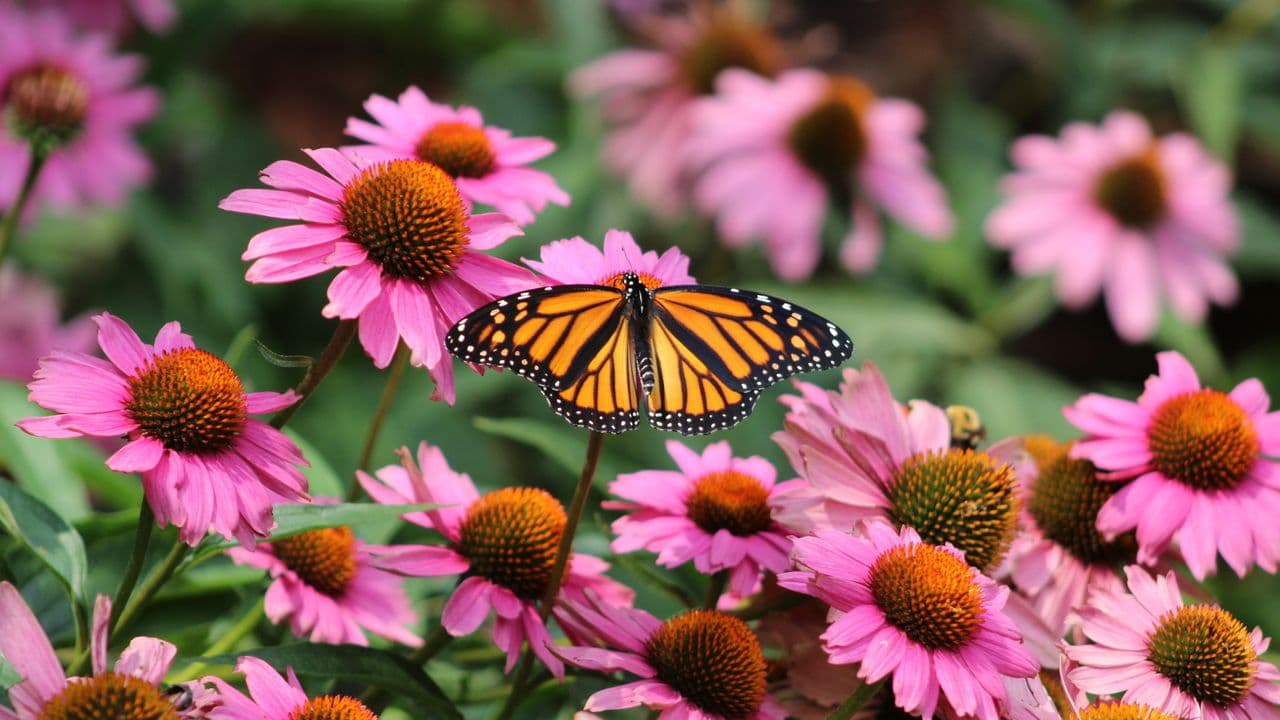
What to Do With Coneflowers in June – 6 Jobs Garden Experts Never Skip to Unlock Months of Color
June is one of the most exciting months in the garden, and if you grow coneflowers — also known by their botanical name Echinacea — it's a pivotal time that can make or break your summer display. These beloved North American natives are celebrated for their hardiness, their pollinator appeal, and their long, colorful blooming season. But even the toughest plants benefit from a little expert attention at the right moment. Miss these six key jobs in June, and you risk a shorter bloom window, weaker plants, and a garden that fizzles out before August even arrives. Stay on top of them, and you'll be rewarded with months of vibrant color stretching all the way into fall.
Whether you're a seasoned gardener or just starting your first perennial border, here's exactly what garden experts recommend doing with your coneflowers this June.
1. Deadhead Spent Blooms to Encourage Continuous Flowering
Deadheading — the practice of removing faded or finished flower heads — is arguably the single most impactful thing you can do for your coneflowers in June. As the season's first flush of blooms begins to fade, cutting them back signals the plant to redirect its energy away from seed production and toward generating new flower buds. The result is a significantly extended blooming period that can push color well into September or even October in milder climates.
To deadhead correctly, use clean, sharp scissors or pruning shears and cut the spent bloom stem back to just above a set of healthy leaves or a side shoot. Avoid simply snapping off the flower head, as this can leave behind a ragged stem that invites disease. Aim to check your plants every few days during peak bloom season, removing flowers as they begin to drop their petals and the central cone starts to dry out.
One important note: if you want to attract goldfinches and other seed-eating birds to your garden later in the season, leave some of the later spent blooms in place. The dried seed heads are a valuable winter food source and add structural interest to the autumn garden.
2. Water Deeply but Infrequently
Coneflowers are drought-tolerant once established, but June — when many plants are putting on significant growth and beginning to bloom — is not the time to be stingy with water. Young plants and those in their first or second year especially need consistent moisture to develop deep, robust root systems that will sustain them through the heat of summer.
The key is to water deeply and infrequently rather than giving plants a light sprinkle every day. Deep watering encourages roots to grow downward in search of moisture, making plants more resilient during dry spells. Aim to provide around one inch of water per week, either from rainfall or supplemental irrigation. Water at the base of the plant rather than overhead to reduce the risk of fungal diseases such as powdery mildew, which can become a problem on coneflowers during warm, humid weather.
3. Apply a Layer of Mulch Around the Base
If you haven't already mulched your coneflowers, June is an excellent time to do it. A two-to-three-inch layer of organic mulch — such as shredded bark, wood chips, or composted leaves — applied around the base of each plant delivers a host of benefits. It retains soil moisture between waterings, suppresses competing weeds, regulates soil temperature during summer heat spikes, and gradually breaks down to improve soil structure and fertility over time.
Be careful to keep the mulch a few inches away from the crown of the plant, as piling it directly against the stems can trap moisture and promote rot. A neat mulch ring is both functional and visually tidy, giving your border a well-maintained appearance.
4. Feed with a Low-Nitrogen Fertilizer
Coneflowers are not heavy feeders, and over-fertilizing — particularly with nitrogen-rich products — can actually work against you, producing lush, leafy growth at the expense of flowers. In June, if your soil is not particularly rich, a single application of a balanced, slow-release fertilizer with a lower nitrogen ratio (look for something with a formulation like 5-10-10) can give plants the phosphorus boost they need to support strong, abundant blooms.
Alternatively, top-dressing with a thin layer of well-rotted compost around the base of each plant is a gentler, more organic approach that feeds the soil ecosystem as well as the plant. Avoid feeding plants that are already blooming heavily in rich soil — they simply don't need it.
5. Divide Overcrowded Clumps if Necessary
Established coneflower clumps that have been in place for three or more years can become dense and overcrowded, with reduced flowering and less vigorous growth as a result. While fall is typically the preferred time for dividing perennials, early June — before the heat of summer arrives and while plants still have time to re-establish — can work well in cooler climates.
To divide, carefully dig up the entire clump, tease it apart into sections with a sharp spade or garden fork, and replant divisions at the correct spacing (around 18 to 24 inches apart for most varieties). Water divisions in well and keep them consistently moist for the first few weeks as they settle into their new positions. This process also gives you free plants to fill other areas of the garden or share with fellow gardeners.
6. Scout for Pests and Disease Early
June is prime time for common coneflower pests and diseases to take hold, and catching problems early is far easier than dealing with a full-blown infestation or infection later in the season. Keep a close eye out for Japanese beetles, which can skeletonize leaves and damage flowers rapidly. Aphids sometimes cluster on new growth and flower buds, while eriophyid mites can cause a distinctive condition known as aster yellows, which distorts growth and produces strange, stunted blooms.
For minor pest issues, a strong blast of water from a garden hose or hand-picking is often sufficient. Aster yellows, caused by a phytoplasma spread by leafhoppers, has no cure — affected plants should be removed and disposed of in the trash (not the compost) to prevent spread. Powdery mildew can be managed by improving air circulation around plants and avoiding overhead watering.
Make June Count for Months of Color
Coneflowers are some of the most rewarding perennials you can grow, offering striking blooms, wildlife value, and genuine resilience with minimal fuss. But like all garden plants, they respond beautifully to a little thoughtful care at the right moment. By staying on top of these six essential June jobs — deadheading, watering smartly, mulching, feeding carefully, dividing when needed, and scouting for problems early — you set your plants up for a long, brilliant performance that will carry your garden through the heart of summer and well beyond.
The investment of time is small. The reward in color, pollinators, and garden satisfaction is substantial. Get out there this June and give your coneflowers the attention they deserve.