
Visionary Student Projects from American University in Dubai Take Centre Stage
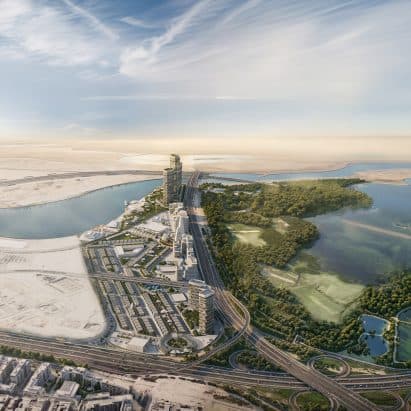
The next generation of architects and urban designers is making a bold statement. The American University in Dubai (AUD) has once again captured the attention of the global design community with a compelling selection of student projects featured in Dezeen School Shows — an annual platform that celebrates outstanding work from architecture and design schools around the world. Among the highlights is an ambitious masterplan exploring how the built environment can be deliberately shaped to influence human emotion, a concept that sits at the cutting edge of contemporary urban thinking.
These student projects represent more than academic exercises. They reflect a generation of designers deeply engaged with the social, psychological, and environmental responsibilities that come with shaping cities. From zoned neighbourhoods to waterfront urban visions, AUD students are demonstrating that Dubai — and the broader Gulf region — is fertile ground for architectural innovation.
What Is a Zoned Neighbourhood and Why Does It Matter?
At the heart of this year's showcase is a masterplan centred on the idea of a zoned neighbourhood — an urban design strategy that carefully divides a district into distinct areas, each tailored to specific human needs, activities, and emotional states. Unlike traditional zoning, which is typically driven by land use categories such as residential, commercial, or industrial, this student-led approach places human psychology and lived experience at the core of planning decisions.
The concept challenges the conventional wisdom of how cities are built. Rather than designing spaces purely for functional efficiency, the student masterplan asks a more profound question: how does the environment around us make us feel, and how can architects consciously design for positive emotional outcomes? It is a question that urban planners, psychologists, and community advocates have wrestled with for decades, and seeing it tackled with such clarity and ambition at the student level is genuinely exciting.
This approach is particularly relevant in a city like Dubai, where rapid development has sometimes prioritised spectacle and scale over the subtler qualities of walkability, community, and human connection. A zoned neighbourhood model that foregrounds emotional wellbeing offers a meaningful counterpoint to that trajectory.
The Role of Dezeen School Shows in Elevating Emerging Talent
Dezeen School Shows has become one of the most respected platforms for showcasing student architecture and design work globally. By giving university departments the opportunity to present their graduates' projects directly to an international audience, the initiative bridges the gap between academic study and professional practice. For students at institutions like the American University in Dubai, this kind of visibility can be genuinely career-defining.
The programme also serves a broader purpose: it documents the evolving priorities and preoccupations of the next architectural generation. Looking across the projects featured from AUD and other institutions, certain themes emerge consistently — sustainability, social equity, adaptive reuse, and the psychological impact of design. These are not peripheral concerns. They are increasingly central to how the world's leading architecture practices and planning bodies are approaching their work.
American University in Dubai: Cultivating Architectural Thinking in the Gulf
The American University in Dubai has long been recognised as one of the region's most dynamic centres for creative and professional education. Its architecture and design programmes benefit from a uniquely stimulating context: Dubai itself is an ever-evolving urban laboratory, where bold experiments in city-making play out in real time against a backdrop of remarkable cultural diversity and rapid growth.
Students studying in this environment are exposed to some of the most complex urban challenges and opportunities in the world. They grapple with questions of identity and place in a city that has been built largely within living memory. They explore how architecture can respond to extreme climate while remaining human in scale and intention. And they engage with a population that is itself extraordinarily diverse, bringing a global perspective to local design problems.
This context makes the work coming out of AUD particularly rich and relevant. The zoned neighbourhood project is a strong example of that richness — it is not simply a technical exercise in urban planning, but a deeply considered response to the specific social and environmental conditions of contemporary city life in the Gulf region and beyond.
Key Themes Emerging from AUD's 2026 Student Showcase
- Human-centred urban design: Projects consistently prioritise the emotional and psychological experience of inhabitants, moving beyond functional planning toward spaces that actively support wellbeing.
- Waterfront development: Several visualisations focus on the potential of waterfront sites, exploring how access to water can anchor community identity and provide relief from the intensity of the urban environment.
- Climate-responsive architecture: With Dubai's extreme heat a constant design constraint, students are developing innovative strategies for shade, ventilation, and outdoor comfort that do not sacrifice aesthetic quality.
- Mixed-use masterplanning: The zoned neighbourhood concept reflects a broader interest in creating integrated communities where people can live, work, learn, and socialise within walkable proximity.
- Identity and belonging: Many projects grapple with what it means to design for a city with a transient population, asking how architecture can foster a genuine sense of place and belonging.
Why Student Architecture Projects Deserve Your Attention
It can be tempting to view student work as preparatory or provisional — impressive for its stage of development, but not yet fully formed. The projects coming out of institutions like the American University in Dubai challenge that assumption. These are carefully researched, thoughtfully executed visions that engage seriously with the most pressing questions in contemporary architecture and urban design.
Moreover, the ideas generated in academic settings often anticipate directions that the profession takes years to fully embrace. The emphasis on emotional zoning, climate resilience, and community-centred masterplanning visible in AUD's 2026 showcase is not fringe thinking — it reflects where the most forward-looking architecture practices and city planners are already heading.
Watching this work emerge from the Gulf region is particularly significant. As cities like Dubai continue to mature and diversify, the architectural culture they produce is becoming increasingly sophisticated and globally influential. The students at AUD are not just preparing for careers in that culture — in many ways, they are already shaping it.
Conclusion: The Future of Urban Design Is Being Imagined Now
The zoned neighbourhood masterplan and its companion projects from the American University in Dubai offer a compelling glimpse into the future of urban design. They demonstrate that the next generation of architects is thinking deeply, ambitiously, and humanely about the built environment. Whether exploring how a neighbourhood layout can elevate daily mood, how a waterfront can become a community anchor, or how extreme climate conditions can be met with elegant design solutions, these students are asking exactly the right questions.
As global cities face mounting pressures from population growth, climate change, and social fragmentation, the kind of human-centred, emotionally intelligent design thinking on display here will only become more valuable. The American University in Dubai and platforms like Dezeen School Shows play a vital role in nurturing and amplifying that thinking — and the world of architecture is better for it.