
Why Soil Temperature Matters More Than You Think
Most gardeners obsess over the last frost date on the calendar, but experienced growers know a deeper secret: the calendar is almost irrelevant if the soil is too cold. Soil temperature is one of the single most important — and most overlooked — factors in determining whether your vegetable garden thrives or struggles. Get it right, and seeds germinate quickly, roots establish firmly, and your plants hit the ground running. Get it wrong, and even the healthiest seedling can rot, stall, or never emerge at all.
The good news is that measuring soil temperature is simple, inexpensive, and takes less than a minute. A basic soil thermometer costs just a few dollars and can save you weeks of wasted effort. The challenge is knowing exactly what temperatures you are aiming for — and that depends entirely on what you are growing.
The Science Behind Soil Temperature and Seed Germination
Seeds are remarkably intelligent biological packages. They do not sprout on a whim. Inside every seed is a built-in thermostat that monitors the surrounding environment, waiting for the right warmth signal before committing to germination. This is an evolutionary survival mechanism — a seed that sprouts too early in cold soil risks dying before it can photosynthesize or draw nutrients from the earth.
When soil temperatures fall below a crop's minimum threshold, germination either slows dramatically or stops entirely. Seeds can sit dormant in cold, wet soil for weeks, becoming vulnerable to fungal disease, rot, and predation by insects and birds. On the other hand, when soil temperatures are consistently within the optimal range, germination can happen in just a few days, roots develop robustly, and nutrient uptake accelerates — setting the stage for a genuinely bumper harvest.
The Exact Soil Temperatures You Need for Common Vegetables
Different vegetables have very different temperature preferences, reflecting their geographic origins. Here is a reliable breakdown of minimum and optimal soil temperatures for the most popular crops:
Cool-Season Vegetables
These crops evolved in temperate climates and are famously tolerant of chilly soil. However, even they have limits, and planting too early into genuinely cold ground will still cost you time and yield.
- Lettuce: Minimum 40°F (4°C), optimal range 60–65°F (15–18°C). Lettuce can germinate in surprisingly cold conditions but performs best with slightly warmer soil.
- Spinach: Minimum 35°F (2°C), optimal 45–65°F (7–18°C). One of the hardiest germinating crops available to home gardeners.
- Peas: Minimum 40°F (4°C), optimal 55–65°F (13–18°C). Peas dislike heat more than cold; plant them as early as soil conditions allow.
- Broccoli and Cabbage: Minimum 45°F (7°C), optimal 65–85°F (18–29°C). Transplants can go out early, but direct-seeded brassicas need warmer soil to establish well.
- Carrots: Minimum 45°F (7°C), optimal 60–65°F (15–18°C). Carrot germination is notoriously slow in cold soil; warming the bed with fleece before sowing makes a significant difference.
Warm-Season Vegetables
These crops originated in tropical or subtropical regions and are genuinely sensitive to cold soil. Planting them before soil temperatures are consistently warm is one of the most common mistakes home gardeners make.
- Tomatoes: Minimum 60°F (15°C), optimal 65–85°F (18–29°C). Cold soil stunts tomato growth even if the air temperature is warm. Wait until nighttime soil readings are reliably above 60°F.
- Peppers: Minimum 65°F (18°C), optimal 70–85°F (21–29°C). Peppers are among the most temperature-sensitive vegetables in the garden. Rush this planting and you will lose weeks of productive growth.
- Cucumbers: Minimum 60°F (15°C), optimal 70–90°F (21–32°C). Cold soil causes cucumbers to sit still and sulk; warm soil causes them to explode with growth.
- Zucchini and Summer Squash: Minimum 60°F (15°C), optimal 70–85°F (21–29°C). Like cucumbers, squash planted in warm soil can outpace plants set out two or three weeks earlier in cold ground.
- Sweet Corn: Minimum 50°F (10°C), optimal 60–85°F (15–29°C). Corn planted in soil below 50°F is highly susceptible to seed rot. Patience here pays real dividends.
- Beans: Minimum 60°F (15°C), optimal 65–85°F (18–29°C). Bush and pole beans both need warmth to germinate reliably. Cold, wet soil causes bean seeds to rot before they can sprout.
How to Measure Your Soil Temperature Accurately
Take your soil thermometer readings at a depth of two to four inches — the zone where most vegetable seeds will be germinating. Take readings in the morning, when soil is at its coolest, to get a conservative baseline. If your morning reading hits the minimum threshold, your soil is almost certainly safe for planting. Repeat readings over several consecutive days to confirm consistency rather than relying on a single warm afternoon reading, which can be misleading after a stretch of sunny weather.
How to Warm Up Cold Soil Faster
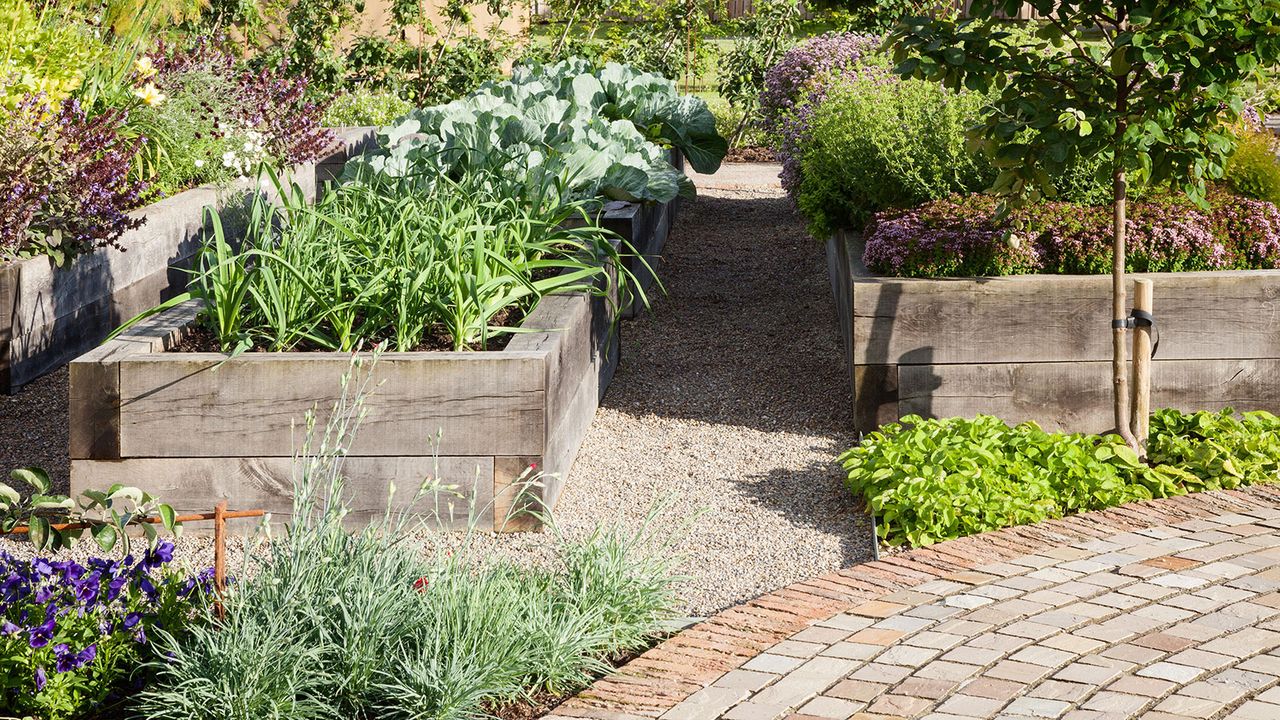
If your soil is reading a few degrees below your target, there are several practical ways to accelerate warming without waiting passively for spring to do all the work. Covering beds with black plastic mulch or clear plastic sheeting can raise soil temperature by as much as 10°F (5°C) within one to two weeks. Garden fleece and row covers trap heat while still allowing moisture through. Raised beds warm significantly faster than in-ground beds because their walls are exposed to sunlight and air on multiple sides. Incorporating dark-colored compost into the topsoil also absorbs more solar radiation and contributes to warmer growing conditions.
Putting It All Together for a Bumper Harvest
The difference between a good harvest and a truly bumper harvest often comes down to a few seemingly small decisions made in early spring. Spending two minutes checking soil temperature before you plant is one of the highest-return habits you can develop as a gardener. Your seeds will germinate faster, your transplants will establish more vigorously, and your entire growing season will get off to the strong, healthy start that makes everything that follows easier. Invest in a soil thermometer, learn your crops' thresholds, and let the soil — not the calendar — tell you when it is truly time to plant.