
Florida's Historic Property Tax Proposal: Everything You Need to Know
Florida homeowners have been squeezed from every direction in recent years — surging home values, skyrocketing insurance premiums, and steadily rising local government budgets have all contributed to property tax bills that many residents describe as simply unmanageable. Now, the state legislature has responded with one of the most ambitious property tax relief proposals in Florida's history, and voters will have the final say this November.
Governor Ron DeSantis' plan, officially titled "Save Our Homes From Excessive Property Taxes," passed the Florida House of Representatives by a vote of 75–26 and cleared the Florida Senate 30–9 following a special legislative session. The measure is now headed to the November ballot, where it will require support from at least 60% of Florida voters to be written into the state constitution. Early polling strongly suggests it could get there.
What Does the Proposal Actually Do?
At its core, the plan dramatically expands Florida's existing homestead exemption — a long-standing provision that reduces the taxable value of a primary residence for permanent Florida residents. While the precise final figures were subject to negotiation during the special session (with several major provisions changed before final passage), the goal is to provide meaningful, sustained relief to homeowners who have watched their tax bills climb year after year as property values have soared across the state.
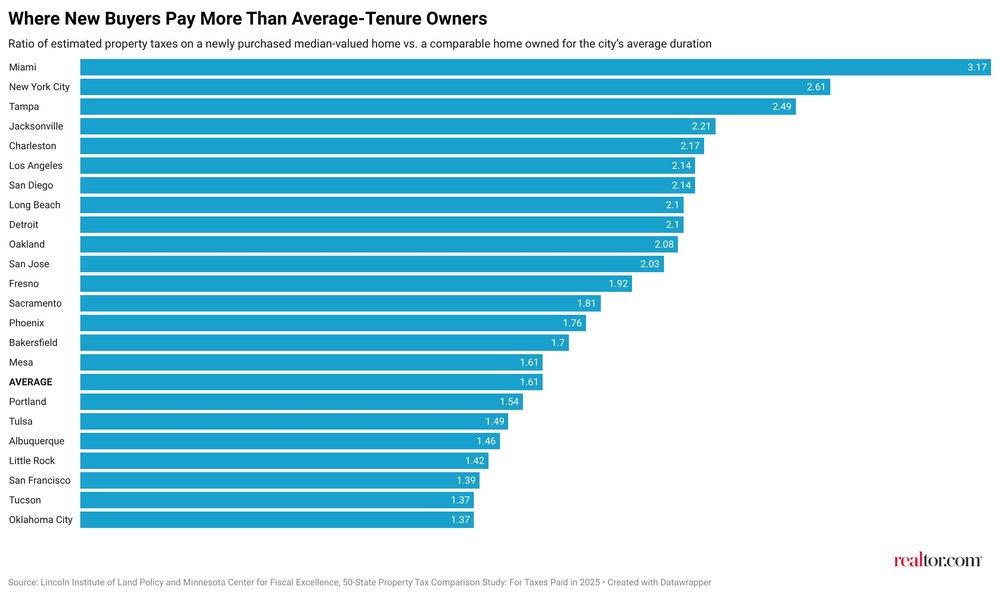
Florida already has a homestead exemption system in place, along with the well-known "Save Our Homes" cap that limits annual increases in assessed value for homesteaded properties to 3% or the rate of inflation, whichever is lower. However, critics have long argued that the existing framework doesn't go far enough, particularly for newer homeowners who purchased at peak market prices and have not yet accumulated the protection that long-term residents enjoy.
The new proposal aims to close that gap significantly, offering broader exemptions that would lower the taxable value of primary residences and, in turn, reduce annual tax obligations for qualifying homeowners statewide.
Why Florida Homeowners Are Desperate for Relief
The frustration driving this proposal is very real. Florida has seen extraordinary real estate appreciation over the past several years, with median home prices in many metro areas more than doubling since 2019. That appreciation, while great for sellers and long-term equity holders, has translated directly into higher assessed values and sharply higher tax bills for residents who simply want to stay in their homes.
The situation has become particularly acute for homeowners who have undertaken major renovations or improvements. Under Florida law, significant remodels can trigger a full reassessment of a property at current market value — wiping out years of accumulated "Save Our Homes" cap protection in a single stroke. One Florida couple shared with Realtor.com that their annual property tax bill exploded from $15,000 to a staggering $91,000 following a major remodel, a jump they described as "life-altering." Stories like theirs have become emblematic of a broader affordability crisis that stretches across the state.
Add in Florida's notoriously expensive homeowners insurance market — where rates have climbed dramatically due to hurricane risk, litigation costs, and reinsurance pressures — and it becomes clear why so many Florida residents feel financially cornered despite owning an asset that has technically risen in value.
What Do Voters Think?
Public support for the measure appears strong. An April survey found that 77% of Florida voters said they would back a constitutional amendment to increase the homestead exemption. Of those, 53% said they would definitely support it, while another 24% said they would probably support it. That level of enthusiasm suggests the 60% threshold needed for constitutional ratification is well within reach — though campaign dynamics, voter turnout, and the specific details that appear on the ballot could all influence the final outcome.
It is worth noting that constitutional amendments in Florida require careful wording and clear communication to voters. The history of Florida ballot measures includes more than a few examples of well-intentioned proposals that underperformed at the polls due to voter confusion or a well-funded opposition campaign.
The Complications and Trade-Offs Ahead
While the political appeal of a major property tax cut is undeniable, the economic consequences deserve careful attention. Property taxes in Florida fund a wide range of essential public services, including:
- K-12 public schools, which rely heavily on local property tax revenue for operational funding
- County and municipal governments that provide infrastructure, emergency services, and parks
- Special taxing districts responsible for water management, fire protection, and community development
- Public libraries, transit systems, and other community resources
A significant reduction in the taxable base for residential properties will necessarily reduce revenue flowing to these entities — unless offset by spending cuts, other tax increases, or state-level backfill funding. Local governments across Florida have already begun raising concerns about the downstream effects on their budgets, and school districts in particular may face difficult choices if the measure passes without accompanying state funding commitments.
This is the "hard part" that now confronts lawmakers, voters, and local officials alike. Passing a popular tax cut through the legislature is one thing. Ensuring that the communities that depend on property tax revenue can continue delivering essential services is a separate — and significantly more complicated — challenge.
What Florida Homeowners Should Do Now
If you are a Florida homeowner or prospective buyer, this ballot measure deserves your close attention between now and November. Here are a few practical steps to consider as the vote approaches:
- Understand your current homestead status. Confirm that your primary residence is properly homesteaded with your county property appraiser's office to ensure you qualify for any expanded exemptions if the measure passes.
- Review your current assessed value versus market value. If there is a significant gap, you are likely already benefiting from the existing Save Our Homes cap. The new proposal could add further protection on top of what you already have.
- Follow local government budget discussions. Pay attention to how your county and school district respond to the potential revenue shortfall. Budget cuts or millage rate adjustments could affect property owners in ways that partially offset individual tax savings.
- Read the ballot language carefully. When the official amendment language is finalized and published, take time to understand exactly what you are voting on, not just the broad concept.
The Bottom Line
Florida's "Save Our Homes From Excessive Property Taxes" proposal represents a genuinely significant shift in how the state approaches residential property taxation. For millions of Florida homeowners who have watched their tax bills climb to painful levels, the measure offers the prospect of meaningful, constitutionally protected relief. But it also sets up difficult budget conversations at the local level that will unfold over years, not months.
With 77% of surveyed voters already leaning in favor, the measure has a real chance of passing in November. Whether Florida can deliver broad tax relief to homeowners while protecting the services those same homeowners depend on is the defining question that will shape the conversation from now until Election Day — and well beyond it.