
Ford's Affordable Electric Pickup Truck Has Been Spotted—And It Looks Like a Game Changer
For years, truck buyers have been asking a simple question: why does every new electric pickup have to cost a fortune? Between the Ford F-150 Lightning, the Rivian R1T, and the Chevy Silverado EV, affordable electric trucks have been conspicuously absent from dealership lots. That may be about to change in a big way. Ford's rumored $30,000 electric truck has reportedly been caught testing in the wild, and early impressions suggest it could be the practical, no-nonsense EV pickup that millions of truck buyers have been patiently waiting for.
What We Know About Ford's New $30,000 Electric Truck
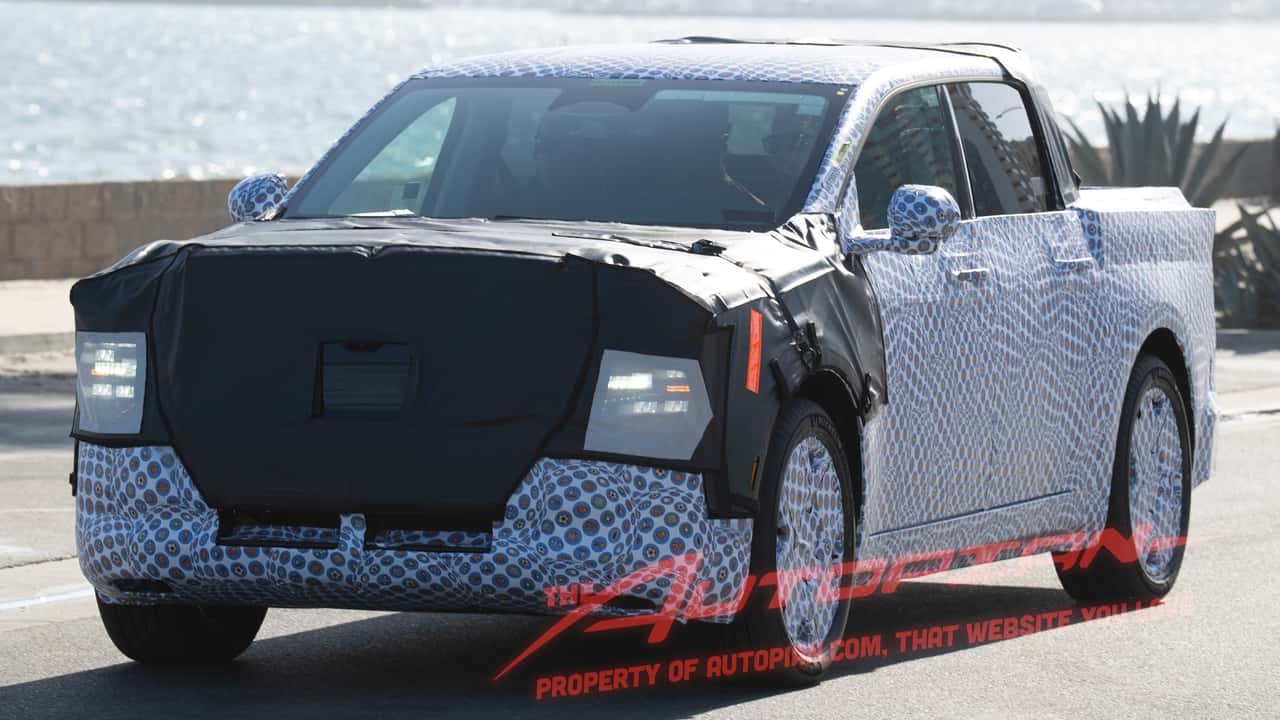
Details are still emerging, but the prototype photographs and spy shots circulating online paint an intriguing picture. The truck appears significantly more compact than the full-size F-150 Lightning, suggesting Ford is deliberately targeting a different segment of the market — one that values utility and affordability over raw power and luxury features. This isn't a truck for the weekend warrior who wants a rolling living room. This looks like a truck built for people who actually need a truck.
The $30,000 price point, if confirmed, would represent a seismic shift in the electric vehicle landscape. Currently, even the most modest electric pickup options hover well above $40,000 before options and destination charges. A legitimately affordable EV truck at the $30,000 mark would open the segment to millions of buyers who have been priced out of the electric truck market entirely.
Why a Smaller, Cheaper Electric Truck Makes Perfect Sense Right Now
Ford knows its audience. The company has decades of data on how Americans and global consumers actually use their trucks. The reality is that the vast majority of pickup truck owners don't haul massive loads every day or tow boats every weekend. Many buyers choose a truck for its versatility, its cargo bed, its elevated ride height, and the simple peace of mind that comes with owning a vehicle that can handle a tough job when needed.
A smaller electric truck actually addresses one of the biggest criticisms of EV pickups: efficiency. Larger, heavier electric trucks require enormous battery packs to achieve acceptable range, which drives up cost and weight. A more compact truck body means less energy required to move the vehicle, which means a smaller (and cheaper) battery can deliver competitive real-world range. It's basic physics working in everyone's favor for once.
The Competitive Landscape Ford Is Entering
Ford won't be alone in this space for long. Several automakers have signaled interest in the affordable compact electric truck segment, and startups have been eyeing the gap between expensive full-size EVs and the budget-conscious buyer. However, Ford has something most competitors lack: an established dealer network, decades of truck credibility, and the brand recognition that comes with building America's best-selling vehicle line for over four decades. When Ford puts a truck on the market, people pay attention.
Tesla's Cybertruck continues to polarize opinion, and its starting price remains out of reach for many buyers. Rivian has earned strong reviews but similarly targets the premium end of the market. Hyundai and Kia have hinted at smaller EV trucks, but nothing has materialized at scale for the American market. The sub-$35,000 electric truck segment is essentially wide open, and Ford appears ready to claim it.
Design Impressions From the Test Mule Sightings
Based on what has been spotted during testing, the truck carries a design language that feels practical and purposeful rather than flashy. Gone are the aggressive angular styling cues that made the Cybertruck controversial and the oversized chrome grilles that have characterized traditional truck design. What appears in its place is something more restrained — a compact, upright cab, a usable bed, and proportions that suggest this vehicle was engineered to fit in a parking garage and a city street as comfortably as a job site.
The smaller footprint isn't just an aesthetic choice. It's a deliberate decision that makes the truck more maneuverable in urban environments, easier to park, and more approachable for buyers who might have been hesitant to transition from a crossover or sedan to a full-size pickup. Ford may be looking to expand the truck category itself, not just compete within it.
What the $30,000 Price Tag Really Means for EV Adoption
Pricing an electric truck at $30,000 doesn't just make financial sense for consumers — it changes the entire conversation around EV adoption. One of the most persistent barriers to electric vehicle uptake has been upfront cost. Federal tax credits have helped at the margins, but a genuinely affordable base price removes the psychological hurdle that keeps many buyers in the internal combustion camp.
If Ford can deliver a capable, reliable electric truck at $30,000, it forces every other automaker to respond. That kind of competitive pressure is ultimately what accelerates the broader EV transition faster than any government incentive program could alone.
What to Watch For Next
Ford has not yet made an official announcement confirming the truck's specifications, range, or exact pricing. The test sightings suggest a production timeline that could see the vehicle reach dealerships within the next couple of years, though supply chain realities and battery costs will ultimately determine whether the $30,000 target holds.
Truck enthusiasts and EV advocates alike should keep a close eye on Ford's upcoming announcements. If this compact electric pickup delivers on its early promise, it won't just be another truck — it will be the truck that finally made electric pickups accessible to everyone.