
What Does "Luxury Real Estate" Really Mean in 2025?
For decades, the million-dollar price tag served as the unofficial entry point into the luxury real estate market. Cross that threshold, and you were in elite territory. But in 2025, that benchmark no longer tells the full story. A new report from the Realtor.com economic research team is reframing the entire conversation — and the results are as eye-opening as they are surprising.
Inspired by a viral YouTube and TikTok trend that uses tiered ranking systems to evaluate everything from rap artists to NFL quarterbacks, Realtor.com senior economist Anthony Smith applied that same structured logic to premium housing. The result: a definitive breakdown called The 7 Levels of Luxury Real Estate — a framework that reveals just how relative, and how regional, luxury truly is.
Why the Million-Dollar Milestone No Longer Cuts It
Here is the uncomfortable truth for anyone who has been using $1 million as a mental shortcut: that number means very different things depending on where you are in the country. In Pittsburgh, Pennsylvania, a seven-figure budget can land you a sprawling, high-end estate with all the bells and whistles you would expect from a luxury listing. In coastal California, however, that same budget might barely cover a modest two-bedroom home in a mid-tier neighborhood.
This is the core insight driving the Realtor.com framework. Luxury is not an absolute value — it is a relative one, shaped entirely by local market conditions, inventory, buyer expectations, and demand. A $1 million home in the Deep South might sit on acres of manicured land with a guest house and a pool. A $1 million home in one of California's priciest ZIP codes might not even have a garage.
The real estate market has matured, prices have climbed in major metros, and the definition of premium housing has evolved accordingly. The 7-level system acknowledges this complexity rather than flattening it into a single, outdated price point.
Breaking Down the 7 Levels of Luxury Real Estate
The Realtor.com framework organizes luxury properties into seven distinct tiers, ranging from the attainable high end all the way up to properties that exist in a category most people will only ever see in a magazine. Each level reflects not just price, but also the type of buyer, the amenities expected, and the geographic markets where that tier is most commonly found.
Level 1 — Entry-Level Luxury
This is where the luxury market begins for most buyers. These are homes that offer noticeably upscale finishes and desirable locations compared to standard housing, but they remain within reach for high-earning professionals. In affordable U.S. markets, this tier can start as low as the upper hundreds of thousands of dollars, while in competitive coastal cities it edges closer to the $1 million to $2 million range.
Level 2 — Mainstream Luxury
These properties represent the sweet spot of the luxury market — well-appointed homes with premium materials, smart home technology, and sought-after neighborhoods. They attract established professionals, dual-income households, and move-up buyers who are no longer willing to compromise on quality.
Level 3 — Upper-Tier Luxury
At this level, homes begin to distinguish themselves with standout architectural features, expansive square footage, and high-end amenities like home theaters, wine cellars, and resort-style pools. These are properties built to impress and designed to be noticed.
Level 4 — True Luxury
This is where the market thins considerably. True luxury homes are custom-built, often situated on premium lots with commanding views, and finished with bespoke details you simply cannot replicate at lower price points. Buyers at this level expect concierge-level service from their real estate agents and complete privacy.
Level 5 — Ultra-Luxury
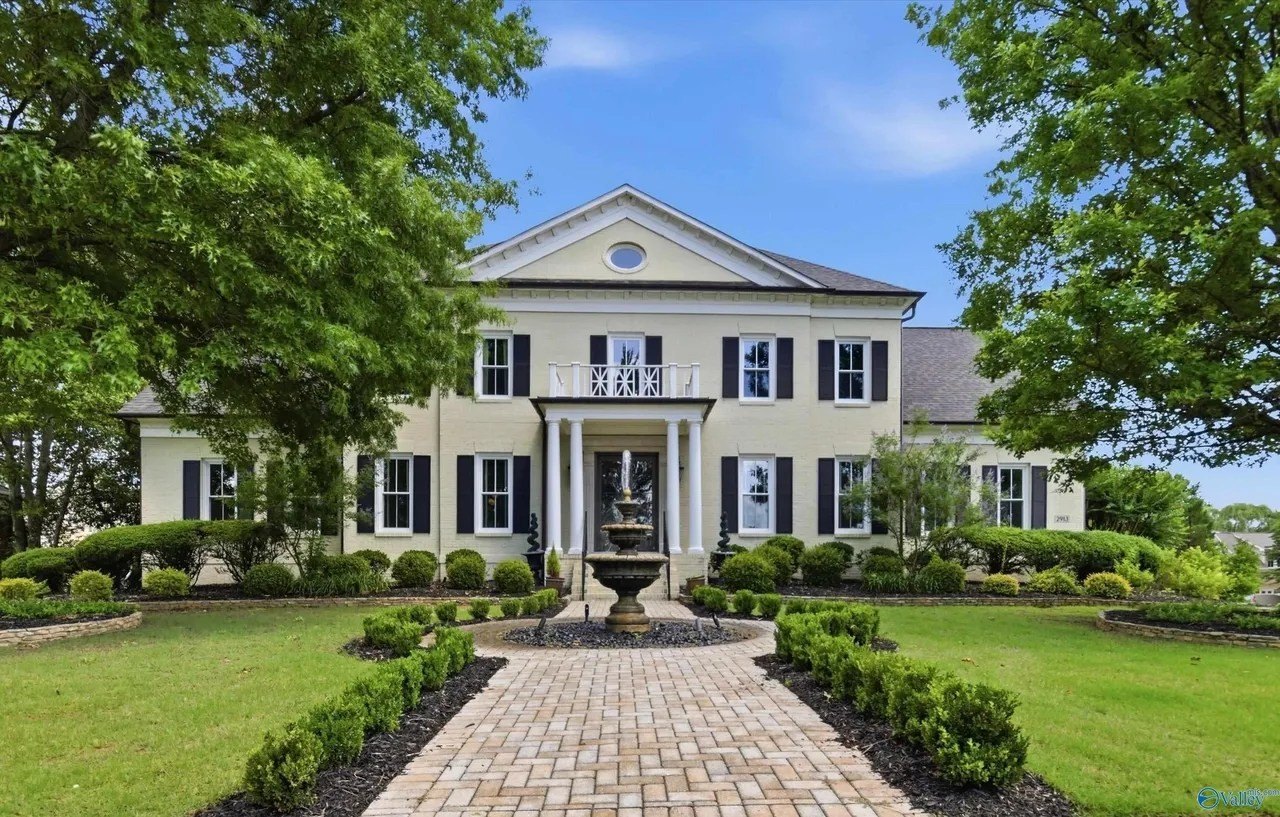
Ultra-luxury properties command national attention. Think stately estates in the American South, sprawling ranches in Colorado, or waterfront compounds on the Florida coast. These homes are generational assets as much as they are residences, often purchased as much for their investment value as for their livability.
Level 6 — Trophy Properties
Trophy properties are rare, iconic, and often irreplaceable. They may sit on historically significant land, offer unmatched oceanfront or mountain access, or feature architectural pedigrees that make them conversation pieces on a global scale. Buyers in this tier are not just purchasing a home — they are acquiring a statement.
Level 7 — The Ultra-Exclusive Tier
At the very top of the pyramid sit properties so exclusive that they are rarely publicly listed at all. These are the oceanfront compounds in California's most expensive ZIP codes, the private islands, and the compounds that change hands quietly between billionaires. Price, at this level, is almost beside the point.
What This Means for Buyers and Sellers
Understanding which tier a property belongs to — and which tier a buyer is actually shopping in — can dramatically change the strategy on both sides of a transaction. For sellers, correctly positioning a home within the right luxury tier ensures it reaches the right audience and commands the right price. For buyers, the framework provides a clearer mental map for what their budget can realistically achieve, and in which markets.
The broader takeaway from Realtor.com's research is that the luxury real estate market is more nuanced, more regional, and more dynamic than any single price point could ever capture. Whether you are eyeing a stately Southern estate or dreaming of a California oceanfront compound, knowing which level you are actually in — and what it costs to move up — is the first step toward making a smarter, better-informed real estate decision.
The Bottom Line
Luxury real estate in 2025 is defined not by a number but by context. The Realtor.com 7 Levels of Luxury framework offers buyers, sellers, and real estate professionals a more honest and useful lens through which to evaluate the premium housing market. As home values continue to rise and the gap between markets widens, tools like this will only become more essential for navigating one of the most complex and rewarding sectors in real estate.