
A Romance Scammer Left One Woman $850,000 in Debt — And She's Far From Alone
In early 2023, Anola Johnson had every reason to feel hopeful about the future. She had just returned from a trip to Paris, held a job she loved, maintained close relationships with her two adult sons, and was surrounded by a supportive circle of friends. Financially, she was in strong shape: she had approximately $300,000 saved in retirement accounts, and her home north of Salt Lake City was only two years away from being fully paid off.
Then a single "hello" message on LinkedIn changed everything.
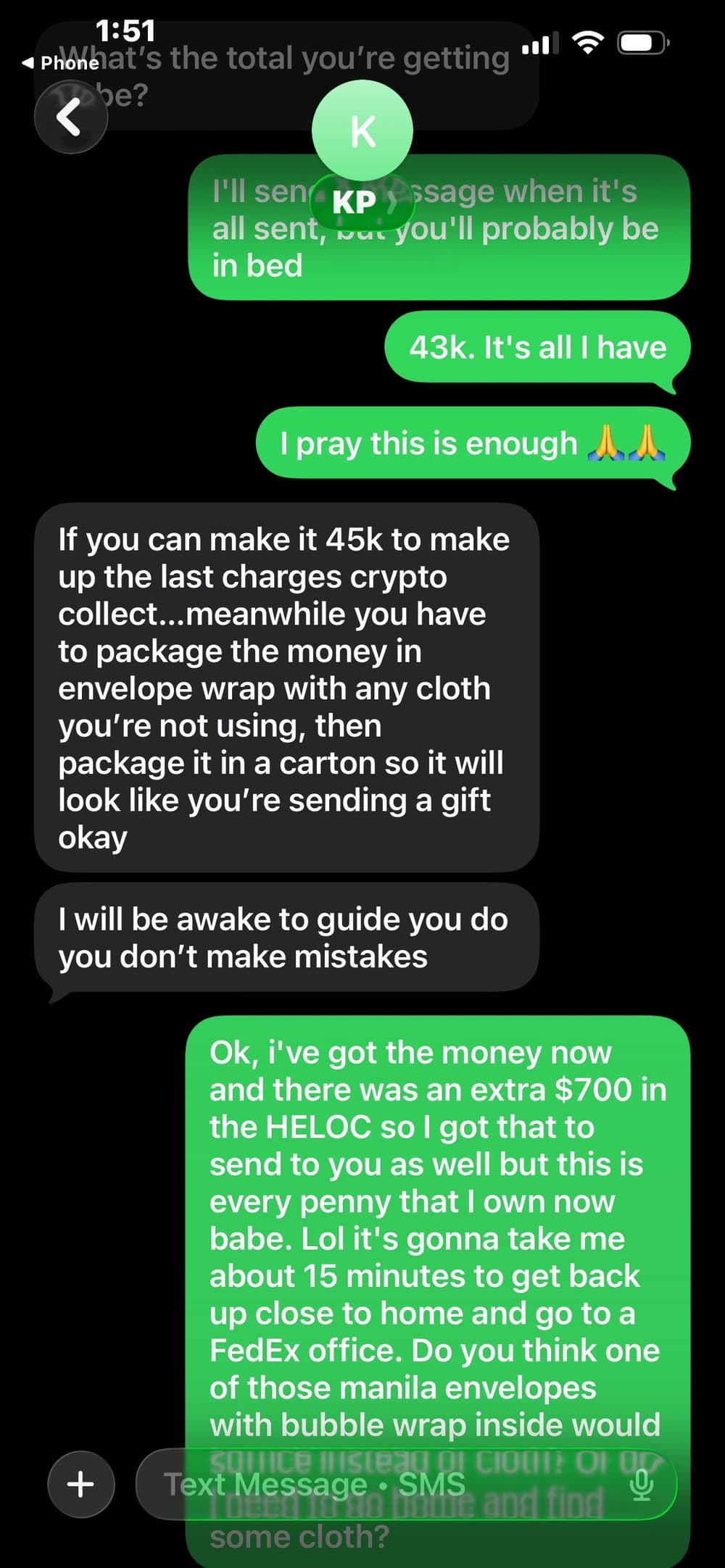
The sender called himself "Pedro" — a well-dressed, bespectacled oil rig engineer in his mid-to-late 50s with a warm, trustworthy smile. What started as an innocent exchange on a professional networking platform quickly spiraled into one of the most devastating financial and emotional experiences of Johnson's life. By the time the scheme collapsed, she was left nearly $850,000 in debt, her home equity stripped away, and her retirement savings gone.
Johnson's story is not an isolated tragedy. It is part of a rapidly accelerating national crisis that is costing Americans billions of dollars every year — and homeowners are among the most targeted victims.
The Alarming Rise of Romance and Investment Scams
Romance scams — particularly those that blend emotional manipulation with fraudulent investment schemes — are growing at a staggering pace. According to the Federal Trade Commission, these scams now steal at least $2.1 billion annually from unsuspecting victims, representing an eightfold increase since 2020. And experts widely agree that official figures dramatically undercount the true scale of the problem, because shame and embarrassment lead the vast majority of victims to never report what happened to them.
A particularly dangerous variant of these scams is colloquially known as "pig butchering," a term derived from the practice of fattening a pig before slaughter. In these schemes, fraudsters invest significant time — sometimes weeks or months — building genuine-feeling emotional connections with their targets before introducing the investment component. By the time the financial trap is sprung, victims are deeply emotionally invested and often willing to liquidate savings, take out loans, or tap into home equity to fund what they believe is a shared financial future.
Why Homeowners Are Prime Targets
Homeowners represent an especially attractive target for romance scammers for one simple reason: home equity. Many homeowners — particularly those who have owned their properties for a decade or more — are sitting on significant untapped wealth in the form of built-up equity. To a fraudster, that equity represents accessible cash that can be unlocked through home equity loans, home equity lines of credit (HELOCs), or cash-out refinancing.
Scammers know that convincing a victim to wire $50,000 in savings may trigger immediate suspicion, but framing the request as a lucrative, time-sensitive investment opportunity — one that a caring, romantic partner is "sharing exclusively" with the victim — can lower those defenses considerably. When the money runs out, scammers coach victims on how to borrow against their homes to keep the scheme going.
The result is financially catastrophic. Victims do not simply lose liquid savings. They lose the equity they have spent years or decades building, and they often emerge from these scams owing more on their homes than those properties are worth.
How These Scams Typically Unfold
Understanding the playbook these fraudsters use is one of the most powerful tools for self-protection. While every scheme has its own details, the general pattern tends to follow predictable stages:
- The initial contact: Scammers reach out through social media platforms, dating apps, LinkedIn, WhatsApp, or even via text messages sent to wrong numbers. The first contact is usually casual, low-pressure, and designed to feel completely accidental or organic.
- Building the relationship: Over days, weeks, or even months, the scammer invests enormous effort in building trust and emotional intimacy. They may claim to be a successful professional working abroad — an engineer on an oil rig, a doctor with Doctors Without Borders, or a military officer deployed overseas. These cover stories conveniently explain why they cannot meet in person.
- The investment pitch: Once emotional trust is established, the scammer introduces a supposedly exclusive investment opportunity — often a cryptocurrency trading platform or a foreign exchange scheme. Early, small "investments" appear to generate impressive returns, further building the victim's confidence.
- The escalation: Victims are encouraged to invest larger and larger sums. When their liquid assets run out, scammers suggest tapping retirement accounts, taking out personal loans, or borrowing against home equity.
- The collapse: When the victim finally attempts to withdraw their "profits," they are told they must pay additional fees, taxes, or penalties. Eventually, the scammer disappears entirely — along with every dollar the victim invested.
Red Flags Every Homeowner Should Know
Romance and investment scams succeed because they are sophisticated, patient, and deeply personal. But there are warning signs that, once recognized, can stop a scheme before it causes irreparable damage.
- Someone you have never met in person expresses strong romantic feelings unusually quickly.
- The person claims to be working or living abroad and is never able to video chat or meet in person, always citing emergencies or technical problems.
- They introduce investment opportunities that promise high, consistent, risk-free returns.
- They direct you to a specific trading platform or app that is not listed on any recognized financial regulatory database.
- They encourage you to keep the relationship or the investment secret from family and friends.
- Any request — direct or indirect — to borrow against your home or liquidate retirement savings should be treated as an immediate red flag.
What To Do If You Suspect a Scam
If something feels wrong, trust that instinct. Victims of romance scams frequently report that they had doubts at some point but were talked out of their suspicions by the scammer, or felt too embarrassed to tell anyone. Speaking openly with a trusted friend, family member, or financial advisor before making any significant financial move — especially one involving home equity — can be lifesaving.
Suspected romance or investment scams can be reported to the Federal Trade Commission at ReportFraud.ftc.gov, to the FBI's Internet Crime Complaint Center at IC3.gov, and to your state's attorney general office. Acting quickly matters: while recovering lost money is extremely difficult, early reporting can help authorities track criminal networks and potentially protect other victims.
Protecting Your Home Equity From Fraud
For homeowners specifically, the best protection is a firm personal policy: never make decisions about home equity, refinancing, or major loans under romantic or emotional pressure, on an accelerated timeline, or at the suggestion of someone you have not met in person and vetted thoroughly. Legitimate investment opportunities do not disappear if you take a week to consult a financial advisor or attorney.
Anola Johnson's story is heartbreaking — but it is also a powerful warning. The equity in your home represents years of hard work and financial discipline. Protecting it means staying informed, staying skeptical, and knowing that even the most sophisticated, convincing stranger on the internet may not be who they claim to be.