
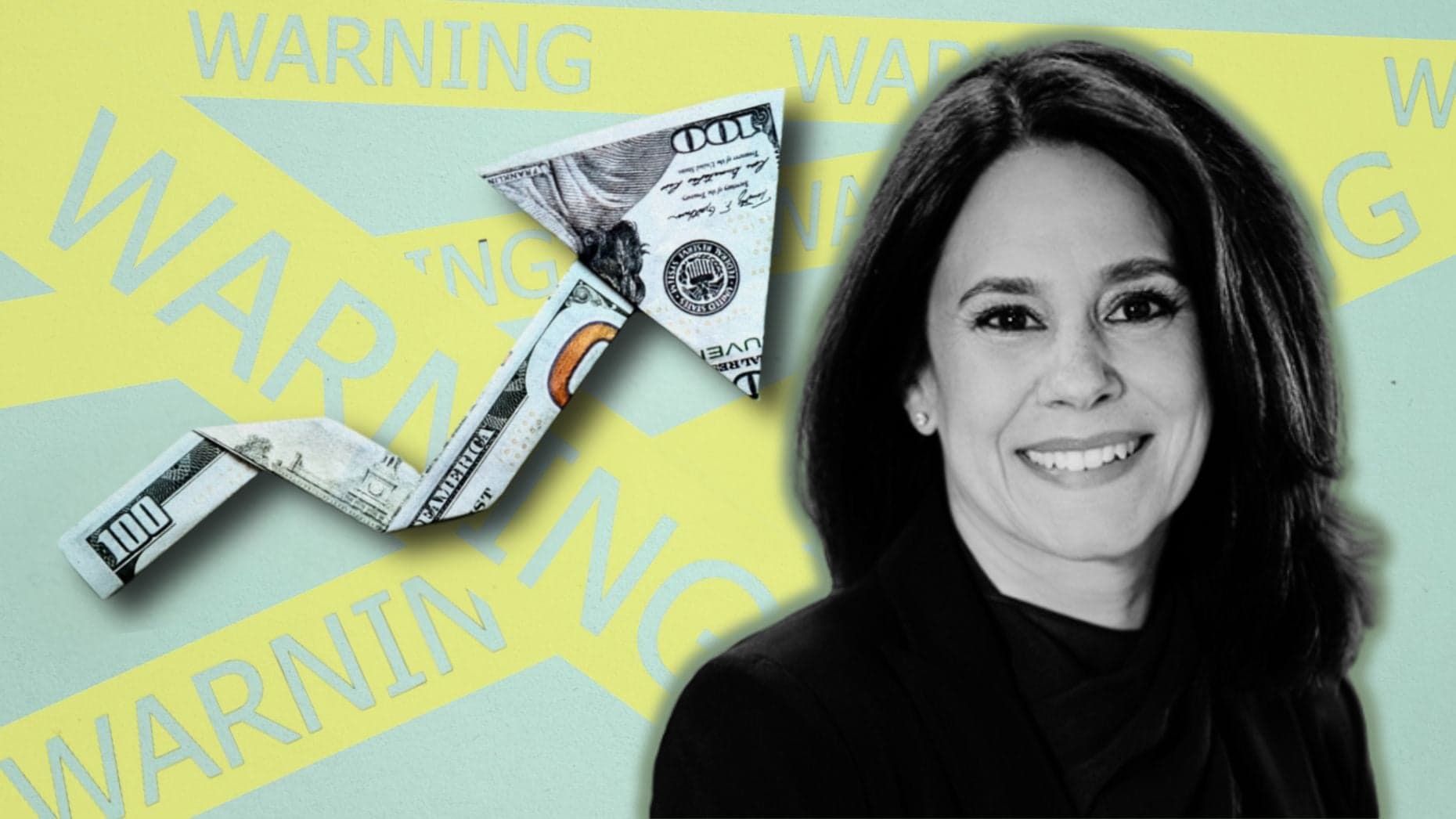
Dallas Fed President Raises the Alarm on Inflation
The Federal Reserve has spent the better part of the past two years trying to bring inflation under control, and for a while it seemed like the battle was being won. But a fresh warning from a top Fed official — paired with a surprisingly strong jobs report — suggests the fight may not be over. The president of the Federal Reserve Bank of Dallas has openly stated that an interest rate hike could be necessary before the year is out, a signal that is turning heads on Wall Street and among everyday borrowers who were hoping for relief.
This development marks a significant shift in tone from a central bank that had been widely expected to begin cutting rates in 2025. Instead, investors and economists are now grappling with the possibility that monetary policy could tighten further — a scenario that carries serious implications for mortgages, credit cards, business loans, and the broader economy.
What the Dallas Fed President Actually Said
The Dallas Fed president's comments were direct and unambiguous: inflation remains a concern, and the Federal Reserve must remain open to raising the federal funds rate if price pressures do not continue to ease. Rather than signaling confidence that the last mile of the inflation battle has been won, the remarks emphasized vigilance and a data-driven willingness to act.
This is notable for several reasons. Fed officials have been careful in recent months not to spook markets with hawkish language. A clear warning about potential rate hikes represents a harder edge than the market had been pricing in, and it reflects the reality that inflation — while lower than its pandemic-era peaks — has proven stubbornly resistant to fully returning to the Fed's 2% target.
The Dallas Fed president is a voting member of the Federal Open Market Committee (FOMC), the body that sets interest rate policy for the United States. That means these warnings are not just commentary — they carry real weight in the room where rate decisions are made.
How the Jobs Report Is Complicating the Picture
Adding fuel to the fire is the latest monthly jobs report, which came in stronger than many analysts expected. A resilient labor market is generally good news for workers and the economy, but it creates a complicated situation for the Federal Reserve. Here is why:
- Strong employment keeps consumer spending elevated. When people have jobs and feel financially secure, they spend more. That demand can push prices higher, making it harder to bring inflation down.
- Wage growth remains a pressure point. Higher wages are good for workers, but if they outpace productivity growth, businesses may pass those costs on to consumers in the form of higher prices — a dynamic known as a wage-price spiral.
- A robust labor market reduces urgency to cut rates. One of the primary reasons the Fed would cut rates is to stimulate a slowing economy and protect jobs. When employment is strong, that rationale weakens, giving officials more room — and more reason — to keep rates elevated or even raise them.
Together, these factors create what economists call a "no landing" or "hard landing" risk scenario: an economy that refuses to slow down enough to allow inflation to cool, ultimately forcing the Fed into more aggressive action.
What a Rate Hike Would Mean for Americans
If the Federal Reserve does follow through with a rate hike in 2025, the effects would ripple across the economy quickly and broadly. The federal funds rate — the benchmark interest rate set by the Fed — influences virtually every form of borrowing in the United States.
Mortgages and Housing
The housing market has already been under considerable strain from elevated mortgage rates. A further rate hike would likely push the average 30-year fixed mortgage rate even higher, pricing more potential buyers out of the market and keeping existing homeowners locked into lower-rate mortgages they are reluctant to trade in.
Credit Cards and Consumer Debt
Most credit card interest rates are variable and tied closely to the federal funds rate. Higher rates mean higher minimum payments and more money going toward interest rather than paying down principal. For the millions of Americans carrying credit card balances, even a quarter-point increase translates into real financial strain.
Business Investment and Small Businesses
Companies that rely on borrowing to finance expansion, hire new staff, or manage cash flow would face higher borrowing costs. Small businesses, which often operate on tighter margins, are particularly vulnerable to rising interest rates and could be forced to scale back plans or cut costs elsewhere.
The Bigger Picture: Fed Credibility and Inflation Expectations
Beyond the immediate economic impact, the Dallas Fed president's warning speaks to something larger: the Federal Reserve's commitment to its credibility. One of the most powerful tools the Fed possesses is the public's belief that it will do whatever is necessary to keep inflation in check. If that belief erodes, inflation expectations can become self-fulfilling — consumers and businesses start pricing in higher inflation, and higher inflation follows.
By keeping rate hikes firmly on the table, Fed officials are sending a message that they will not declare victory prematurely. Whether or not a hike actually materializes, the signal itself is a deliberate part of the central bank's strategy.
What to Watch in the Months Ahead
The path forward for Federal Reserve policy will hinge on a series of upcoming data releases. Markets and policymakers alike will be closely watching monthly inflation reports, including the Consumer Price Index and the Fed's preferred measure, the Personal Consumption Expenditures index. Additional jobs reports will also be scrutinized for signs of either cooling or continued strength in the labor market.
The next FOMC meeting will be a flashpoint, with investors parsing every word of the official statement and the Fed chair's press conference for clues about the direction of rates. If inflation data remains elevated and the labor market stays strong, the case for a rate hike will only grow louder — and the Dallas Fed president's warning will look less like an outlier and more like a preview of what is to come.
For now, Americans would be wise to prepare for the possibility that the era of rate cuts they were hoping for may be further off than expected — or may need to wait until the inflation battle is truly, definitively won.