
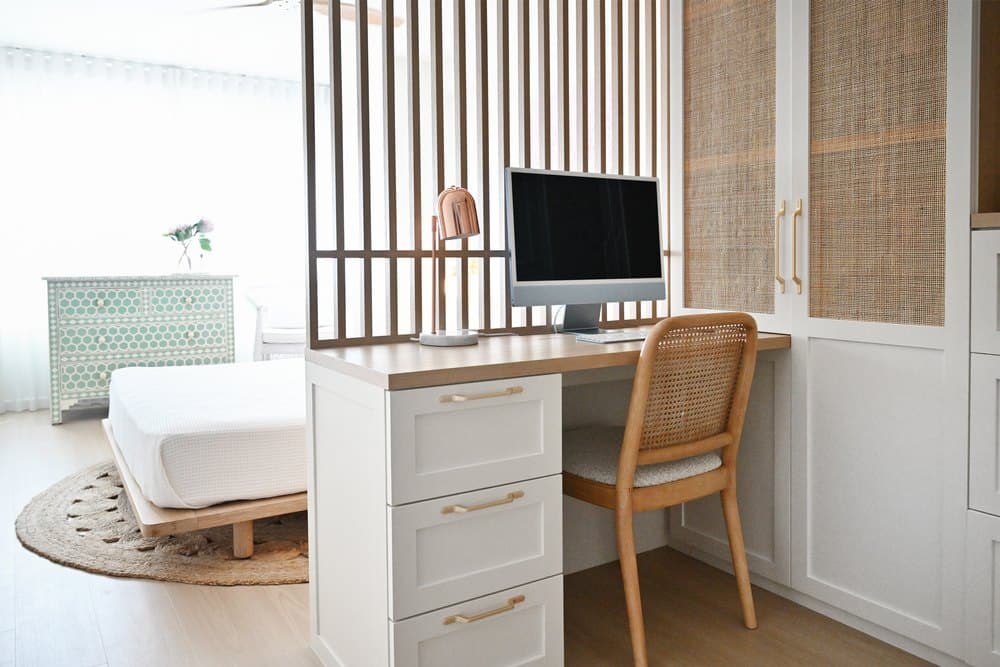
The Remote Work Dream: Not Quite What It Seemed
When the pandemic forced millions of Americans into their spare bedrooms and kitchen tables, working from home quickly evolved from a temporary workaround into a lifestyle aspiration. People renovated, relocated, and restructured their entire lives around the home office. The idea was simple: skip the commute, reclaim your time, and live better. But new research is challenging that narrative in a significant way—and if you're a homeowner, the implications could affect both your wellbeing and your property's value.
A landmark study published in the prestigious journal Science has found that remote work is closely associated with increased feelings of isolation, mental distress, and even clinical depression. Crucially, this effect was observed even among workers who reported a preference for working from home. The researchers note that "workers may not realize the costs of remote work for their well-being, which may take time to accumulate." In other words, the damage can be slow, subtle, and easy to overlook—until it isn't.
Return-to-Office Mandates Are Reshaping the Conversation
This isn't just an abstract wellness debate. Return-to-office (RTO) mandates from major employers are accelerating across the country, and they are fundamentally changing how Americans think about where they live, how they work, and what they need from their homes. The flexible, sprawling lifestyle that remote work enabled is being re-evaluated—by employers, by researchers, and now increasingly by workers themselves.
For homeowners, this shift raises a practical and potentially profitable question: if you no longer need that dedicated home office, what should you do with the space? And more broadly, is now the time to rethink your entire living situation with the commute back on the table?
How Remote Work Changed the Housing Market
To understand where things are heading, it helps to look back at how dramatically remote work reshaped American real estate in the first place. A 2020 Realtor.com® survey found that half of remote-working respondents were using a dedicated home office, while the other half made do with a kitchen table or couch. More strikingly, 63 percent of respondents said they planned to purchase a new home specifically because of their ability to work remotely.
That wave of demand drove millions of people out of dense urban centers and into suburbs, exurbs, and smaller cities where they could afford more space. Home prices in these areas surged. The home office became a must-have feature, frequently cited in listings and valued accordingly by buyers. Entire neighborhoods were transformed as remote workers sought square footage, quiet, and a functional workspace at home.
The Hidden Mental Health Cost of Working From Home
Despite the appeal, the long-term psychological toll of remote work has become increasingly difficult to ignore. Social isolation is one of the most significant factors. When your commute disappears, so does a surprising amount of spontaneous human connection—the hallway conversations, the shared lunch breaks, the casual collaboration that forms the backbone of workplace community.
Research consistently shows that social connection is one of the most powerful drivers of mental health and life satisfaction. Remote workers, even those who live with others, often report feeling disconnected from colleagues and professionally adrift. The blurring of boundaries between work life and home life compounds the problem, making it difficult to mentally "leave" the office even when the workday is technically over.
The Science study adds important weight to this growing body of evidence. It suggests that the preference for remote work and the actual wellbeing outcomes of remote work can be two very different things—and that workers are often unaware of the gap between the two until significant damage has been done.
Converting Your Home Office: What Are Your Options?
If return-to-office is on the horizon for you—whether by choice or employer mandate—now is a smart time to think about repurposing your home office. That square footage may be worth more to you in a different form, both in terms of your daily quality of life and your property's resale value. Here are some of the most popular and financially sound conversion options:
- Guest bedroom: Adding a dedicated guest room is one of the highest-return conversions you can make. It broadens your home's appeal to a wider pool of buyers and adds genuine utility for your family.
- Nursery or children's room: For growing families, converting an office into a child's bedroom is both practical and adds resale value in family-friendly markets.
- Home gym: Wellness-focused buyers are willing to pay a premium for dedicated workout space. A home gym can increase appeal without a massive renovation budget.
- Creative or hobby room: A music room, art studio, or reading library can dramatically increase your enjoyment of your home—and signal lifestyle appeal to future buyers.
- Rental income space: In some markets and zoning situations, converting space into a rentable unit or Airbnb room can generate meaningful passive income.
Should You Move Closer to the Office?
For homeowners who relocated far from their workplace during the remote work era, the return-to-office wave is prompting a more fundamental rethink. If your commute is now measured in hours rather than minutes, the calculus of suburban or rural living changes considerably. Fuel costs, wear on your vehicle, and the simple exhaustion of long daily drives can erode the financial and lifestyle benefits that originally motivated the move.
Interestingly, research also shows that shorter commutes are associated with higher life satisfaction. While the zero-commute dream of remote work sounds ideal in theory, the Science findings suggest that some level of physical separation between home and work may actually support better mental health. A moderate commute, it turns out, can serve as a valuable psychological transition between professional and personal life.
The Bottom Line: Reassess, Reconfigure, and Reap the Rewards
The pandemic-era home office served a vital purpose when it was needed most. But as return-to-office mandates reshape the American workplace, both the mental health case and the financial case for rethinking that space are growing stronger. Whether you convert your office into a guest room, move closer to work, or simply redesign your daily routine to include more in-person connection, the evidence is clear: the fully remote lifestyle comes with hidden costs that the commute, for all its inconveniences, may actually help offset.
Now is the time to take a fresh look at your home, your habits, and your happiness—and make changes that serve you better in this new chapter of work and life.