
How to Sell a House in 2026: A Complete Step-by-Step Guide
Selling your home is one of the most significant financial decisions you'll ever make. Whether you're relocating for work, downsizing after the kids leave home, or simply ready for a fresh start, navigating the real estate market in 2026 requires a smart, strategic approach. Today's market is fundamentally different from the frenzied seller's market of 2021 and 2022, and understanding those differences is the first step toward a successful sale.
The data tells a clear story: homes are now taking an average of 49 days to go under contract, compared to just 27 days during the pandemic peak. Buyers have more choices, more leverage, and more time to negotiate. That means sellers who want to move their property quickly and profitably need to be prepared, flexible, and willing to put in the work. This guide walks you through every key step of the process.
Understand the 2026 Real Estate Market
Before you list your home, it's essential to understand the landscape you're entering. In most U.S. markets, buyers currently hold the advantage. Inventory has increased significantly from pandemic-era lows, and elevated mortgage rates have cooled demand enough to give purchasers time to think, compare, and negotiate. This doesn't mean you can't get a great price for your home — it just means you need to be realistic, well-prepared, and responsive to market signals.
Study comparable sales — commonly called "comps" — in your neighborhood. Look at homes that sold in the last 60 to 90 days that are similar in size, condition, and features to yours. This research forms the foundation of your pricing strategy and will help you avoid the costly mistake of overpricing, which is one of the most common reasons homes sit on the market longer than necessary.
Choose Your Selling Method
One of the biggest advantages sellers have in 2026 is the sheer variety of ways to sell a home. There is no single right answer — the best method depends on your timeline, financial goals, and personal circumstances.
- Traditional MLS listing with a real estate agent: This remains the most common approach and typically yields the highest sale price. A licensed agent handles marketing, showings, negotiations, and paperwork on your behalf.
- For Sale By Owner (FSBO): Selling without an agent saves on commission fees, but requires you to handle every aspect of the transaction yourself, from marketing to contract negotiation.
- Selling to a cash buyer or investor: If speed is your priority and you're willing to accept a lower offer, selling directly to a cash buyer can close a deal in as little as one to two weeks.
- iBuyer programs: Companies like Opendoor and others offer instant online offers based on algorithmic pricing. Convenient and fast, but typically priced below market value.
- Selling as-is: If your home needs significant repairs and you don't want to invest in renovations, listing as-is attracts investors and buyers specifically looking for fixer-uppers.
- Private or off-market listing: Some sellers prefer to keep the sale quiet, marketing only to a curated network of buyers before going public on the MLS.
Weigh the pros and cons of each approach carefully. Many homeowners find that working with an experienced local agent remains the most effective path, particularly in a competitive environment where professional marketing and negotiation skills make a measurable difference.
Price Your Home Competitively
Pricing is arguably the most critical decision you'll make in the entire selling process. In a buyer's market, an overpriced home will sit unsold while similar properties move. Even a modest reduction later can stigmatize a listing, making buyers wonder what's wrong with the property.
Work with your agent to analyze recent comps and consider the unique features of your home — an updated kitchen, a larger yard, or a finished basement can justify a premium. However, wishful thinking about your home's value is one of the fastest ways to derail a sale. Price with the market, not against it.
Prepare and Stage Your Home
First impressions matter enormously in real estate, and in 2026 that first impression increasingly happens online. The majority of buyers begin their search on platforms like Zillow, Redfin, and Realtor.com, meaning your listing photos and virtual tour are often the deciding factor in whether someone schedules a showing at all.
Start with a thorough deep clean and declutter every room. Remove personal photographs, excess furniture, and anything that makes spaces feel smaller or more personalized than they need to be. Buyers need to envision themselves living in your home, and that's harder to do when it still feels like yours.
Consider hiring a professional stager, especially for vacant homes. Studies consistently show that staged homes sell faster and for more money than unstaged ones. At a minimum, invest in professional photography — this single expense delivers one of the highest returns of any pre-listing investment you can make.
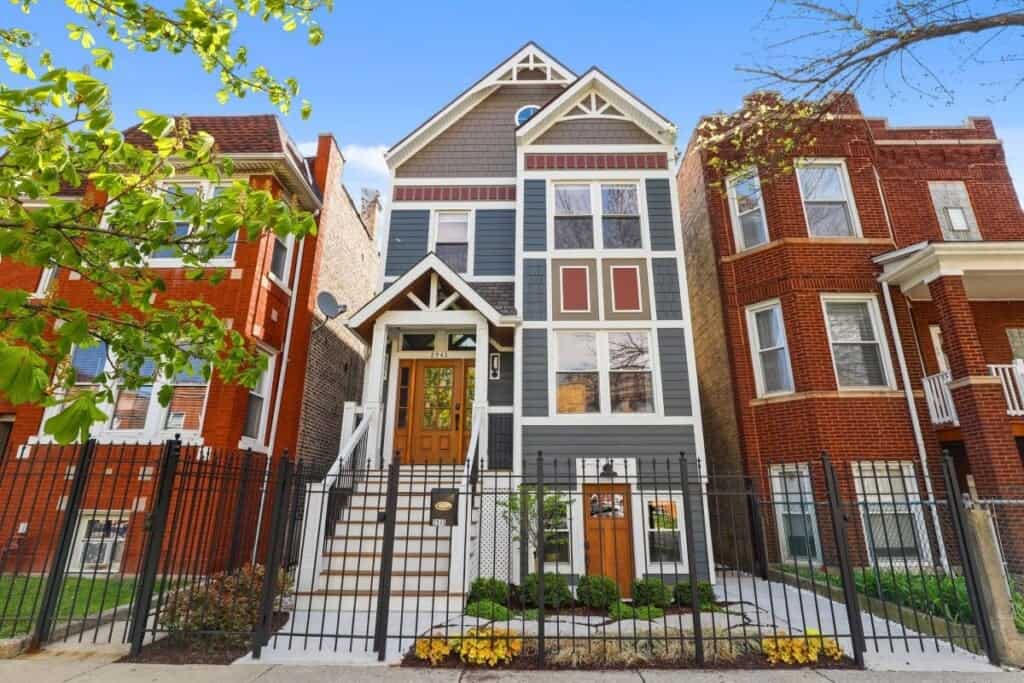
Don't overlook curb appeal. Mow the lawn, trim the hedges, repaint the front door, and power wash the driveway. The exterior is the first thing every buyer sees, and a strong visual impression from the street builds positive anticipation before they even step inside.
Market Your Home Effectively
Effective marketing in 2026 goes well beyond a yard sign and an MLS listing. A comprehensive strategy should include high-quality listing photos, a compelling property description, a virtual walkthrough or 3D tour, and active promotion across social media channels. Ask your agent how they plan to market your property and what their digital strategy looks like — a passive approach in today's market simply won't cut it.
Navigate Offers and Negotiations
When offers start arriving, resist the urge to focus exclusively on the sale price. Contingencies, financing type, closing timeline, and the buyer's earnest money deposit all play important roles in determining which offer is truly the strongest. A slightly lower all-cash offer with no contingencies may ultimately be more valuable than a higher financed offer laden with conditions.
Be prepared to negotiate. In a buyer-friendly market, requests for repairs, closing cost contributions, and price reductions after inspections are common. Decide in advance what your minimum acceptable terms are so you can respond to counteroffers quickly and confidently without making emotional decisions under pressure.
Close the Deal
Once you've accepted an offer, the closing process begins. This typically involves a home inspection, appraisal (if the buyer is using financing), title search, and final walkthrough. Stay in close communication with your agent and be responsive to any requests from the buyer's side — delays at this stage can jeopardize the entire transaction.
On closing day, you'll sign the final paperwork, transfer ownership, and receive your proceeds. With the right preparation and the right team behind you, selling your home in 2026 can be a smooth, rewarding experience — even in a market that demands more from sellers than it has in years.